
Dog owners want their dog to have a bubbly personality while also knowing how to listen to commands as needed. From pulling on the leash during walks to reacting negatively around other dogs, there are several bad behaviors that you want to help your pet overcome.
Some dogs need additional structured training support to master these skills. Learn why structured training is so important for dogs and which behaviors signal that your dog needs extra guidance.
Why Dogs Thrive on Structure
Dogs rely on structure because it creates clarity in how they understand the world around them. Predictable routines reduce uncertainty and allow the dog to anticipate what comes next throughout the day. This consistency supports emotional stability and helps the dog feel balanced in various environments.
Structure supports learning by creating a steady framework for new skills. Dogs absorb information through patterns, and consistent routines reinforce those patterns in a way that builds confidence. They’ll have increased mental clarity, so they can focus and engage during training. As the dog begins to understand how actions connect to outcomes while feeling at ease, the overall training process will be successful.
Ignoring Familiar Commands
A dog who knows a cue at home might ignore it near guests or outside the front door. The behavior frustrates owners because the dog seems stubborn. In many cases, the dog understands the word yet never learned how to respond when distractions surround them.
Reliable obedience grows through steady repetition across different spaces. A dog who only practices in quiet rooms might fail once movement or other dogs enter the picture. The gap shows up most clearly after the owner repeats the cue several times with no response.
Pulling on the Leash During Walks
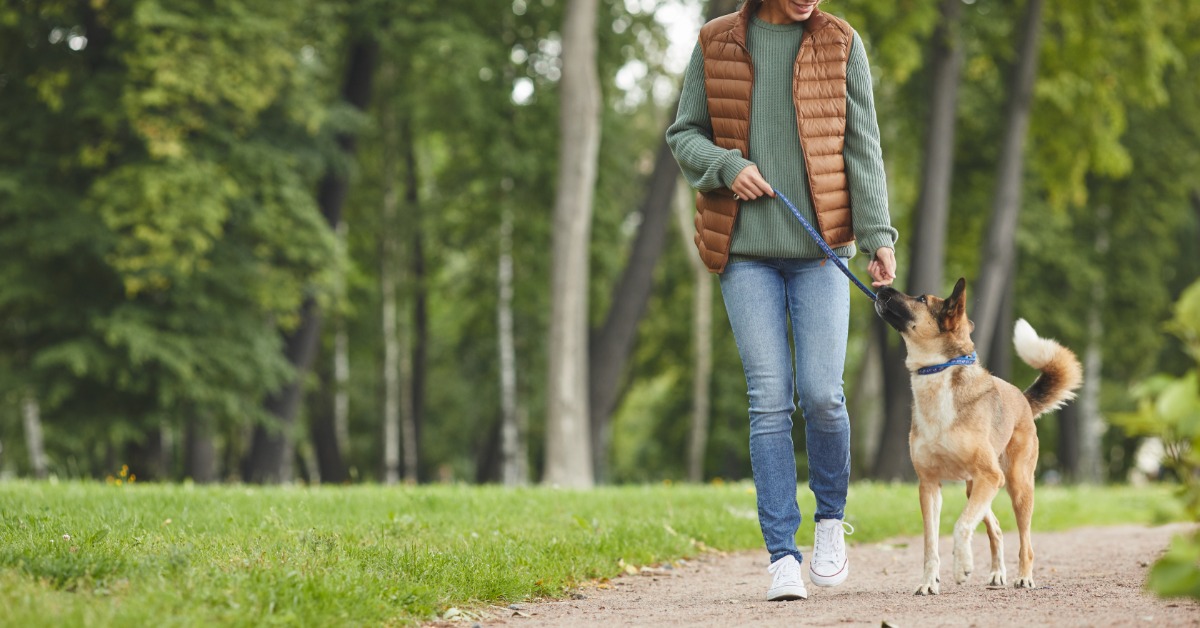
Owners head out for a walk expecting a calm routine. When they find themselves being pulled from a puppy to a flower bed to a person, the adventure becomes a nuisance.
At first, it may seem like you simply have an excited dog that wants to explore. However, pulling on the leash turns into a bad habit. The dog learns that pulling forward leads to whatever catches its interest. Over time, each step reinforces the idea that tension on the leash brings rewards.
The dog needs a structured training routine that teaches them how to move alongside the handler instead of rushing ahead. As this pattern develops, the leash stays loose more often, and the walk shifts into a steady, controlled experience rather than a constant struggle.
Jumping on People
When someone walks through the door, the dog seeks attention and connection. Jumping becomes the quickest way to get instant gratification.
One person might laugh and engage with the dog, while another might push the dog away or raise their voice. Over time, the individual’s reaction will reinforce the habit. Mixed feedback makes it tough for the dog to understand what to expect. The result is a dog who continues to greet guests by jumping.
Barking at Daily Triggers
Barking isn’t a trait that dog owners need to erase altogether. But there are times when barking can become difficult to manage. Perhaps your dog loves to bark at small animals roaming in the yard or as soon as the doorbell rings. In other cases, dogs will bark at strangers when they’re in public spaces full of new distractions.
What begins as a reaction to a passing sound or movement often turns into a repeated behavior. As this cycle continues, the trigger itself becomes a cue for barking, reinforcing the habit over time.
While some dogs bark out of excitement and others out of concern, both responses follow a similar pattern when left unaddressed. The dog learns to react immediately rather than pause and assess the situation. This automatic response becomes more ingrained through repeated exposure. It will only become increasingly difficult for the dog to shift focus without structured guidance.

Struggling To Settle Down
Some dogs seem unable to relax, pacing from room to room or constantly seeking attention from everyone in the house. Restlessness commonly points to a missing off switch. Maybe your furry friend never learned how to shift from activity into calm behavior. During busy parts of the day, they become used to following every sound and movement, keeping them in a constant heightened state.
Rest isn’t a punishment or a lack of stimulation. Instead, it gives the dog a chance to reset both mentally and physically after play or stress.
Learning to settle is a skill that develops over time with a structured routine. With consistent structure, dogs recognize that quiet moments have value, and choosing calm behavior leads to positive outcomes.
Stealing Household Items
Snatching your belongings starts small. A sock or a shoe goes missing. Although it seems like harmless mischief, these moments point to unclear boundaries in the home.
Dogs explore through trial and reward, so when grabbing an item leads to attention or a playful chase, the behavior quickly becomes a habit. Over time, the dog begins to see everyday objects as part of a game.
Without clear direction, anything within reach can turn into entertainment. This is where structure makes a difference in a dog’s behavior. A pet who understands which items are appropriate to pick up and which ones are off-limits will stop impulsive choices. With consistent guidance, the owner shapes positive habits before the act of stealing belongings takes over the household.
Reacting Toward Dogs or People
When a dog lunges or stiffens around other dogs or people, it’s overwhelming for the dog and the owner. These reactions come from an underlying emotion, like fear or frustration, signaling that the dog cannot handle the situation calmly.
Because these moments can escalate quickly, it’s important to take them seriously. Safety becomes a concern for everyone involved. With a structured approach to training, a reactive dog will learn to navigate these situations appropriately. Clear guidance and controlled exposure allow the dog to build confidence over time.
Consistent Structure Builds Good Habits
The goal of structured dog training isn’t to change a dog’s personality. Instead, it provides a framework that guides behavior and daily choices. With consistent expectations, dogs begin to understand how to respond in different situations.
This shift creates a noticeable difference for families. Daily routines becomes more relaxed when dogs know how to respond in a calm manner.
Innovative K9 Academy offers dog obedience training designed to provide pets with a structured routine designed to maintain new skills. Each program focuses on building strong obedience and addressing behavior patterns in a way that aligns with the dog’s age and individual goals. Sign up for our dog boarding program to give your pet the support they need.