
Many dog breeds aren’t what owners expect. A dog’s intelligence never guarantees easy training. In many cases, smart dogs learn the rules quickly and then decide whether those rules fit their own goals.
There are several popular dog breeds that can be difficult to train. Whether you recently adopted a dog or are thinking about bringing one of these breeds into your family, here’s what you should know about each breed’s habits.
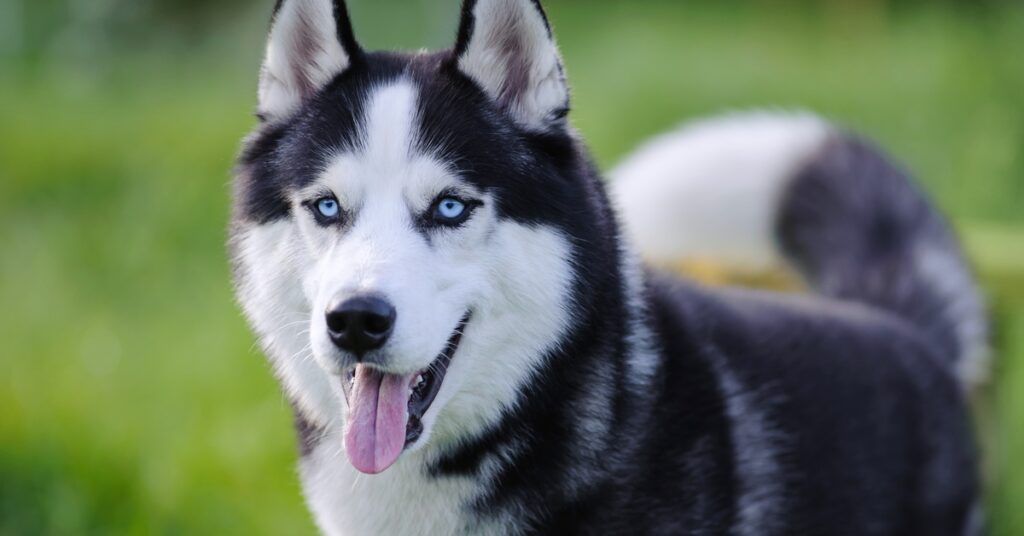
1. Siberian Husky
A Siberian husky brings athletic energy and a strong desire to move. Huskies worked in teams across long distances, so many still prefer motion over stillness. Even a repetitive routine will deplete their interest quickly.
Owners struggle because huskies enjoy exploring their surroundings. A loose door, open gate, or dropped leash invites them to take off. Recall work is an essential skill to learn early on because the breed rarely ignores adventure by accident.
Training works best with structure and variety for huskies. They respond well to short sessions built around movement and focus.
2. Beagle
A beagle enters the world ready to investigate using their sense of smell. The breed follows scent with impressive focus, so food on the counter or a trail in the yard quickly becomes the main event. Once the nose locks onto something interesting, human voices fade into the background.
Beagles frustrate owners because they exude cheerfulness and stubbornness at the same time. They aren’t trying to cause trouble; their breeding shaped them to pursue scent with persistence.
Training a beagle requires rewards strong enough to compete with the environment. Food motivation works well because the breed loves earning treats.
3. Bloodhound
A bloodhound has one of the most intense scent drives in the dog world. The breed was developed to track over distance, so the nose doesn’t act like a casual curiosity. It operates like the dog’s main source of information.
A bloodhound might seem slow around the house and powerful outside. Once the dog catches a scent, it might drag an owner toward it with surprising strength. Training must address impulse control before the dog grows into its full size.
Patience shapes progress with bloodhounds. Lessons work best when they connect to the dog’s instincts instead of fighting them. Tracking games, calm leash work, and focused rewards create cooperation through the dog’s natural strengths.
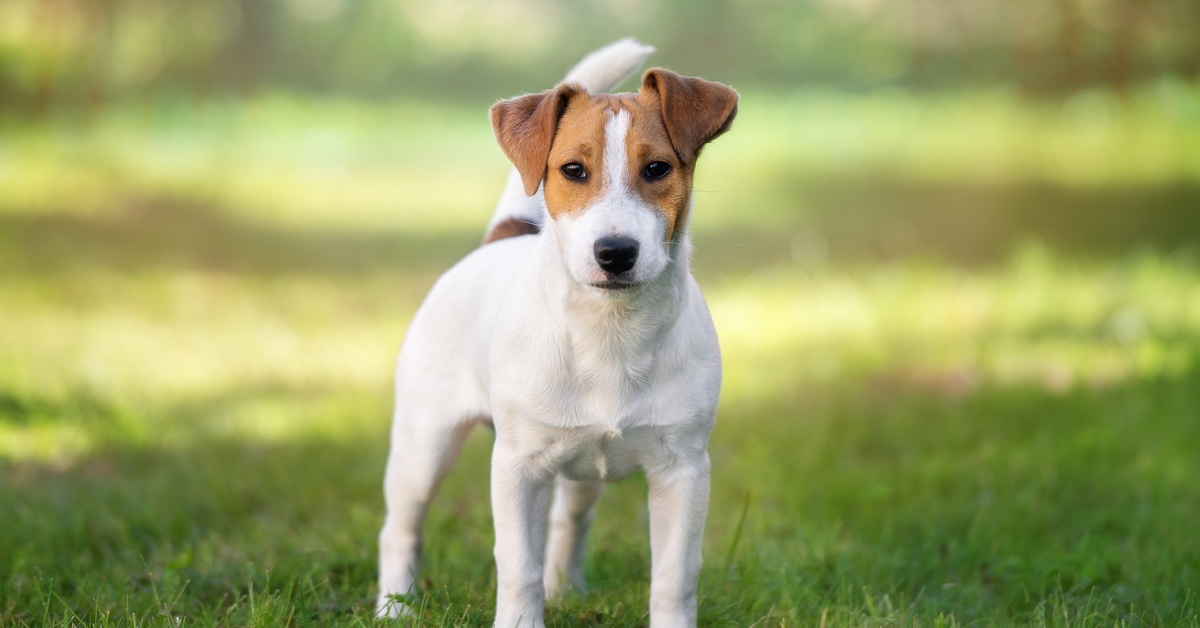
4. Jack Russell Terrier
A Jack Russell terrier packs a working dog’s drive into a small body. The breed hunted with speed and intensity, so boredom quickly turns into barking or digging. Owners sometimes underestimate the challenge because of the dog’s small size.
Early training makes a major difference in a Jack Russell terrier’s ability to learn. A young terrier understands habits quickly and repeats the behaviors that earn people’s attention. Before jumping, chasing, and demand barking take over the household, structured puppy training classes support good manners.
The best training plan gives a terrier a job. Quick obedience drills, controlled play, and clear household boundaries prevent the dog from inventing its own entertainment.
5. Bullmastiff
A bullmastiff presents a different kind of challenge. The breed carries size, strength, and a natural guarding instinct. Many bullmastiffs have calm personalities, yet their physical power means poor manners become serious quickly.
Owners struggle once the dog realizes its own power. Pulling on leash or leaning into people might begin as puppy behavior. Over time, those same habits become hard to manage in public or around guests.
Training should emphasize respect and calm control. A bullmastiff benefits from steady leadership rather than frantic handling. The dog must learn to respond before excitement rises because physical strength leaves little room for sloppy timing.
6. Great Pyrenees
The Great Pyrenees breed guarded livestock and made decisions at a distance from people. This history explains why many owners describe these dogs as thoughtful rather than eager to please. The dog typically considers a command before deciding how much urgency the moment deserves.
Independence frustrates families who expect instant obedience. A Great Pyrenees might understand the cue perfectly and choose to patrol the yard anyway. The behavior comes from instinct rather than defiance alone.
Training should focus on trust and consistent routines. Heavy repetition without purpose leads to a bored guardian who tunes out. Clear boundaries around barking, roaming, and door manners help the breed live comfortably in a family setting.
7. Chow Chow
A Chow Chow is commonly reserved and self-possessed. The breed doesn’t always seek approval from strangers or respond warmly to pressure. As a result, some owners find training difficult because the dog values personal space and predictable handling.
Socialization deserves careful attention with a Chow Chow. Limited early exposure might lead to suspicion around guests or other dogs. The goal isn’t to turn the dog into a social butterfly. The goal is a calm dog who accepts guidance in normal life.
Training should be steady and fair. A Chow Chow shuts down when owners push too hard or act emotionally. Progress comes through trust, clear expectations, and calm follow-through during daily routines.
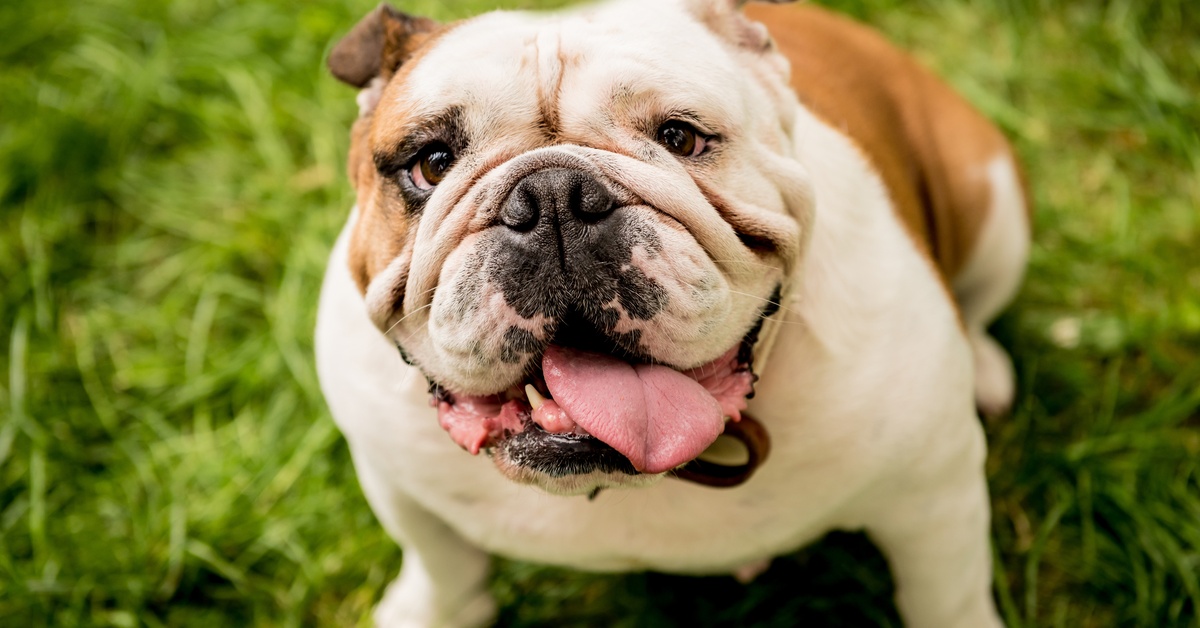
8. English Bulldog
An English bulldog brings charm and determination into the same room. Many bulldogs enjoy people yet resist training they find repetitive or pointless. Their stubborn streak turns simple lessons into a negotiation.
Owners often notice resistance during leash walks or basic obedience. A bulldog might plant its feet and refuse to move. The behavior seems humorous at first, yet repeated refusal becomes frustrating when the dog learns delay works.
Training should stay simple and consistent. Bulldogs respond best when owners reward the exact behavior they want and avoid long sessions. Short lessons protect focus and keep the dog engaged before frustration builds on either side.
Personalized Training That Suits the Dog Breed
It’s common for families to choose dogs without fully considering how those traits will fit into their lifestyle. Researching a breed ahead of time increases the likelihood that the dog’s energy level, temperament, and needs align with the household’s expectations. A great match from the start reduces frustration and leads to successful training.
While a breed’s traits don’t excuse poor behavior, they explain why certain dogs challenge their owners. Instincts tied to a dog’s origins influence how it responds to direction, structure, and daily routines.
A one-size training plan rarely works for dogs with strong instincts or independent tendencies. Effective training begins with understanding the individual dog, including motivation, behavior patterns, and responsiveness. Adjusting methods to fit the dog establishes clear communication, builds trust, and leads to consistent results over time.
Get Dog Training Support From Innovative K9 Academy
Popular dog breeds that are difficult to train don’t mean that they’re impossible to teach. Progress occurs when training works with the dog’s tendencies instead of trying to override them completely. The goal isn’t to erase personality, but to guide natural behaviors into something manageable and appropriate for home life.
Innovative K9 Academy supports puppies and adult dogs through structured training in Utah. Our programs address obedience, socialization, leash manners, and behavior concerns. Contact our experts to discuss training options suited to your dog’s age, temperament, and behaviors.