
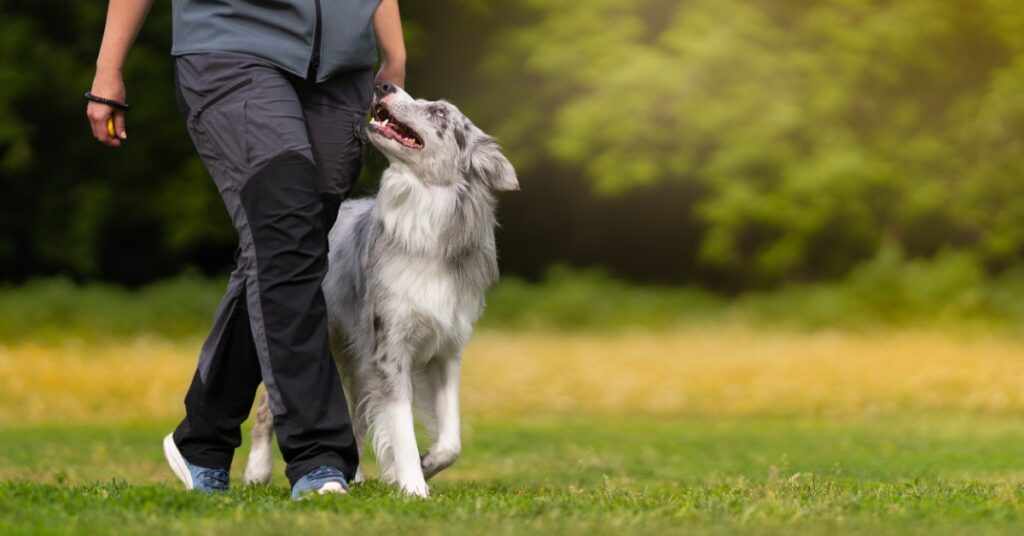
A confident dog notices people, various sounds, and other dogs while being able to act calmly. Pets who bark at visitors or lunge at another animal most likely feel uncomfortable.
Behavior training builds confidence by giving dogs clear guidance during stressful moments. Dogs learn how to respond instead of react when they’re unsure about a situation. This process helps them develop trust in their owner and environment.
Why Do Some Dogs Lack Confidence?
Fear Drives Reactive Behavior
Reactivity describes an intense response to a trigger, like another dog or an unfamiliar person. Barking or lunging gives them distance from something the dog considers threatening. Repetition strengthens the pattern because the trigger eventually moves away. From the dog’s perspective, the explosion worked.
Low confidence leaves little space between concern and action. The dog hasn’t learned a calm response connected with safety. Each outburst strengthens the old strategy. Behavior work interrupts this cycle before the reaction reaches full intensity.
Aggression Protects Vulnerable Dogs
Aggressive displays include growling and snapping. They use these actions to control proximity. Fear commonly drives those warnings even in dogs who appear bold. Subtle signals might receive no response from people nearby. Escalation then becomes the dog’s most reliable method of gaining space.
Anxiety Limits Clear Decisions
An anxious dog scans the environment long before danger appears. Constant vigilance raises arousal while reducing the ability to process cues. Small events then produce serious responses because the nervous system already carries tension. A passing bicycle might become the last pressure point after several difficult moments.
Chronic uncertainty affects behavior inside the home. Door sounds or household movement could trigger pacing or vocalization. The dog lacks a dependable response during those moments. Training supplies a predictable job during uncertainty.
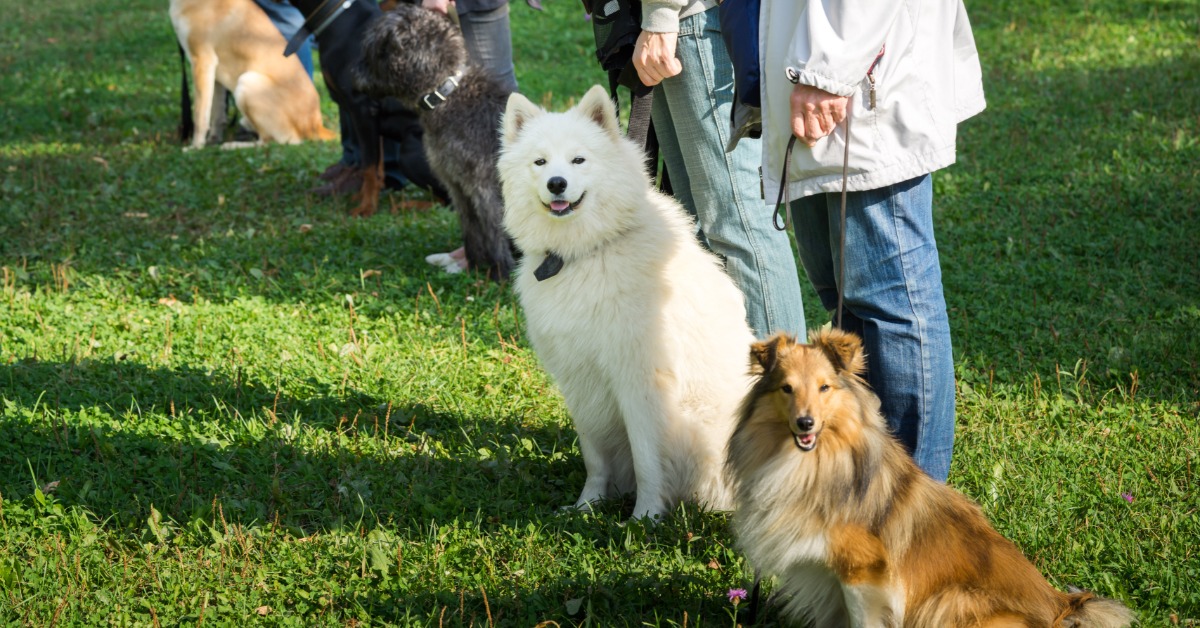
How Training Improves a Dog’s Confidence
Distance Gives Pets Room To Learn
Effective behavior work begins below the dog’s reaction threshold, which is the point where arousal becomes too high for learning to occur. When a dog remains beneath this threshold, it can notice a trigger while eating, responding to cues, and engaging mentally. However, once the dog crosses that threshold, it shifts into survival mode.
By creating distance between the dog and the trigger, trainers can reduce intensity and allow the dog to observe without reacting. For example, a trainer might position the dog across a quiet parking area from another dog, giving it the opportunity to be aware of the situation and act calmly. As the dog consistently demonstrates calm behavior, owners can decrease the distance gradually.
Predictable Cues Reduce Uncertainty
Clear obedience gives a dog a reliable answer during confusing situations, which helps reduce hesitation and stress. Commands, such as heel and place, are cues that signal an action the dog already understands. The dog no longer has to invent a response under pressure, decreasing mental strain.
Teaching begins in a quiet setting with limited distractions so the dog can focus on learning each movement. Food or toy rewards encourage engagement during this early stage. Once the dog shows consistent understanding, trainers gradually introduce moderate distractions in stages to support learning.
Timely Rewards Strengthen Calm Choices
Giving dogs a reward promptly helps them understand exactly which behavior leads to rewards. When a dog makes a calm choice, a marker word or click should occur at that precise moment to capture the decision. Following up with an immediate reward, like a treat, reinforces the connection between the action and the positive outcome.
For example, a dog might notice a person across the park and then choose to turn toward the owner. Marking that moment reinforces the decision to disengage before barking begins. As this pattern repeats, the dog seeks guidance after encountering a trigger. Over time, the presence of the trigger shifts from a source of stress into a cue that encourages reconnection and thoughtful behavior.
Controlled Exposure Changes Emotional Patterns
Controlled exposure relies on two connected methods that reshape how a dog interprets a trigger. Desensitization introduces the trigger at a level the dog can handle without reacting. Counterconditioning then pairs that exposure with a positive outcome such as food or play. Together, these techniques replace fear with a sense of safety, which allows the dog to remain engaged instead of overwhelmed.
The first step is to ensure the dog sees the trigger without feeling pressured. The trainer may position the dog at a distance where another calm dog is visible but not threatening. At that moment, the dog receives a reward for staying relaxed or choosing to engage with the handler. This pairing teaches the dog that the presence of the trigger leads to something positive rather than something to avoid.
Each successful repetition strengthens this new emotional response. As the dog begins to anticipate rewards instead of reacting defensively, confidence grows. The dog learns that it can observe the environment without losing control.
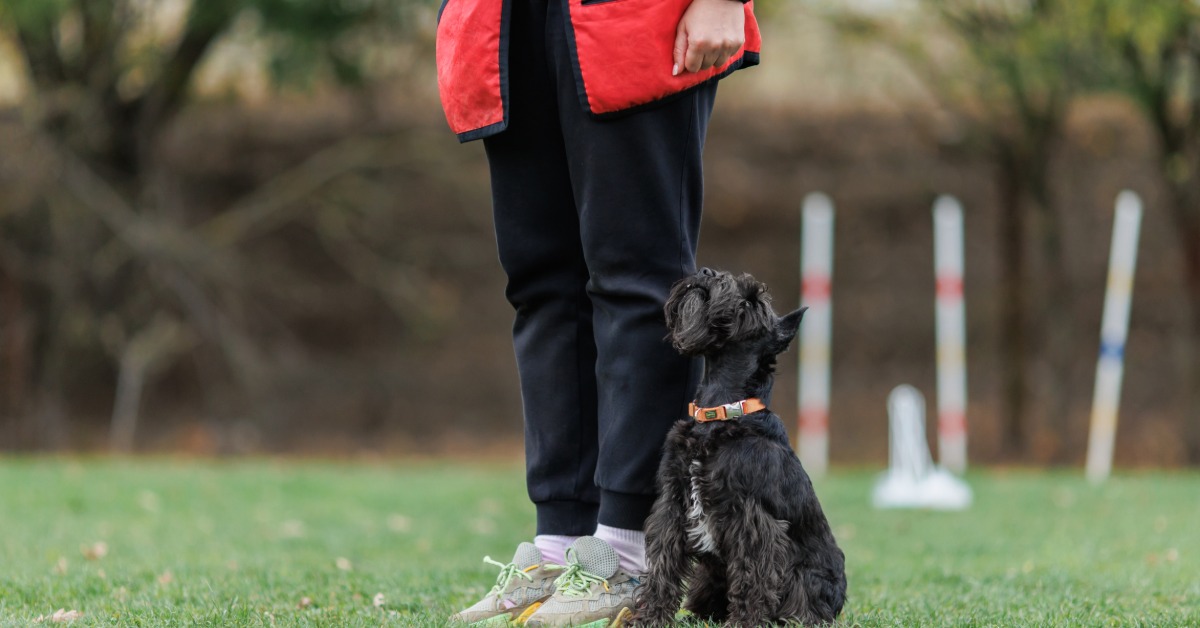
Place Work Develops Emotional Control
The place command teaches a dog to settle on a defined surface until release, and it gives the dog a clear role during moments that might otherwise feel overwhelming. Instead of pacing or reacting to every movement in the home, the dog learns to return to a familiar station. Predictability ensures the pet feels secure in situations that once triggered stress.
Place work does more than teach obedience because it directly supports emotional regulation. The dog learns that remaining in one spot leads to positive outcomes, even when something unfamiliar occurs nearby. This repeated experience builds confidence by showing the dog that they can handle stimulation without reacting impulsively.
The trainer rewards a relaxed posture on the dog bed, reinforcing both stillness and comfort in that position. The duration and distractions will gradually increases through each successful interaction. This progression helps the dog remain composed even as activity builds around them, which strengthens their ability to stay grounded during everyday scenarios.
Structured Practice Protects Progress
Structured practice gives dogs repeated opportunities to succeed in controlled situation. Each training session has a clear goal, so the dog learns what to expect rather than acting impulsively. Managing distance during walks or limiting interactions to appropriate situations prevents the dog from falling back into old habits.
In complex cases, especially those involving aggression or reactiveness, structured practice becomes even more important. A skilled trainer evaluates triggers and recovery patterns to design exercises that challenge the dog without pushing it beyond its limits. These exercises often combine obedience work with carefully planned exposure for effective reactive dog training. Over time, this structured repetition reinforces calm confidence instead of reactive behavior.
Strengthen Your Dog’s Self-Assurance With Structured Training
Progress begins with small changes. Through structured behavior training, dogs who struggle with aggression, anxiety, or reactiveness will feel confident in various environments.
Innovative K9 Academy offers behavior modification training in Utah for dogs of all ages and breeds. The program combines structured obedience with socialization and confidence-building exercises. Families will be able to support their dog’s well-being through professional support.