

Most dog owners want more than a pet who sits on command. They want a dog who checks in during a walk and relaxes around the family. They want their dog to trust them when a stranger approaches or thunder booms during a storm.
Dog training strengthens the relationship you have with your pet. With every calm interaction and learned command, your dog understands what you’re telling them. Over time, those experiences create a bond built on clarity and trust.
Training Creates a Relationship Built on Understanding
Dogs interpret language differently from people. They pay close attention to repetition and the outcomes connected with their actions. A familiar cue gains meaning because the dog has experienced the same connection many times. This process turns training into a shared form of communication between the dog and owner.
Shared language becomes useful around the home. The same clarity becomes useful during walks and visits with familiar people. A dog who understands what “place” means has a clear answer when guests arrive. A reliable recall cue creates another point of connection when the dog is exploring outside. The owner stops repeating random words while hoping the dog understands.
Confusion creates frustration when an owner expects one response, and the dog offers another. Training reduces those mismatched expectations because the dog understands which actions lead to consistent outcomes. The owner starts reading the dog with more accuracy as well.
Predictable Commands Strengthen Trust
Trust grows when interactions make sense from the dog’s perspective. A dog pays attention to patterns in the way an owner responds. With consistent expectations and steady outcomes, dogs are able to recognize the patterns.
Consider a dog who jumps on visitors because excitement takes over at the front door. Mixed responses from family members leave the dog unsure about what to do next. Do they jump and bark or sit calmly in the living room before getting pets? Structured training creates a consistent answer and makes the owner’s guidance more dependable. The dog begins to understand what happens after a cue and what response earns a positive outcome.
Predictability is especially valuable when a dog struggles with anxiety or uncertainty. Familiar cues create something recognizable during a stressful situation. The dog has a known response to return to when the environment becomes difficult. Repeated experiences with dependable guidance strengthen trust because the owner becomes a reliable source of information.
Shared Success Deepens the Connection
Many dogs become engaged when training involves food or toys they value. The reward marks a successful choice and creates a positive association with working alongside the owner. Training then becomes an interaction where attention toward the person has meaning.
A session works as a positive exchange even when mistakes happen. Dogs naturally repeat behaviors connected with worthwhile outcomes. When the owner becomes part of those rewarding experiences, engagement starts to carry into other interactions.
A young dog might care far more about a moving leaf than the person holding the leash. Training creates repeated reasons to reconnect with the owner. As those successful exchanges accumulate, paying attention to the person becomes familiar and valuable.
Focus Brings the Owner Into the Picture
A distracted dog might appear stubborn when the environment pulls its attention elsewhere. Movement and unfamiliar activity pull the dog toward information happening nearby. Dogs naturally respond to those details, especially when something causes excitement or concern.
Training builds a history of checking in with the owner during those moments. The dog starts to recognize the value of guidance even when another dog or interesting smell appears nearby. Attention shifts from being accidental to becoming part of the relationship.
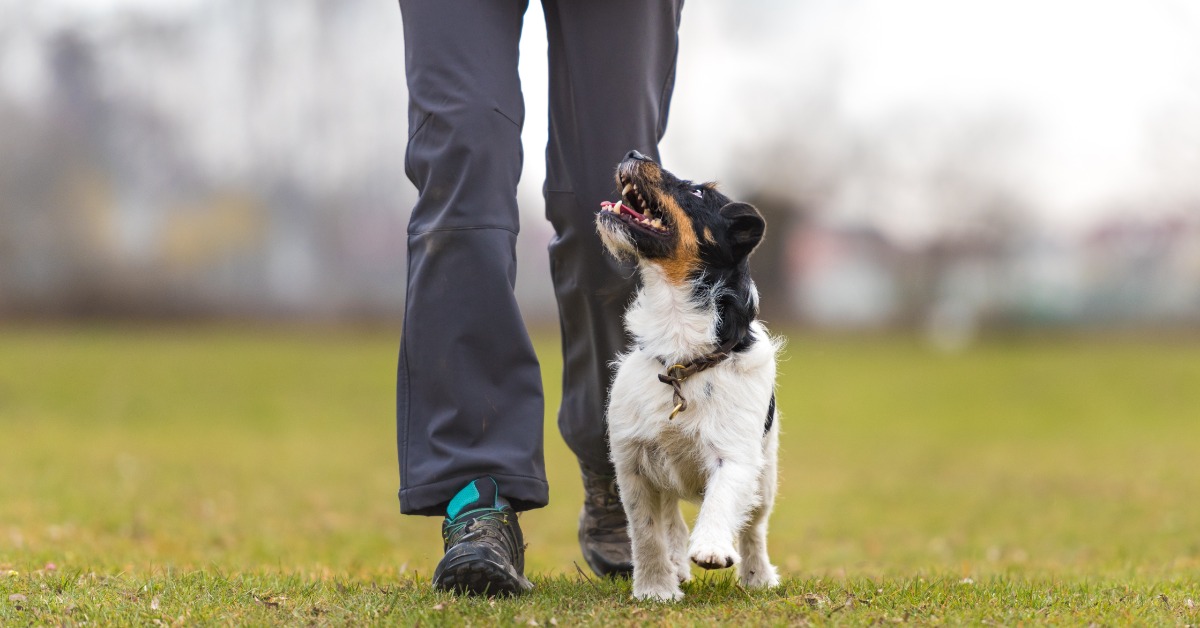
This change turns walks and public outings into a completely different experience. The owner stops feeling like a person attached to the opposite end of the leash. Additional interactions are possible because the dog pays attention to the owner despite various distractions. Those check-ins reflect a deep connection because the dog is choosing to engage with someone whose communication has become meaningful.
Reliable Guidance Establishes Security
Some dogs handle unfamiliar situations with little hesitation while others become tense very quickly. Anxiety or reactivity makes the world seem unpredictable. In those moments, a dog might bark or pull because it lacks a familiar response connected with the situation.
Training creates recognizable expectations during uncertainty. A dog who understands a cue has something familiar to do while processing what is happening nearby. Clear guidance decreases the number of decisions the dog has to make when they’re uneasy.
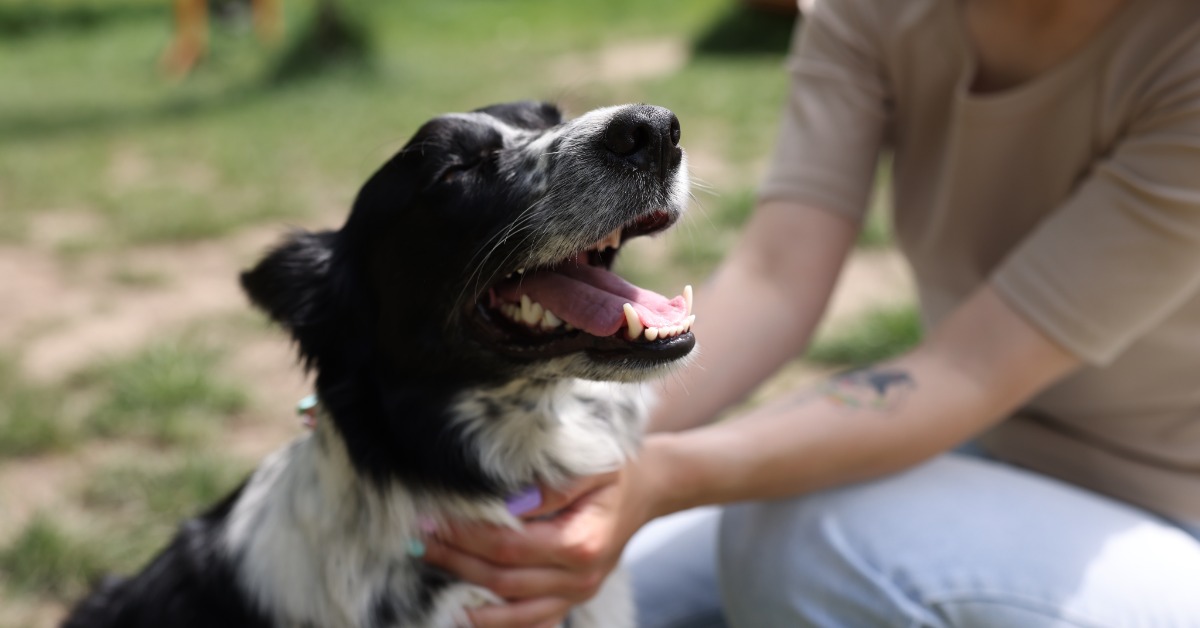
The relationship changes when the dog repeatedly experiences an owner as a dependable source of direction. A busy sidewalk or unfamiliar visitor leaves the dog with a familiar source of guidance nearby. The dog has a history of receiving useful information from the person nearby. Those experiences build confidence in both the environment and the relationship.
Progress Teaches Owners How To Read Their Dogs’ Cues
Training develops the owner’s understanding along with the dog’s skills. Repeated interactions make body language and behavioral patterns easier to recognize. An owner starts noticing when attention begins to drift or when excitement is building before a larger reaction occurs.
This awareness creates a more thoughtful relationship because the owner responds to the dog in front of them. One dog might become distracted when another animal appears. Another might hesitate around unfamiliar people, requiring extra time to process the situation. Recognizing those differences keeps the relationship centered on the individual dog.
Owners see which activities generate enthusiasm and where frustrations appear. A strong awareness stops communication from becoming a guessing game. The dog receives consistent responses, and the owner has a clear sense of what the dog wants to convey.
Start a Dog Training Program Today
A strong bond with your dog happens through shared experiences, and training helps both of you feel more comfortable in every moment together. This connection reaches beyond obedience commands. Owners gain more opportunities to include their dogs in activities without feeling overwhelmed by distractions. Dogs gain a person whose expectations are familiar and whose guidance has a history of being consistent.
If you aren’t sure about how to reach this point in your relationship with your furry friend, a professional dog trainer is a good starting point. Innovative K9 Academy works with pet owners who want to teach their dogs how to stop jumping, pulling on leashes, and more. Then, when the training program comes to an end, we’ll teach you how to reinforce these skills at home. Sign your dog up for our boot camp to strengthen the connection with your companion.