
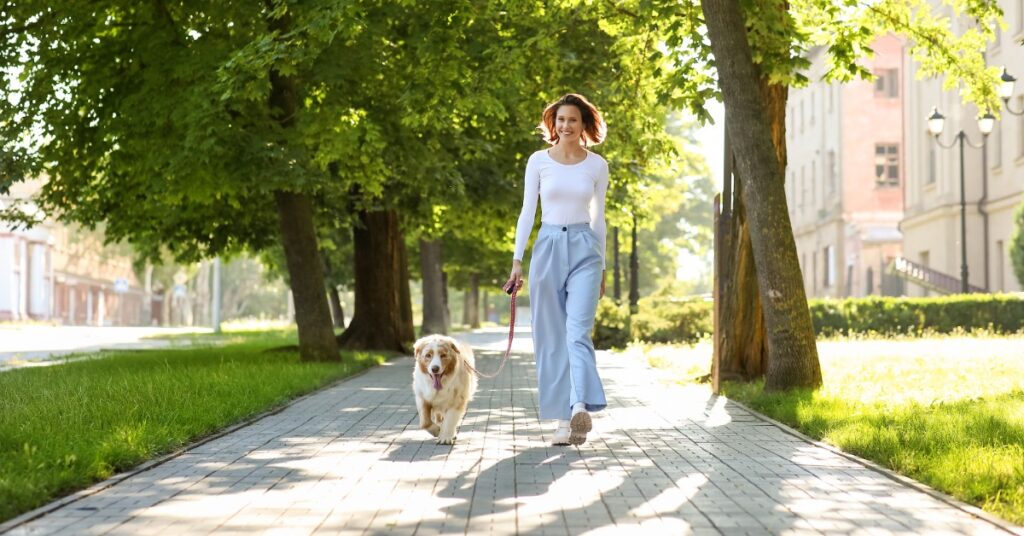
A casual stroll through the neighborhood becomes a stressful situation as soon as another dog appears across the street. Your once-calm pup starts barking and sprinting toward the animal.
Dog owners who have a reactive dog expect these behaviors, but they don’t know why they occur or how to stop them. Through structured experiences and dependable expectations, reactive dogs learn emotional control and develop calm responses in everyday situations.
Reactivity Reflects Emotional Overload
Reactive behavior is a result of a dog experiencing more emotional pressure than they know how to manage. A passing dog sometimes sparks intense excitement or concern until thoughtful behavior disappears. Barking or lunging becomes the immediate response because the dog is in a highly aroused state. Although the reaction seems sudden to the owner, the dog most likely noticed the trigger several moments earlier.
Keep in mind that not every reactive dog has the same emotional motivation. Some become frustrated because they want to approach another dog, and others react from fear. Owners sometimes see similar barking in both situations, even though the emotions behind the responses differ. Emotional control develops as dogs gain experience handling those intense moments without letting the first impulse dictate what happens next.
High Arousal Changes Everyday Responses
A dog who responds well at home sometimes seems completely different in a stimulating environment. Since the dog’s attention shifts toward numerous inputs, familiar cues become difficult to process. Even traveling along a walking route that you take every day is a challenge when a bicycle passes by.
Owners sometimes notice the emotional shift before barking begins. Their dog stops sniffing and holds the body stiff as attention narrows toward a trigger. A favorite reward suddenly loses value because the environment has become more urgent. These quieter changes explain why a reaction seems to appear from nowhere. The dog has already moved through several stages of arousal before the loudest behavior comes to life.
High arousal tends to linger after the original trigger disappears. Your pet might continue to scan the sidewalk after another dog passed by because the emotional response hasn’t settled yet. Then, the next sound or movement arrives and causes another reaction.
Recovery Shows Developing Self-Control
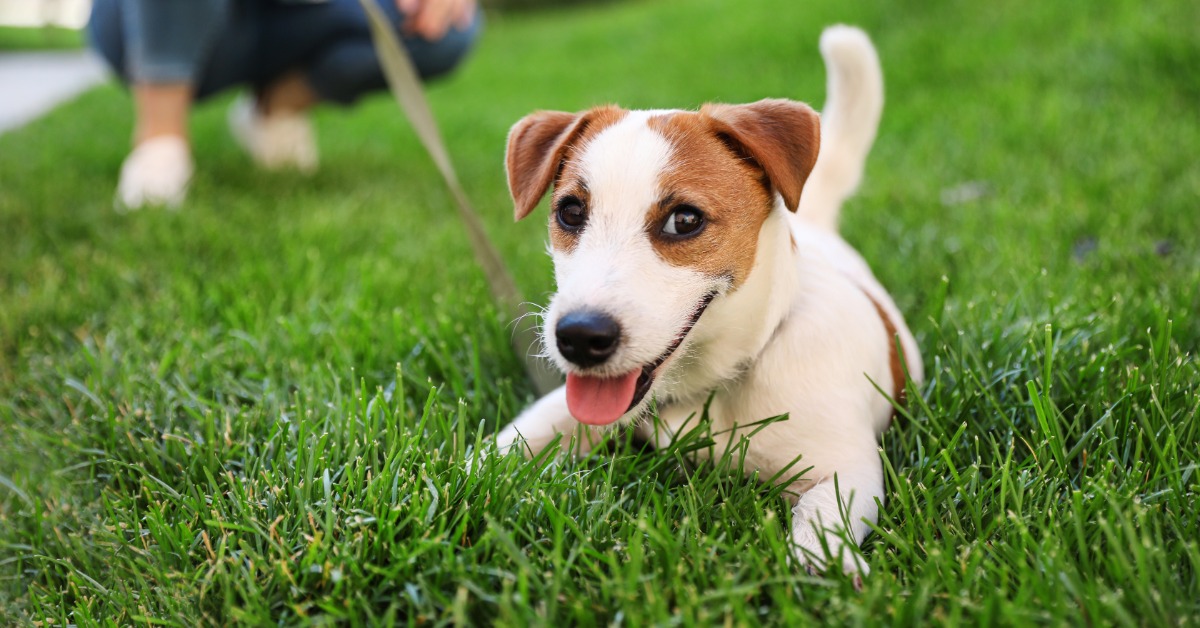
Progress doesn’t always mean a reactive dog stops noticing every trigger. Meaningful change is evident in how quickly the dog returns to a settled state after becoming alert. Perhaps the dog watches another animal and then reconnects with the handler before barking begins. In another situation, the dog reacts briefly and recovers without carrying tension through the rest of the walk.
Recovery offers useful insight into emotional regulation because it shows whether the dog moves beyond the initial reaction. Early progress seems subtle to owners who expect dramatic behavioral change. However, short reactions and quick disengagement show the dog isn’t remaining trapped in the same emotional state. Those moments reveal a growing ability to process stimulation and regain composure after something challenging occurs.
Predictability Supports Calmer Decisions
Uncertainty makes stressful situations hard for reactive dogs because they don’t know what response comes next. Consistent expectations remove some ambiguity by giving the dog a familiar pattern around distractions. A dog who understands established cues has a recognizable task when another animal or person appears. Familiarity provides direction before emotion takes complete control of the interaction.
Predictability changes the relationship between the dog and handler. The owner becomes a reliable source of guidance within a tense moment. With repeated experience, the dog begins to recognize challenging situations don’t always require an explosive response. Structure directs emotional energy toward a productive response. Over time, calm behavior is easy to access under pressure.
Controlled Challenges Change Emotional Patterns
Emotional control grows through challenging experiences without overwhelming the dog’s ability to remain engaged. Professional training environments introduce distractions at a manageable intensity so the dog notices what is happening without immediately losing control. A reactive dog encounters another dog from a manageable distance or works near ordinary public activity. The purpose isn’t to force interaction with the trigger. The distinction becomes especially useful for dogs who react differently depending on distance or the amount of movement around them. Gradual exposure reveals the dog’s threshold and how quickly composure returns after stimulation.
Repeated successful experiences gradually change what the dog expects from difficult situations. A dog who once associated another animal with immediate tension begins to recognize a familiar pattern of guidance and engagement. Those experiences don’t erase personality or awareness of the environment. They create room between noticing a trigger and reacting to it. The added space provides a different emotional pattern for the dog to rely on.
Daily Life Reveals Lasting Progress
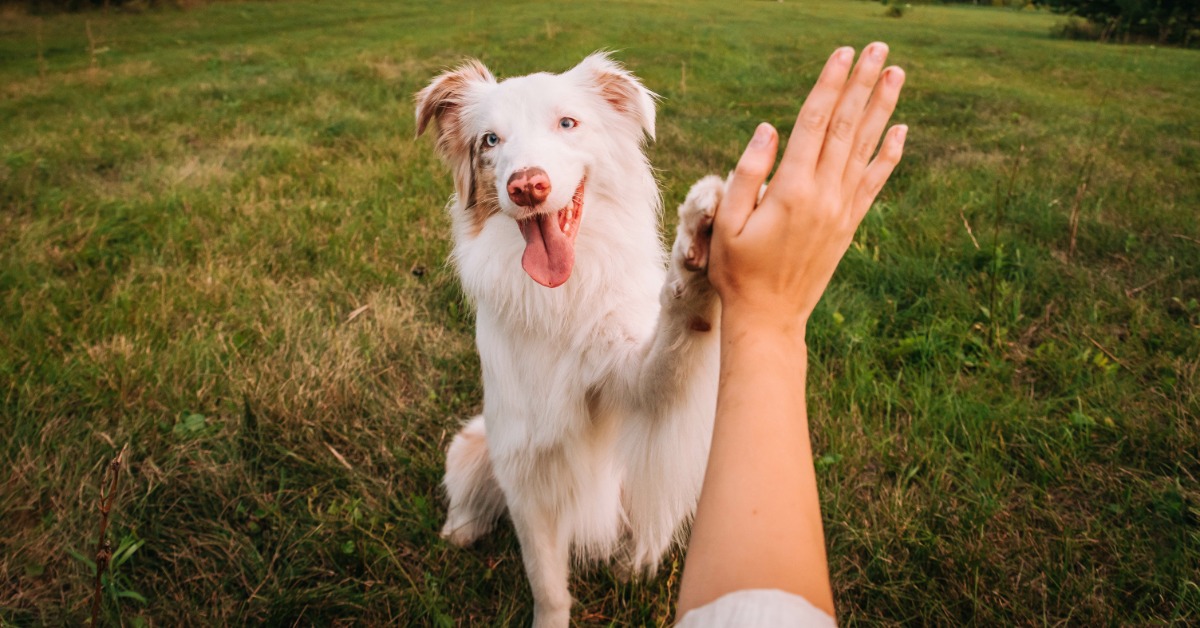
Owners usually notice emotional changes through ordinary moments across many days. A dog settles sooner after the doorbell rings or passes a familiar barking dog with less intensity. Another remains engaged near a busy sidewalk previously linked to immediate fixation. These changes show emotional control is becoming useful beyond a structured lesson.
Daily situations reveal where a dog continues to struggle. Calm behavior near one type of trigger doesn’t automatically transfer to every setting because context affects emotional responses. A dog who handles neighborhood walks well finds a crowded park far more demanding. Professional dog behavior training addresses those individual patterns through structured work tailored to the dog’s specific reactions and emotional limits.
Support a More Stable Response
Living with a reactive dog makes simple outings unpredictable. Progress becomes more meaningful when owners recognize the goal isn’t emotional numbness or a complete lack of interest in the environment. Dogs notice what happens around them and develop a steadier response. With thoughtful training and consistent expectations, reactive dogs learn emotional control.
Innovative K9 Academy offers behavior modification training for dogs dealing with reactivity and related behavioral struggles. Our program combines structured obedience with work around distractions, so dogs develop more dependable responses. With our help, everyday situations will become less overwhelming for your pet. Contact Innovative K9 Academy to discuss how behavior modification training fits your dog’s current challenges.