
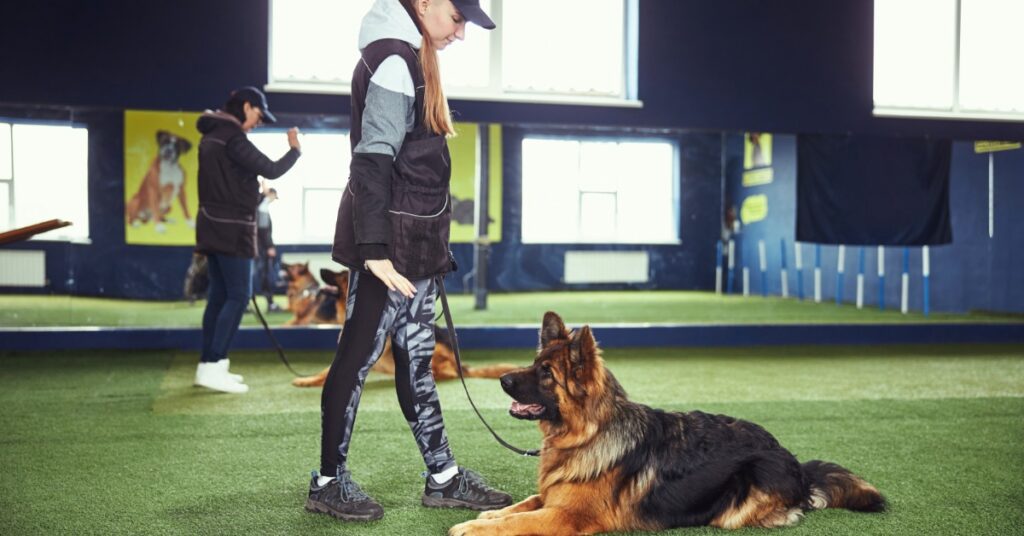
Behind the scenes, one dog training facility might rely on disconnected lessons while another follows a shared system from assessment through everyday practice. Those differences shape how clearly a dog understands each command and how reliably the behavior carries into life at home.
But what makes a professional K9 academy stand apart from others? From trainer education to individually assessing each pet, dog owners benefit from knowing how trainers teach new skills and measure progress.
Professional Standards Guide Every Lesson
Professional instruction begins with trainers who understand behavior and continue refining their skills. Formal education introduces learning theory, and hands-on practice shows how timing or pressure affects an individual dog. Continued study deepens professional judgment because even a sound method loses value through careless application.
Shared standards become especially useful when several professionals work with one dog. Every trainer should use the same command language and reinforce the same expectations. With mixed signals, dogs will struggle to learn because they receive a different answer from each person. A unified system gives pets predictable information in every session.
Owners can learn a great deal by asking how a facility educates its team. Mentorship and continuing education show whether trainers continue to evaluate and improve their work, resulting in a high-quality training environment.
Engagement Comes Before Obedience
Dogs learn more readily when training holds value from the beginning. Skilled trainers use food or toy rewards to make interaction worthwhile before asking for sustained obedience. The reward isn’t a bribe designed to replace understanding. It gives the dog a reason to watch closely and participate in the lesson.
Engagement changes the tone of training when dogs work with a purpose. Close attention lets the trainer mark a sound decision before distraction takes over. As the pattern develops, the dog begins seeking direction during moments once linked with impulsive behavior.
Trust grows through fair communication across each stage of learning. Trainers introduce manageable steps and reward successful responses before raising the difficulty. Over time, familiar outcomes teach the dog to connect listening with clarity and productive interaction.
Skills Develop Through Clear Stages
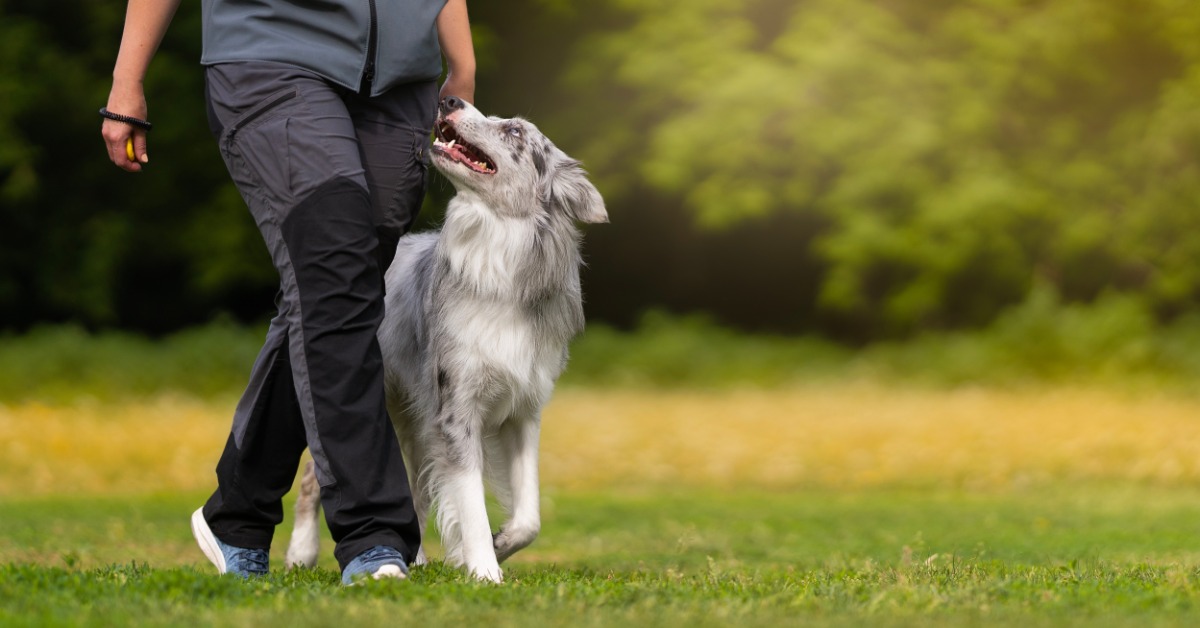
From early understanding to reliable performance, a professional academy follows a deliberate progression. Quiet sessions introduce the behavior where the dog can process each cue. Later lessons add duration and environmental pressure. The goal is to build on each skill until the dog feels confident and secure.
Trainers Teach Before Adding Accountability
Rewards and guidance shape the first version of a command. A trainer might guide movement before marking the correct response. Repetition then connects the spoken cue with a specific action and gives the dog a clear route toward success. Once the response becomes consistent, the trainer can test understanding under mild pressure.
The next stage is accountability. Once the pet demonstrates steady understanding, fair corrections will address any errors. Through feedback, like prompt rewards, dogs will be able to comprehend that the desirable behavior results in a familiar, positive response. The goal is to implement balanced instruction that makes dogs feel confident in their actions in various environments.
Training Reflects Each Dog’s Characteristics
A fixed formula overlooks the differences shaping learning. Age influences attention and physical stamina, while temperament affects the response to novelty or pressure. Previous experiences may influence how quickly trust develops during early instruction.
Professional trainers adjust the pace while preserving consistent goals. An anxious dog might begin at a greater distance from unfamiliar activity. An energetic dog might engage through purposeful movement before practicing stillness. Those adjustments don’t lower the standard because they provide a fair route toward the same expectation.
Assessment continues after the first day as trainers watch how the dog recovers from distraction. Changes in motivation across settings guide the next exercise and expose ineffective approaches. Individualized training therefore relies on evidence from the dog’s behavior. Broad assumptions tied to breed or age won’t result in behavioral improvements that dog owners seek.
Practice Extends Beyond One Setting
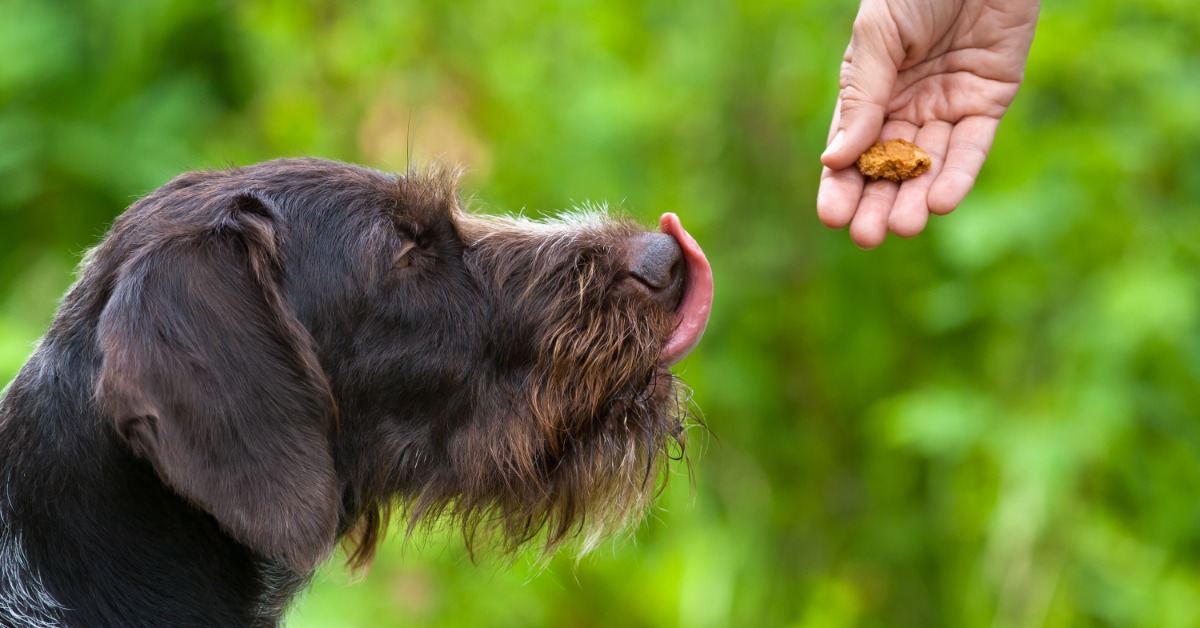
Because dogs connect learning with the practice setting, a command learned indoors may weaken on a sidewalk or crowded park. Professional programs change locations in measured stages after the basic exercise becomes clear. Through gradual variety, the dog learns each cue retains its meaning across environments.
Academies may use outdoor spaces or planned field trips to introduce distractions at a suitable level. A trainer might begin near mild foot traffic before moving toward busier activity. Controlled progression protects focus while giving obedience practical value.
Distractions Reveal Practical Understanding
Distractions expose weak points hidden in a quiet room. A dog might hold a down command indoors and rise as another dog passes nearby. The response shows where the next stage of practice belongs.
Skilled trainers manage distance and intensity so the dog remains able to think. They don’t flood the dog with activity or demand composure during overwhelming exposure. After repeated success, the trainer raises the difficulty and turns obedience into a dependable response under ordinary pressure.
Work with several qualified trainers strengthens generalization across people and settings. Familiar commands retain the same meaning beyond one person’s posture or voice. This experience supports the transition home after practice through controlled changes.
Owners Learn How To Maintain Progress
Professional training loses value when owners leave without understanding the system. Transition lessons explain each command and define expectations owners will maintain at home. Families then practice under supervision while a trainer adjusts timing or handling. This process turns the handoff into active instruction and gives owners a chance to resolve confusion before leaving.
A qualified K9 trainer explains how daily routines support the dog’s new skills. Families learn when to reward a response and how to address a known mistake. Daily practice then fits naturally into walks or household routines. Clear guidance protects consistency after formal training ends.
Continued support offers another sign of a thoughtful academy. Follow-up lessons or controlled group classes let owners ask questions after living with the training at home. Trainers address small problems before repetition turns them into familiar habits. In this way, a professional K9 academy differs through its commitment to both sides of the training relationship.
Find a Dog Training Program With Lasting Structure
Dog owners gain useful information by evaluating the complete learning process before enrolling. Innovative K9 Academy offers structured programs for puppies and adult dogs in Utah. Our balanced approach begins with engagement before introducing fair accountability after understanding develops. Dogs practice around varied distractions, while owners receive transition instruction and continued support. Contact Innovative K9 Academy to discuss a program suited to the dog’s behavior.