
Dogs hold a special place in your heart. It’s all too easy to slip into habits that blur the line between pet and child. Many owners share bites from the dinner table, invite the dog to every piece of furniture, and accidentally encourage bad behavior.
These actions come from a place of love. However, treating your dog like a person can confuse the animal. Dogs thrive when owners give clear direction, daily structure, and a lot of affection. With a few everyday adjustments, you’ll raise a well-behaved, happy companion.
Why Dogs Aren’t Human
Dogs don’t move through life the way people do. They pay attention to patterns in the home and learn from what earns them attention, food, or freedom. When owners assign human motives to normal canine behavior, they misread the dog and respond in ways that fuel the very problems they want to stop.
Dogs Interpret the World Differently
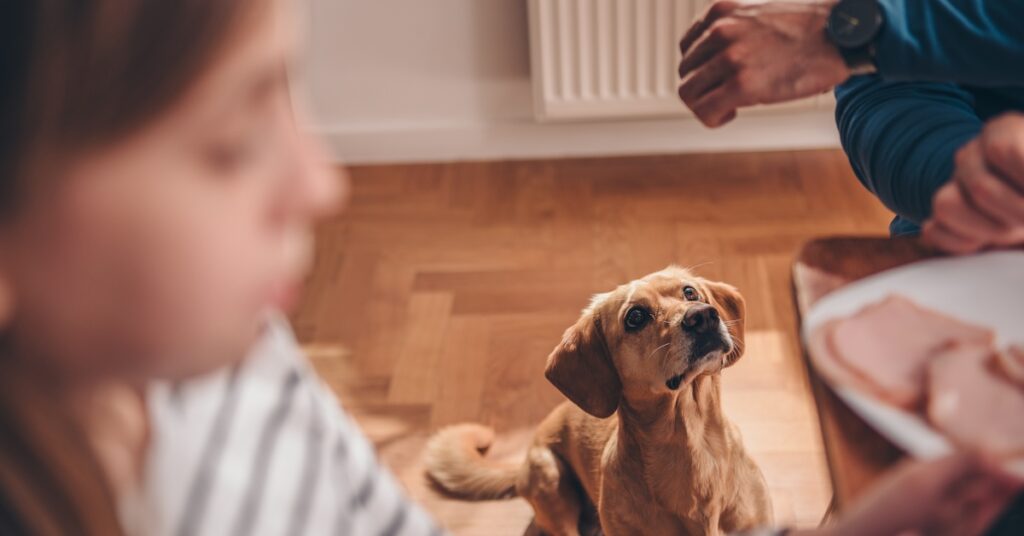
A dog doesn’t want to sit at the table and participate in the conversation. The dog sees food and studies the opportunities before them. If a certain action ended with a piece of food plopped on the ground, they’ll repeat it. From pawing to persistent staring, their pushy behavior pays off.
The same pattern shows up in other settings. A dog who drags the leash and reaches a tree, an animal, a visitor, or the front door learns that pulling works. Crying leads to getting picked up and being soothed at a moment’s notice. Dogs learn from consequences, and they repeat the actions that produce results.
Structure Shapes Behavior
Humans prefer to have some sort of structure in their day-to-day lives, but it’s not essential to thrive. Structure gives dogs clarity. The same meal times, place commands during dinner, and rules around furniture help a dog understand daily life. Repeated guidance decreases tension because the dog doesn’t have to test every boundary. Instead of guessing, the pet knows the house rules and settles into them.
Some owners worry that firm boundaries will make a dog dull or distant. The opposite is true. Dogs feel more confident and relaxed when they live in an orderly environment that defines praise and stops access.
Common Humanizing Habits
Humanizing behavior shows up in small routines that seem harmless at first. Many owners hand over table scraps, carry dogs through busy spaces, soothe every sound, and laugh at demanding behavior. Each habit may look loving in the moment, yet it chips away at your dog’s respect, patience, and self-control.
Feeding From the Table
Table feeding teaches dogs to hover, stare, whine, and crowd people during meals. Even a single bite from a plate can turn dinner into a nightly negotiation. Soon, the dog skips regular food, waits for richer options, and treats mealtime like a chance to campaign for rewards.
If you own multiple dogs, table feeding might spark conflict between them. Food given from the table raises excitement and triggers guarding. What started as a cute treat can turn dinner into a tense event during every meal.
Babying Everyday Life
Constant rescuing won’t stabilize your pet’s behavior. Exposure, guidance, and practice increase a dog’s confidence.
A dog who never walks through busy areas, waits calmly on the ground, greets new sights, or works through mild stress misses important learning opportunities. Some owners place a healthy dog in a stroller or scoop them up at every sign of uncertainty. These responses may look protective, but it weakens the dog’s resilience. Over time, they may become clingy, nervous, reactive, or dependent on human intervention.
Dropping Household Rules
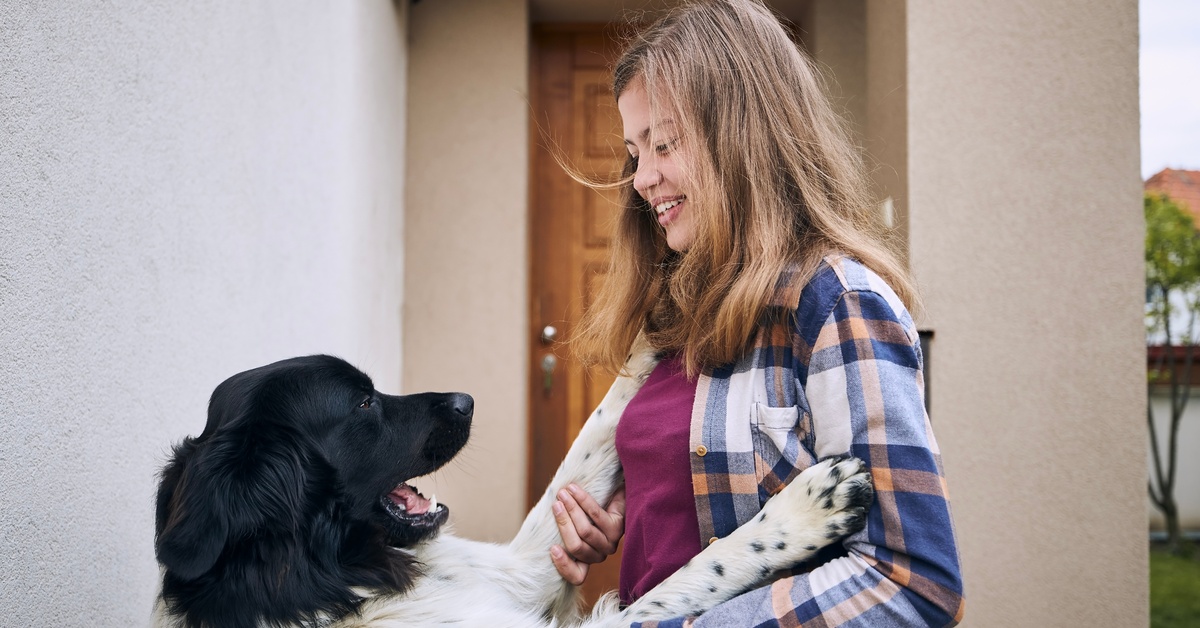
Owners laugh it off when dogs jump on guests, claim the couch, and demand petting. All these silly behaviors seem like the dog showcasing their fun personality.
The truth is that your pet doesn’t know how to follow commands because the poor behavior has been reinforced through positive outcomes. Eventually, these actions become difficult to manage and live with.
Boundaries don’t make a home cold; they stabilize it. Dogs can enjoy lying on furniture and getting pets when they follow the rules.
The Behavior Problems That Follow
Humanizing habits shape daily behavior and can intensify existing struggles. Rewarding pushiness will only become louder and bolder. Dogs without boundaries may resist commands in an excited home or public environment. Coddling during nervous moments will result in an anxious, extremely dependent pet.
Owners usually see the fallout in familiar ways: jumping on visitors, barking through meals, pulling hard on walks, guarding food or space, and melting down when left alone. These behaviors don’t appear out of nowhere. They grow through repetition, mixed messages, and misplaced affection.
Many people think discipline will damage the bond, so they avoid correction and stick to what they know. This choice can leave a dog stressed and uncertain. Dogs do best when affection and accountability work together. A dog can enjoy praise, play, cuddles, and family time while still respecting rules and responding to commands.
What Do Dogs Really Need?
If you’ve been humanizing your pet for months or years, you’re not alone. It’s natural to want to baby your sweet furry friend. However, dogs need a consistent routine and a structured household to improve their behavior. Here are some of the most important aspects that will make your dog feel happy and comfortable:
- Playing and exercising once a day
- Doing mental challenges
- Getting plenty of rest
- Eating meals at consistent times
- Using positive reinforcement to teach commands
- Being stern when it comes to enforcing the commands
A harsh attitude and a strict household aren’t necessary to improve your dog’s behavior. When owners stop projecting human expectations onto dogs, they begin meeting the animal in front of them with skill and clarity.
Teaching a dog to wait at the door, settle during meals, walk politely on a leash, and come when called builds a calm relationship rooted in trust. They’ll know that your guidance is reliable.
Build a Strong Bond Without Babying Your Dog
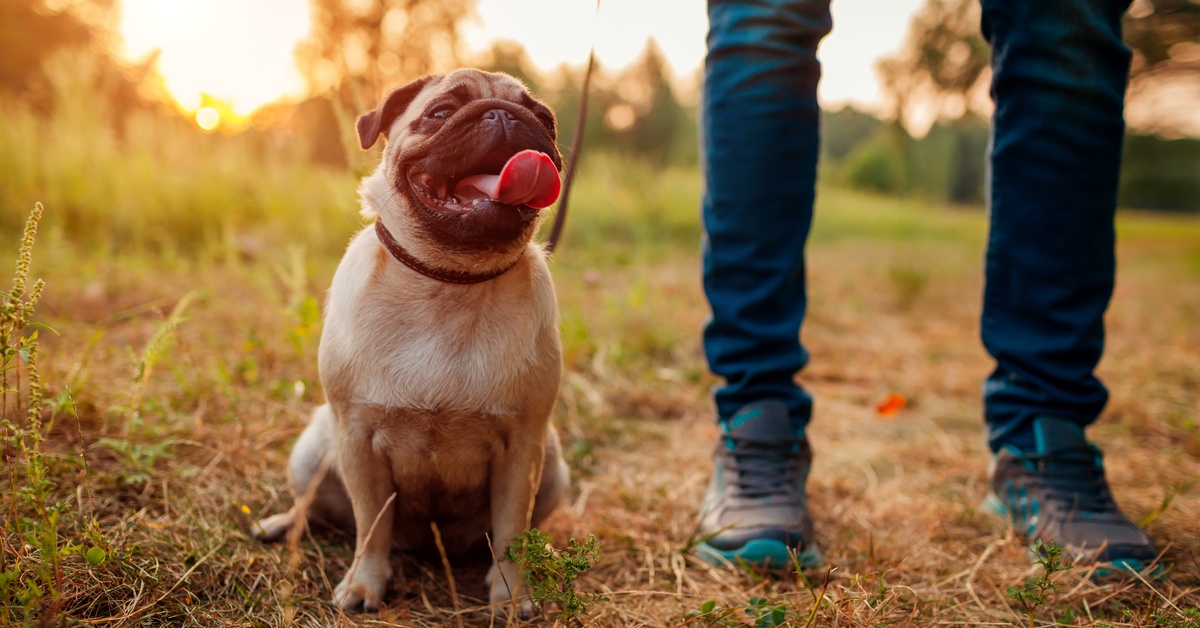
A healthy bond with a dog doesn’t grow from treating the animal like a furry child. It grows from fair expectations and dependable leadership. Dogs still get plenty of joy from play, affection, adventure, and family time when the relationship has structure.
In fact, trained dogs usually enjoy substantial freedom. They can join outings, rest calmly in public, greet guests with better manners, and settle down at home without constant conflict. Good training will bring out the best parts of it by giving the dog a stable framework.
Rethink Treating Your Dog Like a Person
Treating your dog like a person may sound loving, but dogs do better when owners respect canine instincts and teach them how to live successfully in a human household. It’s worth stepping back and asking whether your daily habits serve your dog or simply mirror human emotion.
Innovative K9 Academy wants to assure dog owners that training doesn’t dull a dog’s spark. Instead, it channels their energy and helps them become calmer and easier to trust. Whether your dog struggles with manners at home, poor leash behavior, or separation issues, expert support will improve your pet’s behavior.
We offer a dog training boarding school built around clarity, consistency, and positive reinforcement. Reach out to learn about how our dog trainers will teach your dog new commands without losing their playful nature.