
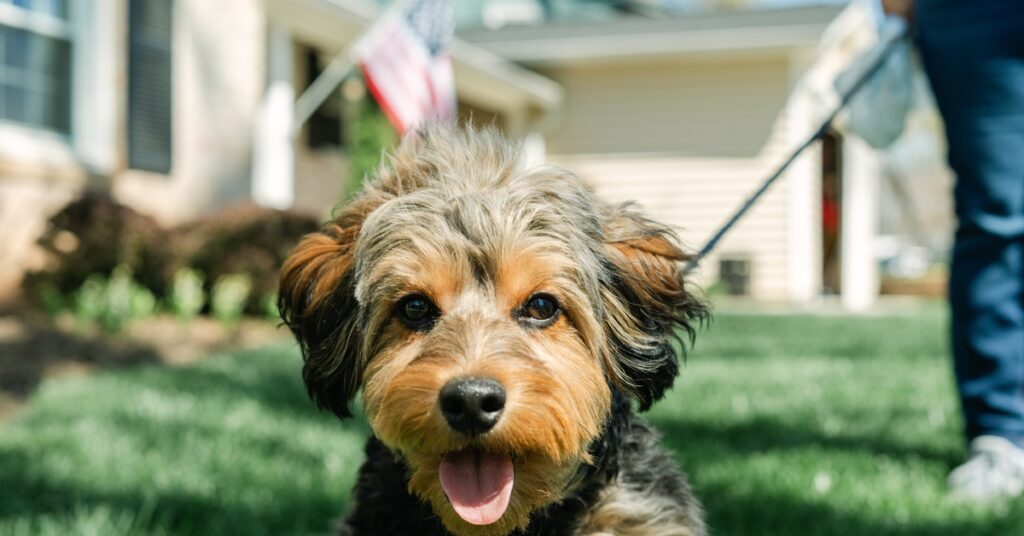
Potty time shouldn’t happen indoors. Nevertheless, the puddles don’t stop appearing in the kitchen, living room, and entryway.
Puppies have a lot to learn in their first year. Aside from teaching them how to sit and stay on command, potty training is the first priority.
Most puppies learn quickly when they have a structured routine. Following these potty training tips will help your new puppy master this skill.
Watch for Bathroom Cues
Dogs give warning signs when they need to go. They might circle near a rug, repeatedly sniff one area, drift away from play, or head into a quiet room.
It may take you some time to figure out your pup’s bathroom cues. Keep a close eye on them, especially after meals. When you can identify those signals, you can prevent indoor accidents.
Choose One Potty Area
A designated bathroom spot removes confusion. Instead of roaming the yard with no purpose, a puppy connects one location with bathroom breaks. Repetition in the same place speeds up recognition, while changing the area means that your dog has to figure out the goal all over again.
Pick an outdoor area with few distractions and easy access from the house. Bring the puppy there for each break during the first several months. Stand still, stay quiet, and give the dog time to sniff and settle.
Follow a Daily Routine
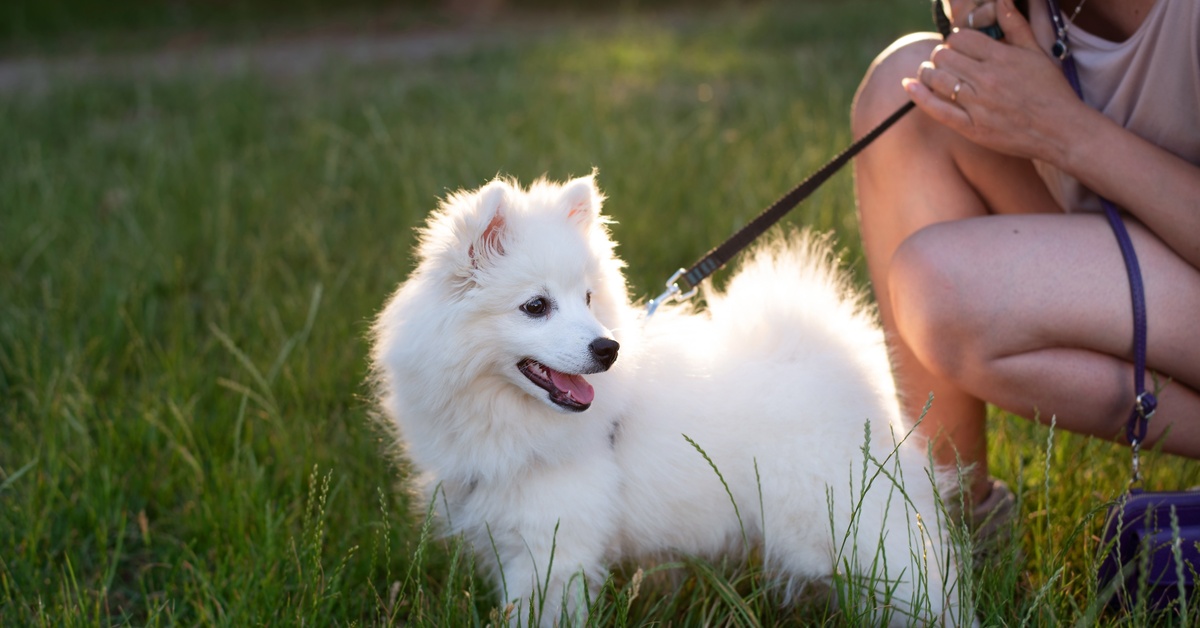
Young pups need bathroom breaks more frequently than mature dogs because of their smaller bladders and developing muscles. Without the physical control needed to hold urine for long stretches, puppies can’t fight the urge to potty.
It’s important to give your dog numerous opportunities to relieve themselves. A predictable schedule is a key component of successful house training. Puppies thrive on rhythm because it eases their stress and calms their bodies. Without structure or frequent trips to the backyard, accidents pop up frequently.
First thing in the morning, head outside for a bathroom break. Throughout the day, walk around the yard after meals and naps or if the dog exhibits any of the bathroom cues. Both you and your dog will establish a routine and limit the number of indoor accidents.
Limit Freedom Inside the House
It’s normal to want your adorable puppy to get as comfortable as possible in the home. Letting them wander upstairs to investigate every bedroom or scurry around the living room unattended all seems normal for a dog.
However, your little one has a lot to learn. There’s no telling when they might pee or if the unfamiliar space will overwhelm them. Plus, you might not find the mess for hours.
In the first few months of potty training, it’s best to limit where your pup can explore. Close supervision prevents many accidents. Keep the puppy in the same room during active parts of the day; many pet owners use the living room and kitchen. You can put up gates to limit their travels and ensure that if a mess occurs, you can find it and clean it promptly.
Use a Crate
A crate supports potty training because most puppies try to keep their sleeping area clean. The crate should give enough space to stand, turn around, and lie down comfortably, but extra room invites accidents.
Crate time should support the routine rather than replace bathroom trips. As soon as the puppy comes out, head straight to the potty area. That immediate transition sets up another successful repetition.
Respond to Accidents Calmly
Indoor accidents are part of the process. A harsh reaction won’t teach a puppy where to go. Instead, it teaches the dog to hide during bathroom time. This will only make training harder.
Catch the puppy in the act, interrupt gently, and head outside at once. Once outdoors, give the dog a chance to finish in the designated area. Afterward, clean the indoor spot thoroughly with an enzyme-based product. Dogs rely heavily on scent; any remaining odor will draw them back to the same place, which is the last thing you want.
Reward Your Pup’s Wins
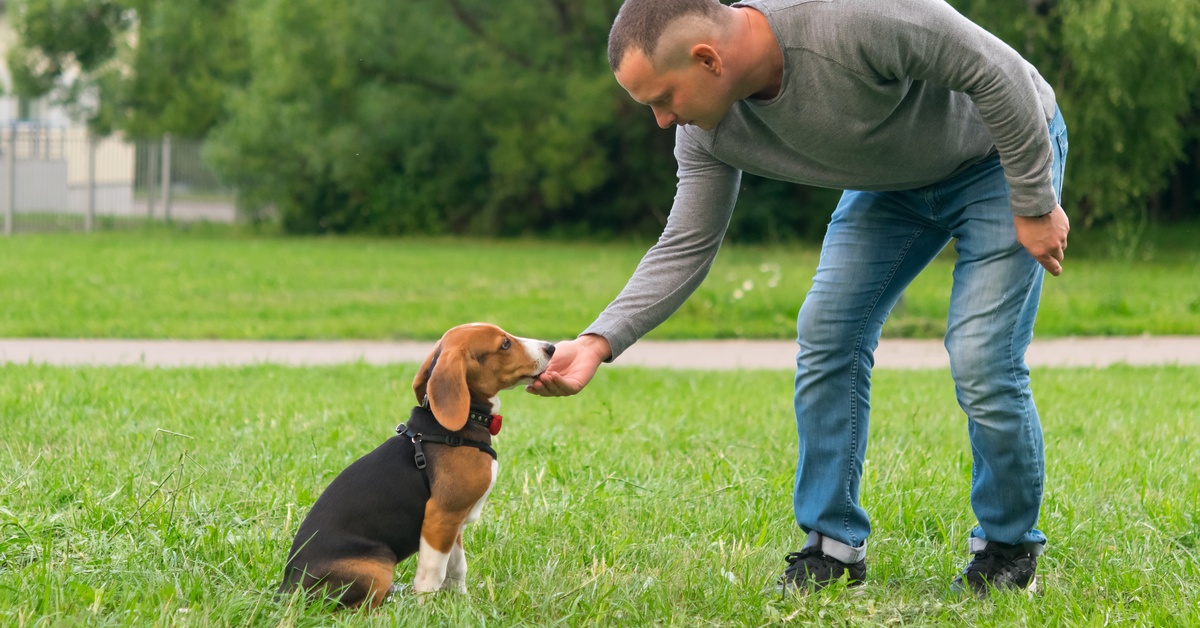
Dogs thrive on positive reinforcement. When they’re rewarded for good behaviors, they’ll keep repeating the action to ensure they get that same perk.
Positive reinforcement is an essential tactic for mastering potty training. When a dog learns that going in the correct potty area leads to something pleasant, the lesson becomes easy to understand and remember.
Treats are one of the best rewards for starting out. Some dogs respond better to verbal praise, an upbeat voice, playtime, or pets. As you’re going through the process, see which reward resonates with your dog. You’ll have the reward ready to go every time they successfully potty outside.
Give Rewards Quickly
Timing plays a huge role in whether a puppy understands the reward or not. The treat, praise, or toy should come right after the puppy finishes going in the correct spot. Waiting too long weakens the connection because puppies live in the moment; they won’t automatically link a delayed reward to the bathroom behavior.
Don’t Expect Perfection Right Away
Remember that accidents during the early months are normal. House training takes time. A puppy’s body is still developing and settling into the new environment. Not to mention, every dog learns differently; some will catch on quickly, while others will take up to six months to get the hang of the skill.
A long timeline doesn’t mean you’ve failed as a pet parent. Staying patient and sticking to these tips for potty training will have your puppy going to the bathroom outside consistently.
Ready for Extra Support?
Innovative K9 Academy works with families’ puppies who need extra guidance. If you reach the six-month mark or don’t have as much time as you’d like to nurture these skills, we’d be happy to help with puppy dog training.
Our trainers will give your dog a steady, comfortable environment where they will learn basic commands and how to go to the bathroom outside. Your pup will come home with several skills under their collar that are easy to enforce at home. Sign up for our puppy training program and watch your furry friend grow.