

Teaching a dog to follow commands takes patience, especially when barking, leash pulling, or distractions interrupt progress. Some pets respond well to instructions at home but seem to forget everything once they encounter another person or animal. These frustrating experiences leave owners wondering why their training efforts aren’t producing consistent results. There are several advantages of working with experienced dog trainers. With professional guidance, dogs will learn countless skills that they can maintain at home.
Identify the Causes of Unwanted Behaviors
Excessive barking, lunging, and jumping might appear to be simple disobedience. However, several underlying factors influence these actions. Experienced trainers understand canine body language and recognize behavioral signals that owners sometimes overlook. For example, a dog that barks at strangers could be experiencing fear, frustration, or excitement. Identifying the motivation behind the reaction allows the trainer to address the actual problem.
Professionals also examine how an animal responds to unfamiliar situations, household routines, and human interactions. A dog that growls when another animal approaches its food requires a distinct training approach compared to one that lunges out of fear. By evaluating these responses, trainers select appropriate techniques that address the underlying behavioral patterns.
Develop Training Plans That Fit Individual Dogs
Every animal has unique learning habits, personality traits, and previous experiences that influence its response to instruction. Experienced professionals recognize these differences and adjust their teaching methods accordingly. An energetic German Shepherd could benefit from engaging obedience exercises that encourage sustained attention. On the other hand, an anxious Australian Shepherd might require gradual exposure to unfamiliar surroundings.
Age, temperament, and existing behavioral habits influence the training process, too. Puppies typically require foundational instruction, including basic commands and appropriate social interactions. Meanwhile, adult dogs with established habits might benefit from structured behavior modification. Individualized plans allow trainers to address specific challenges.
Teach Commands With Consistent Communication
Dogs rely on repetition and recognizable cues to understand what people expect from them. However, inconsistent instructions create confusion, especially when family members use varying words or reward behaviors at unpredictable moments. Experienced trainers establish consistent communication through precise verbal commands, body language, and timely reinforcement.
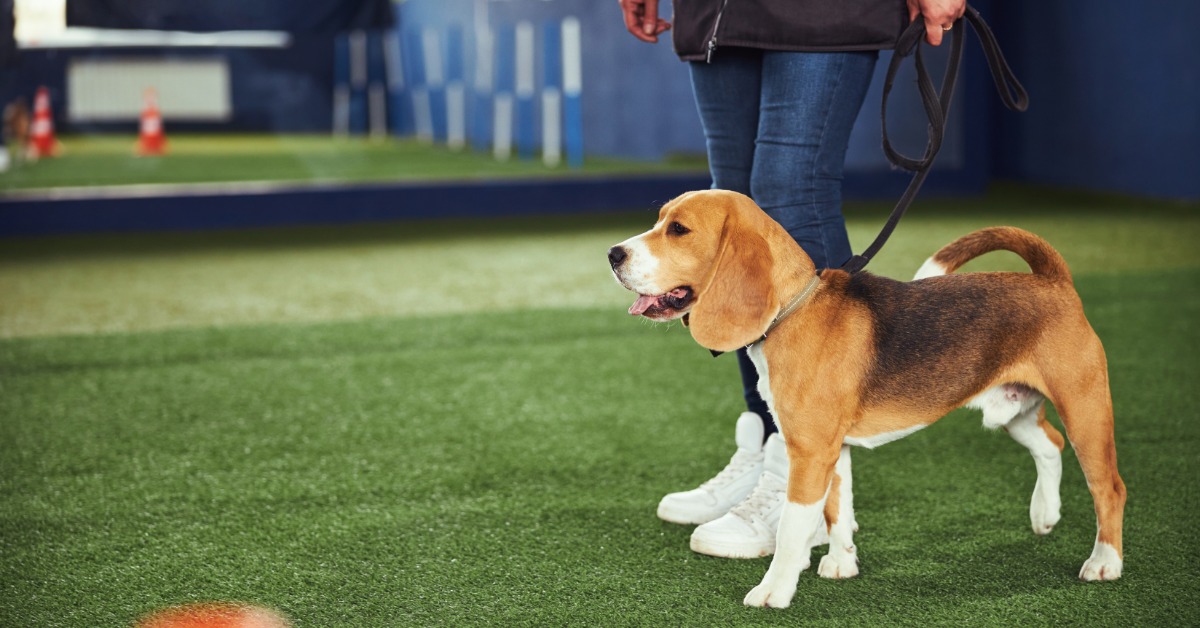
For instance, teaching the heel command involves rewarding the animal for walking beside the handler without pulling. The trainer introduces distractions gradually, reinforcing the desired position until the dog understands how to respond in increasingly stimulating environments. Through consistent instruction, pets associate each command with a specific action, reducing hesitation and confusion.
Reduce Reactivity Around People and Animals
Encountering unfamiliar dogs or strangers occasionally triggers barking, lunging, or defensive behavior. These reactions frequently develop when an animal feels threatened, overwhelmed, or uncertain about the situation. Professional trainers recognize early warning signals—such as stiff posture, intense staring, and changes in movement—before the behavior escalates.
With this knowledge, trainers introduce controlled exposure exercises at distances that allow the animal to remain engaged. They reinforce appropriate responses and gradually increase exposure as the dog demonstrates progress. This structured approach teaches pets to observe unfamiliar people or animals without immediately reacting, giving owners greater control during walks and public outings.
Improve Obedience Around Everyday Distractions
A dog that responds immediately to commands in the living room might ignore those same instructions at a busy park. Moving vehicles, unfamiliar scents, and nearby animals compete for attention, making obedience difficult without sufficient practice. Experienced trainers understand how to introduce distractions progressively, reinforcing commands in environments that challenge the animal’s concentration.
Initially, a trainer might practice recall in a quiet training area before introducing another person nearby. Once the dog responds consistently, sessions progress to locations with increased activity. Repeated success across various settings teaches the animal to recognize commands regardless of surrounding stimulation, improving responsiveness outside familiar environments.
Prevent Training Mistakes From Reinforcing Bad Habits
Sometimes, owners encourage unwanted behaviors. They don’t even realize that certain reactions influence their dog’s future responses. By giving a pet attention when they jump could reinforce the behavior. Similarly, repeatedly calling a pet without achieving a response might teach it that returning immediately isn’t necessary.
Experienced professionals recognize these patterns and explain how timing, repetition, and reinforcement affect learning. They demonstrate when to reward appropriate choices and how to maintain consistent expectations without confusing the animal. Correcting these communication mistakes prevents owners from unintentionally strengthening habits they want to eliminate.
Strengthen Trust Through Positive Training Experiences
Successful instruction depends on establishing a relationship that encourages engagement and cooperation. Experienced trainers understand the value of introducing commands through rewarding experiences before expecting consistent obedience.
Food rewards, toys, and interactive exercises encourage dogs to participate willingly. Plus, they’ll associate training with enjoyable activities.
As pets become familiar with commands, trainers establish reasonable expectations and reinforce appropriate responses. Animals have opportunities to succeed as they grasp the boundaries of acceptable behavior. Consistent communication and fair guidance strengthen trust because the dog understands what the handler expects and how to respond.

Teach Owners To Maintain Training Progress
Professional instruction provides valuable skills, but lasting results depend on how families reinforce those lessons at home. Experienced trainers teach owners how to deliver commands consistently, recognize appropriate responses, and address unwanted behaviors without introducing confusion.
The trainer will demonstrate the place command and explain how families should use it when visitors arrive. Owners practice giving instructions, rewarding appropriate behavior, and releasing the dog at the correct moment. Continued guidance through private lessons or group classes provides opportunities to address new challenges and reinforce established expectations.
Prepare Owners for Public Outings
Taking an energetic or reactive dog into public spaces sometimes feels stressful, particularly when previous outings involved pulling, barking, or uncontrolled greetings. Professional guidance teaches owners how to interpret behavioral signals and respond before excitement escalates. Understanding when to redirect attention or reinforce a command improves communication during potentially difficult encounters.
Through structured practice, owners develop the handling skills necessary to navigate sidewalks, parks, and other pet-friendly locations. A dog that responds to heel and recall commands gives its family greater freedom to enjoy activities together. These improvements contribute to enjoyable outings and reduce uncertainty about managing unexpected distractions.
Work With the Experienced Trainers at Innovative K9 Academy
The benefits of experienced dog training extend beyond teaching basic obedience commands. Professional guidance addresses individual behavioral challenges and gives families the knowledge to maintain positive changes through consistent communication.
Innovative K9 Academy offers structured training programs in Utah, including puppy instruction, behavior modification, and a dog training boarding school. Our trainers combine positive reinforcement, engaging exercises, and steady expectations to address behavioral concerns. We’ll help your dog strengthen their obedience skills, and you’ll get to enjoy a dog who listens to your commands consistently.