
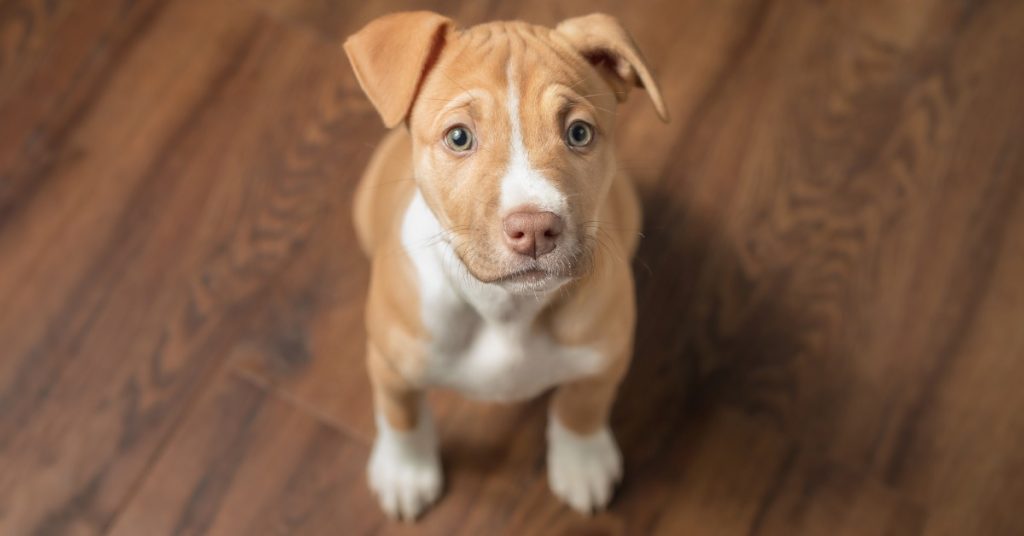
A puppy who jumps into someone’s lap or steals a sock usually gets a laugh at first. Puppies pay close attention to what earns a reaction, so ordinary household moments influence the habits they develop. Many puppy training mistakes come from well-meaning owners who don’t realize what their new companion is learning.
1. Putting Off Training Until They’re Older
It’s tempting to give a new puppy a few months to settle in before introducing rules. Meanwhile, the puppy spends those early weeks experimenting with everything from grabbing sleeves to racing through open doorways.
Those experiments produce lessons of their own. If running away turns into a game of chase every afternoon, the puppy practices ignoring the person calling its name. Eventually, the family has an energetic adolescent who treats recall like an invitation to play tag.
2. Changing the Rules Throughout the Day
Imagine a puppy who gets invited onto the couch during movie night but hears “off” the following morning. Or one who receives enthusiastic hugs for jumping on a family member, then gets scolded for greeting a visitor the same way. The puppy hasn’t decided to misbehave; people taught them conflicting rules.
When jumping sometimes earns affection, the puppy has a reason to try again, even after several unsuccessful attempts. As the animal grows, family members might describe it as stubborn when it’s actually responding to lessons they unintentionally taught. Consistent household expectations prevent confusing instructions.
3. Giving Attention to Demand Barking
A puppy barks beside the kitchen counter, and someone immediately turns around to say, “Quiet!” To the owner, the response was a corrective command. To a puppy craving interaction, it was proof that making noise gets a person to pay attention.
Some vocalizing signals fear, discomfort, or a genuine unmet need, so context is essential. But when barking reliably earns attention or food, it can turn into a persistent request. An adult dog with that habit might interrupt phone calls, meals, and conversations whenever it wants something.
4. Using Hands as Chew Toys
Tiny puppy teeth seem harmless until the playful nips become sharp enough to scratch. First-time owners sometimes wiggle their fingers near a puppy’s mouth or encourage wrestling with bare hands. The puppy happily joins in, learning that grabbing skin is part of an enjoyable game with people.
That lesson doesn’t disappear when adult teeth arrive. During exciting greetings, the dog might mouth someone’s wrist or catch a child’s sleeve, believing it’s continuing the same kind of play. Mouthing alone doesn’t mean a puppy is aggressive, but poor bite boundaries might make everyday interactions stressful.

5. Mistaking Constant Greetings for Socialization
A friendly stranger asks to pet the puppy, and the owner agrees even though the youngster is hiding behind their legs. At the park, another dog rushes over, and someone insists the puppy needs to get used to it. These encounters are common because new owners want a sociable companion and assume frequent contact will produce one.
Socialization, however, isn’t a contest to meet the most dogs or people. A puppy who repeatedly feels trapped in unwanted introductions could begin to dread unfamiliar faces or approaching animals. Later, that uneasiness might appear as barking, retreating, or lunging on walks.
6. Dismissing Early Signs of Fear
When a puppy freezes near a noisy truck or backs away from a visitor, an owner might tug it along and say, “You’re fine.” The intention is reassuring, but the puppy’s posture suggests an overwhelming situation. Pushing ahead despite that reaction can turn an uncomfortable moment into an experience the animal remembers negatively.
Still, repeated encounters that leave no room to recover could encourage avoidance or defensive displays. A young dog that learns strangers ignore its attempts to retreat might eventually bark to gain distance. Taking those early signals seriously gives owners a chance to prevent an ordinary worry from becoming a recurring conflict.
7. Repeating Commands Until Something Happens
Shouting for a dog to come back time and time again with zero response is common. An excited puppy sniffs the grass as its owner repeats the same instruction across the yard. Nothing in that exchange shows the animal that the first cue meant it was time to respond.
Repeated commands become background noise when the puppy hasn’t learned a dependable connection between the word and the action. Later, the family might expect a quick response near traffic or another animal, despite months of practicing the opposite habit. Puppies benefit from short, rewarding lessons that teach the meaning of each cue before anyone expects obedience around major distractions.
8. Letting Pulling Determine the Walk
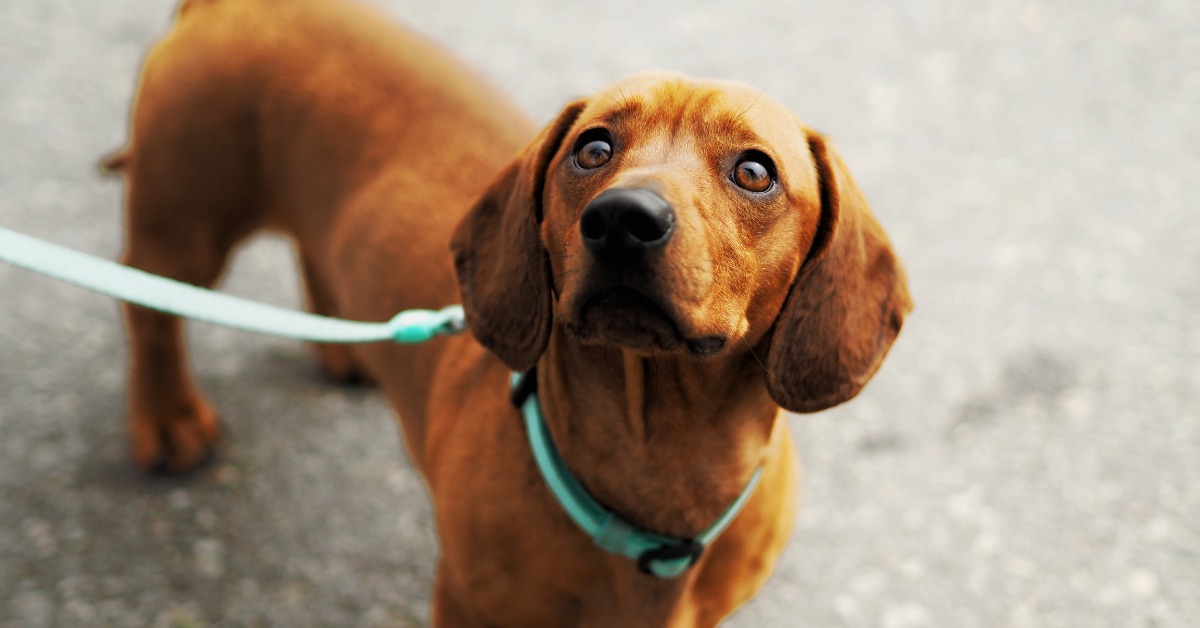
There’s an interesting smell across the sidewalk, so the puppy lunges toward it. Its owner follows, partly because the young dog is small and the tug seems manageable. A few steps later, another scent catches its attention, and the same thing happens. By the end of the walk, pulling has repeatedly delivered exactly what the puppy wanted.
As the dog gains weight and strength, that routine becomes exhausting and occasionally hazardous. A sudden dash toward another animal could catch someone off balance, and constant leash tension makes outings frustrating for everyone involved. The problem isn’t a puppy’s curiosity. It’s the repeated lesson that dragging a person toward something interesting is an effective strategy.
9. Treating the Crate Like Punishment
After discovering a puddle on the carpet, an irritated owner sends the puppy straight into its crate. Another family uses the crate exclusively when everybody leaves home, then wonders why the puppy protests at the sight of it. In both situations, the animal begins connecting confinement with unpleasant experiences.
A puppy with those associations might resist entering, vocalize persistently, or become distressed when the door closes. Pleasant, gradual introductions give the puppy a chance to associate the space with rest and security.
10. Assuming Bad Habits Will Disappear
“He’ll grow out of it” sounds reasonable when the puppy is small enough to scoop off the kitchen counter. Unfortunately, age doesn’t automatically erase behaviors that repeatedly earn a reward. A young dog who jumps on arriving guests and receives excited attention has practiced a greeting routine that works remarkably well from its perspective.
Habitual counter surfing, door rushing, and attention-seeking behaviors can persist for similar reasons. Puppyhood is an ideal time to establish expectations, before months of repetition turn these antics into familiar routines.
Give Your Puppy a Positive First Chapter
First-time owners aren’t expected to know every training principle on the day they bring a dog home. What counts is noticing the lessons hidden in ordinary interactions and guiding those habits before frustration takes hold. Avoiding common puppy training mistakes gives families a solid foundation for a rewarding relationship.
Innovative K9 Academy’s Puppy School focuses on early obedience, positive reinforcement, appropriate socialization, crate skills, and common puppy behaviors such as biting and jumping. An experienced puppy trainer can guide that early learning and show families how to continue practicing at home. Contact Innovative K9 Academy to discuss a puppy training program in Utah that fits your new companion’s age and development.