
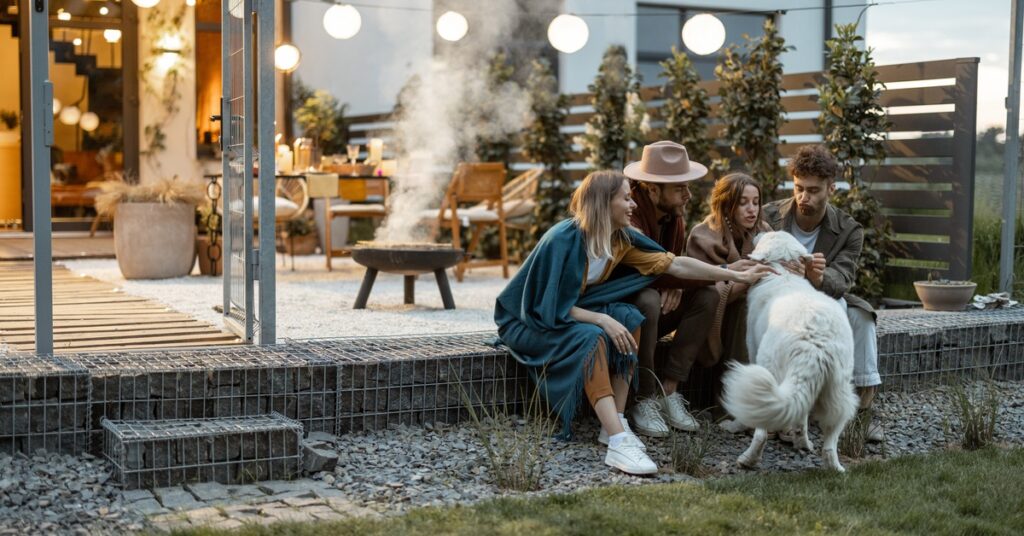
Instead of welcoming your guests warmly, your dog storms into the entryway and barks relentlessly. It’s impossible to help the dog calm down, even as the guests move into the living space.
Dog owners feel embarrassed when they can’t get their furry companion to settle. You need an effective way to stop your dog from barking when people come over. Identifying the cause of this behavior and being patient with training will make excessive barking a thing of the past.
Why Dogs Bark at Guests
When guests arrive, they disrupt the dog’s environment. Dogs direct their attention to the sounds, movements, and scents. Then, they react by barking at the new scene.
Alert Instincts
A knock at the door or a voice on the porch signals activity in the dog’s territory. Alert barking becomes difficult once the dog repeats the same pattern during every visit. The dog hears the doorbell, rushes forward, and practices the same loud response. Over time, the entryway becomes the place where barking always happens.
Excitement
Some dogs bark because guests create intense excitement. They love attention and expect people to greet them right away.
Excited dogs may bounce, spin, jump, or crowd the doorway. Because of the pet’s high energy, owners commonly struggle to help them quiet.
Anxiety
Anxious dogs bark because visitors make them uneasy. New people enter the home with unfamiliar voices and actions. Barking is a way to create distance from a person and their unpredictability. Some dogs back away while they bark, and others move forward toward the person.
Frustration
In some cases, owners prepare for guests by keeping the dog in a separate area. However, barriers can cause the dog to bark, too. Whether it’s a baby gate or a closed door, the dog knows of a new person’s presence and reacts by barking because they feel stuck. Frustration barking commonly occurs with pawing, whining, and lunging at the obstacle.
Set Up the Entryway First
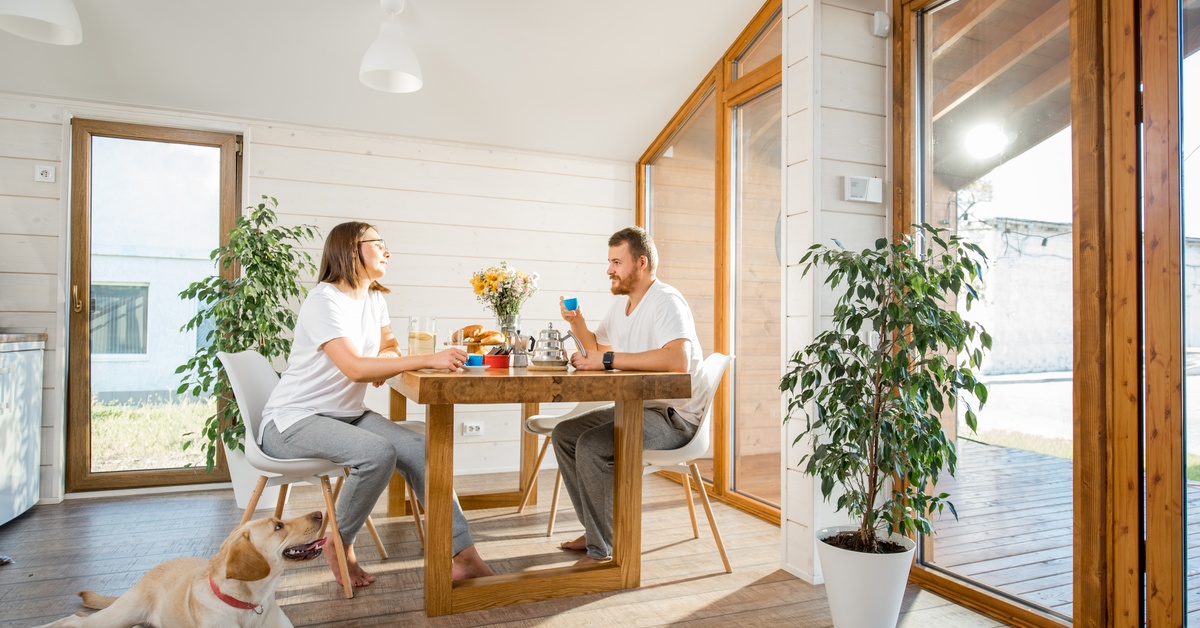
It’s tough to interrupt barking habits after the dog reaches the door. Before guests arrive, move the dog away from the door and into a familiar training area. This space can be a crate, bed, or gated room that makes the dog feel at ease. If they’re in distress, the barking will only continue.
Keep a family member nearby the dog. Whenever a new person enters the house and the dog doesn’t turn to frantic barking, hand them a treat. Rewarding calm behavior will turn the constant barking into a past concern.
Practice Door Sounds Alone
Door sounds trigger many barking episodes because the dog hears a knock, a doorbell, or footsteps. These sounds result in excitement or territorial behavior unless training changes the pattern.
Practice the sound during quiet moments. Ring the doorbell once or knock softly. Then, guide the dog to its comfort place. Reward them after settling and focusing back on the owner. Once the dog handles soft sounds, increase the volume or add a person outside the door.
Give the Dog One Command
Dogs bark less when they understand a specific job during guest arrivals. A vague command like “be good” leaves too much room for guessing. A clear command, such as “place,” directs the dog to one spot and one behavior.
Send the dog to the bed and reward the position. Once the guests have found their place inside of the house, release your furry friend to greet them calmly.
Slow Down Guest Greetings
Chaos ensues as guests walk through the front door. From the doorbell ringing to everyone laughing and hugging, dogs don’t have time to adjust to the loud, quick change. They match the enthusiastic energy, and barking tends to follow.
Ask guests to enter calmly and ignore the dog at first. Holding their hands still and moving into the room without crowding the pet prevents the dog from controlling the greeting.
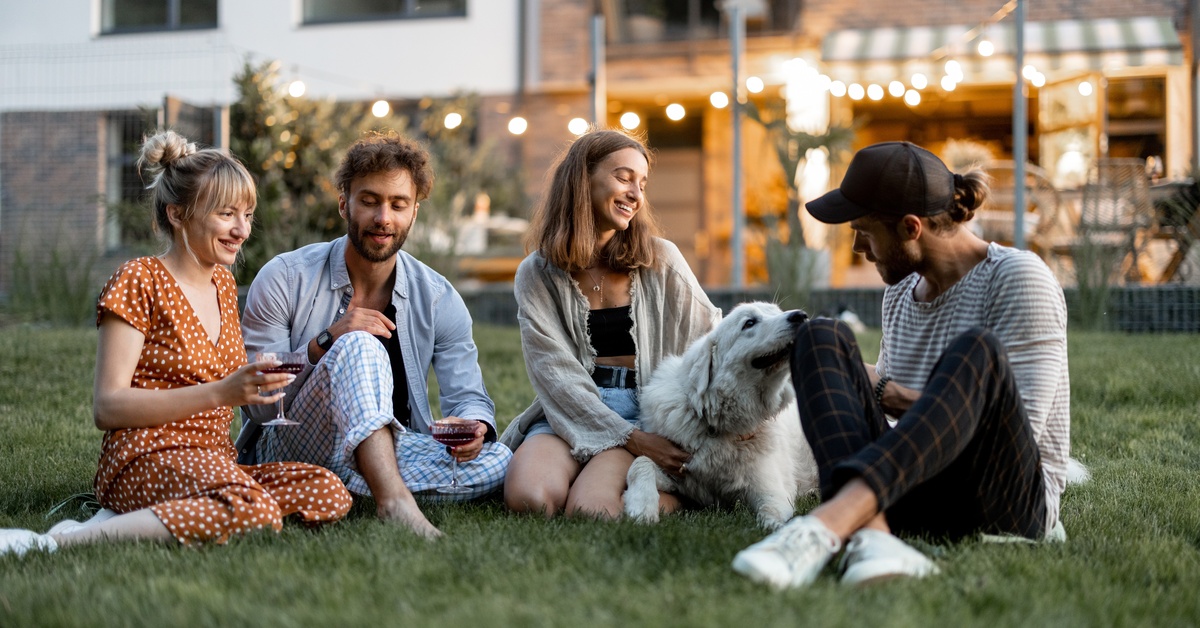
The dog earns a greeting only after it settles. A calm dog may sniff briefly or receive quiet attention from the guest. Gradually, these interactions will teach your dog that quiet behavior results in attention.
Decrease Barking During Daily Life
Progress takes a step back when pets bark every day. Whether they’re barking at animals from behind the window or outside during bathroom breaks, this behavior becomes a part of their reaction pattern.
Reduce the number of chances the dog has to rehearse the same response. Close blinds during busy times of day and move the dog away from windows facing sidewalks or streets. During bathroom breaks, walk the dog to a quieter part of the yard before barking begins. These small changes lower daily arousal and make guest training far less chaotic.
Identify When Barking Turns Into Aggressive Behavior
Barking is frustrating for pet owners, but there’s a point when this unfavorable behavior turns into a real concern. Lunging, growling, sniffing, and blocking a person from moving through the home needs to be separated from the guests right away.
Owners should avoid forcing greetings when the dog shows these signs. A nervous or defensive dog can escalate when people reach toward it or move into its space. Guests should ignore the dog and avoid direct eye contact until the situation settles. The dog should have a quiet place away from the visit where it can calm down without pressure.
If barking ever becomes aggressive, stop practicing doorway greetings. Repeated exposure to people without structure can worsen the behavior. A dog that already reacts with aggression requires guidance before guests become part of the training routine again.
Hire a Dog Trainer for Additional Support
Dog aggression training is necessary when barking is accompanied by biting, lunging, or growling. Professional trainers learn what drives each dog’s reaction by evaluating body language and actions. Whether they’re reacting from fear or territorial behavior, the trainer will shape the training plan around exactly what the dog needs to prevent aggressiveness.
Host Friends and Family Without Persistent Barking
Establishing a structured greeting routine will stop your dog from barking when people come over. The dog will know how to follow directions, and guests will never feel at risk.
Innovative K9 Academy offers dog training services for dogs of all sizes and ages. No matter their current habits, we will learn about their behaviors and help them stop barking every time people enter the house. Contact our head trainer today to teach your dog the skills they need.