

You’ve put in the time, attended the classes, and celebrated every small win, yet your puppy’s behavior seems to regress. It’s a frustrating and disheartening experience. You might wonder if you did something wrong or if your puppy is just a smidge stubborn. In most cases, the answer is more complex. There are several different reasons why your puppy is regressing in training. Consider each of these possibilities, so you can get your pup back to building good behaviors.
1. Inconsistent Reinforcement at Home
During a class, your puppy learns that a certain command leads to a reward. But if you don’t practice or reinforce the command the same way at home, the lesson fades. You’ll need to integrate the command or habit into your puppy’s daily life.
Additionally, everyone in the household must be on the same page with rules and commands. If one person lets the puppy jump on them while another scolds them for the same behavior, the mixed messages will confuse them. It becomes tough for the dog to learn what you expect, causing them to revert to old, undesirable habits because the boundaries are unclear.
2. The Training Environment Was Too Controlled
Many group classes take place in a plain, indoor environment. The lack of distractions supports your pup’s education. The real world, however, is full of exciting sights, sounds, and smells that are far more interesting than a command they’ve only practiced in a quiet room.
When you take your puppy to a park or on a busy street, their brain becomes cluttered with new stimuli. The training seems to disappear because their focus is completely elsewhere. True obedience means a dog will listen no matter the environment. This requires proofing behaviors in many different locations with varying levels of distraction.
3. Overlooking Adolescent Development Stages
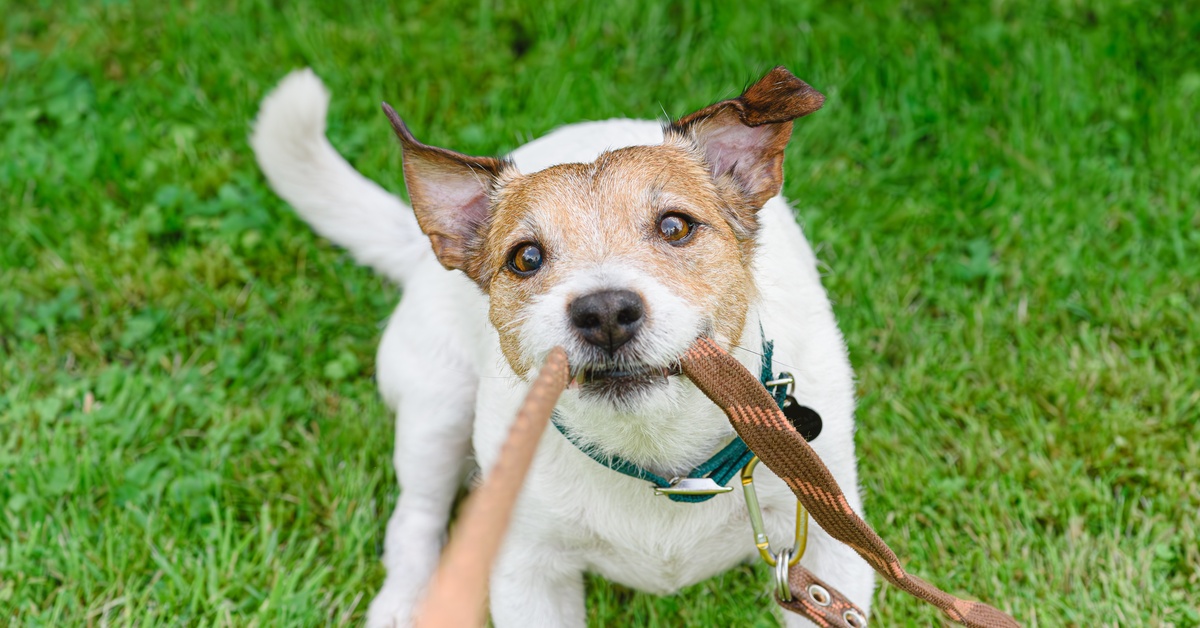
Puppies go through an adolescent phase between six and twelve months of age. During this time, hormonal changes and brain development can lead to what seems like a sudden defiance. They might forget commands they once knew perfectly and test boundaries more than ever before.
This isn’t a sign of failure; it’s a normal developmental period. Puppies become more independent and aware of the world around them as they grow. It’s important to be patient and return to basics. Reinforce commands and expectations with the same consistency you used when they were eight weeks old.
Fear Periods
Puppies also experience several fear periods as they mature. They may suddenly grow anxious or fearful of things that never bothered them before, like a garbage can, a vacuum cleaner, or a person in a hat. Newfound fears can cause them to act out, and they ignore commands because of their anxiety.
These phases are temporary but require careful handling. Forcing your puppy to confront their fear can make it worse. Instead, build their confidence slowly and show them that they are safe. Recognizing this as a developmental stage helps you respond with support instead of frustration.
4. Unmet Physical and Mental Needs
A bored puppy is a destructive puppy. If your dog doesn’t get enough physical exercise or mental stimulation, they will find their own ways to stay occupied. Chewing, digging, barking, and an inability to settle down are common bad behaviors.
Another thing to keep in mind is that different breeds have distinct needs. A border collie requires much more mental work than a basset hound. No amount of training will fix problem behaviors caused by a lack of activity. Adding puzzle toys, scent work games, or more vigorous exercise to their routine can make a world of difference in their ability to learn.
The Importance of Rest
There’s another side to your pet’s physical and mental needs. Dog owners might think that they need to wear out their pup in order for them to have a good night’s sleep or behave well throughout the day.
However, mental wellness and physical activity need to be balanced. Bad habits could develop because your puppy doesn’t receive enough sleep each day. Adequate rest helps dogs regulate their emotions. It can prevent overstimulation, biting, barking, pacing, and more.
From taking walks to playing fetch, encourage your puppy to exercise at least twice a day. The duration of exercise will depend on their age, ranging from five to 20 minutes of physical activity. Start out small, don’t overwork them, and make sure they have a cozy place to sleep.
5. The Training Method Wasn’t a Good Fit
There are many approaches to dog training. Some rely solely on rewards, while others incorporate corrections to mark unwanted behavior. If the method used in your previous class wasn’t clear or motivating for your specific puppy, the lessons may not have stuck.
Some puppies are highly food-motivated and will do anything for a treat. Others are more interested in toys or praise. A skilled trainer knows how to find what motivates an individual dog and uses it to build a strong desire to work. If your puppy found the training boring or confusing, it’s no surprise that they can’t retain the information.
6. The Problem Is Deeper Than Basic Obedience
Sometimes, what appears as simple disobedience is actually a symptom of a deeper issue, like anxiety, fear, or a lack of confidence. A puppy who pulls on the leash might not be defiant; they might be anxious about the environment and trying to get away. A puppy who barks at strangers may be fearful, not aggressive.
Basic obedience classes don’t address these underlying emotional states. If your puppy’s behavior comes from fear or anxiety, you need to teach more than “sit” and “stay” commands. Immersing your pup in a program that builds confidence will teach them how to cope with stressful situations.
The Power of Immersion
For many puppies, a board and train program offers a solution that weekly classes cannot. These programs place your puppy in a structured environment where they receive constant, professional guidance. Consistency accelerates learning and helps reset unwanted behaviors.
In a board and train setting, a professional can create a 24/7 routine that builds good habits and confidence. Your puppy learns how to behave in a home environment, how to socialize properly with other dogs, and how to remain calm in new situations.
7. Your Pet Isn’t Receiving Enough Support
If your previous class ended and you were left with no follow-up support, it’s natural to feel lost when new problems arise or old ones resurface. Training is an ongoing process, and having access to an expert for guidance is invaluable.
You are the one who will live with your dog for the next ten years. You need to understand the why behind their behavior and feel confident in your ability to lead them. The best trainers provide ongoing support to their clients, ensuring that the training lasts a lifetime.
Why Innovative K9 Academy Is Different
Realizing your puppy’s training is regressing is tough, but it’s not a dead end. By identifying the root cause—whether it’s inconsistency, developmental changes, or an unfavorable training method—you can create a new plan for success. It’s about finding the right approach that addresses your puppy’s unique personality and your family’s lifestyle.
If you’re ready for a new solution, sign up for Innovative K9 Academy’s puppy training classes. We understand that many owners have tried other classes without success. Our puppy board and train program uses a balanced approach to build a foundation of confidence and obedience, addressing the root causes of problem behaviors. With continued support after the program ends, we’ll provide the knowledge pet owners need to maintain their pet’s positive behaviors. Visit our website to learn how our puppy boarding school will teach your pet a wealth of new skills.