
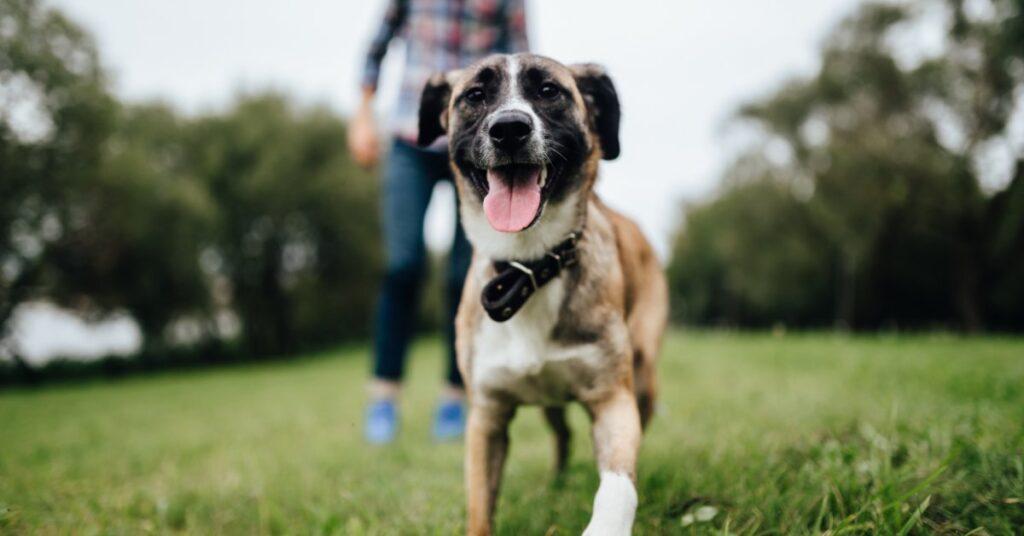
Bringing home a puppy means watching a young dog figure out all of the new people and places they encounter. Some puppies rush toward every new experience, while others hang back and study the situation first. Neither response signals an issue; temperament and breed traits influence how a puppy approaches the world. However, puppy training is a good way to build a dog’s social skills from an early age. By giving young dogs guidance during unfamiliar experiences, they will learn how to respond without becoming overwhelmed.
Socialization Is More Than Exposure to Others
Many owners hear that puppies need socialization and assume the goal is to introduce them to as many dogs and people as possible. Quantity alone doesn’t teach a puppy how to behave during those interactions. A puppy crowded by strangers or rushed into intense play could leave the encounter feeling frightened.
Healthy socialization centers on exposure that the puppy can process successfully. This could mean observing another dog without pulling toward it, hearing traffic from a safe distance, or walking across a new textured surface. The puppy learns that new situations don’t require an immediate reaction.
Training adds direction to those moments by giving the puppy a familiar task or a reason to reconnect with the handler. Neutral behavior is a valuable social skill because puppies don’t have to interact with everything they notice.
Training Gives Puppies Social Direction
Young dogs don’t automatically know what behavior to produce around visitors, dogs, children, and hectic surroundings. Excitement leads to jumping, barking, pulling, or frantic movement because the puppy doesn’t know of a different response.
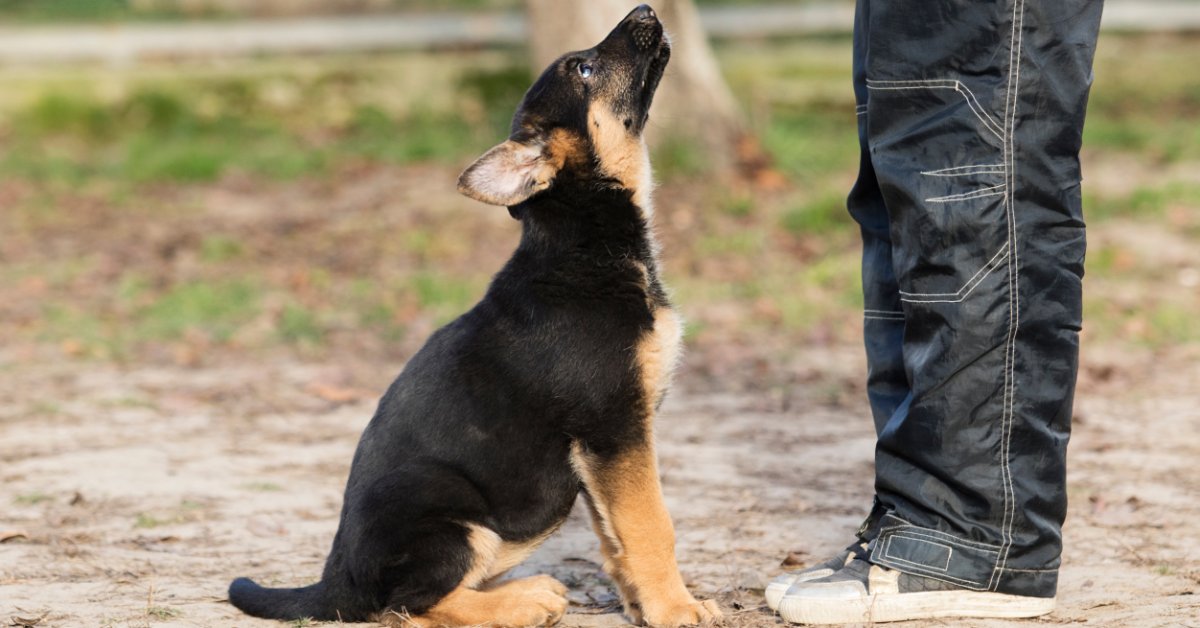
Structured training introduces clear expectations before those patterns become familiar habits. Simple skills—such as responding to a name, sitting, coming when called, and focusing on a handler—give the puppy useful actions during social situations. The value comes from the connection between the cue and the environment. A puppy who understands how to check in with a person has a familiar point of reference when something new appears. That guidance reduces the pressure to figure out every situation alone.
Calm Greetings Take Practice To Perfect
Meeting people and dogs can become one of the most exciting parts of a puppy’s day. Without boundaries, excitement transforms into pulling toward every person or launching into another dog’s space. Repeated behavior becomes familiar quickly, so early greeting techniques are important to teach.
Training shows puppies that social access doesn’t have to happen the moment they notice someone. Waiting briefly or engaging with the handler first gives the puppy a chance to settle before an interaction begins. Over time, greetings become less chaotic because the puppy understands that calm behavior leads to social opportunities. Some puppies will enjoy frequent interaction, while others may prefer a small social circle.
New Environments Teach Adaptability
Social development includes far more than direct interaction. Puppies are constantly taking in movement, sound, texture, distance, and activity around them. A quiet neighborhood, busy parking area, veterinary office, and unfamiliar building all present different information.
Thoughtful exposure allows a puppy to experience those settings without flooding them with stimulation. A new surface under the paws or a loud sound in the distance may seem minor to an adult dog, yet the puppy’s figuring out what belongs in the normal world. Training keeps the experience connected to something familiar. Food, play, engagement, and known cues help the puppy process novelty without losing focus.
Focus Changes Social Experiences
A socially skilled dog doesn’t have to greet every person or play with every dog. In many situations, the most useful social skill is the ability to notice something interesting and remain connected to the handler. That skill becomes valuable in parks, on walks, around guests, and in unfamiliar spaces.
Focus training teaches puppies that the environment isn’t the sole source of information. When a puppy checks in after noticing a distraction, the handler becomes part of the decision-making process. That connection gives owners a way to guide behavior before excitement or uncertainty takes control.
Missed Socialization Can Affect Behavior
Limited early exposure doesn’t guarantee that a dog will develop behavioral problems. Genetics, breed traits, temperament, health, and later experiences all influence adult behavior. However, puppies who have very few positive experiences with unfamiliar situations may enter adolescence without much practice processing novelty.
That lack of experience can appear as hesitation, avoidance, excessive excitement, barking, or defensive behavior. A dog who never learned how to settle around unfamiliar people could react strongly when visitors enter the home. Another dog may become intensely excited around other dogs. Early training gives puppies repeated chances to practice thoughtful responses before those reactions become deeply rehearsed.
Breed Traits Shape Social Responses
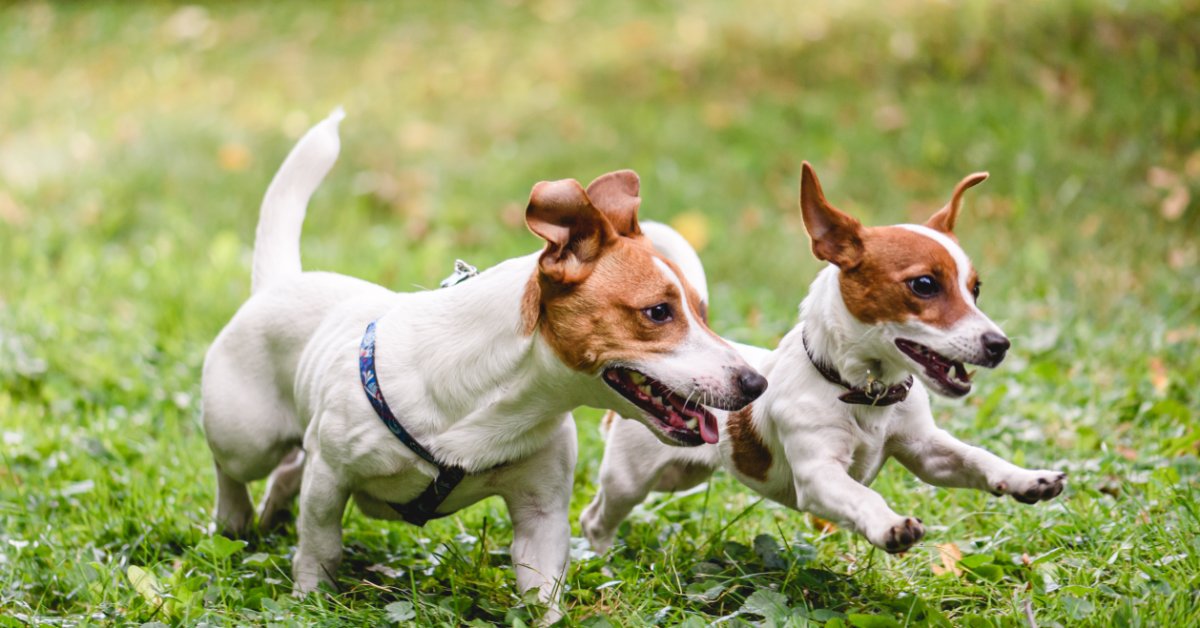
Owners sometimes compare one puppy with another and assume both should react the same way. Breed tendencies make that expectation unrealistic. A highly social breed may approach strangers readily, while a puppy with guarding or herding traits could show caution around unfamiliar people or movement.
Individual personality matters just as much. Two puppies from the same breed can have very different thresholds for excitement, noise, handling, or social contact. Training works best when those differences shape the experience. The goal isn’t to turn every puppy into a social butterfly. A well-socialized dog should be able to move through ordinary situations with appropriate behavior, even when direct interaction isn’t necessary.
Professional Guidance Reinforces Early Skills
Puppy owners have a short period filled with rapid development, new routines, and constant learning. Professional training can give that period useful structure. A trainer will observe how a puppy responds to people, dogs, surfaces, sounds, and unfamiliar settings to identify the best teaching method.
Innovative K9 Academy includes proper socialization, focus and engagement, exposure to new environments, and greeting etiquette within our puppy dog training program. Our puppy training will increase your dog’s social skills by giving them the chance to understand the world with clear guidance and thoughtful exposure. Contact the team to discuss a puppy training program that fits your dog’s age, temperament, and current social skills.