
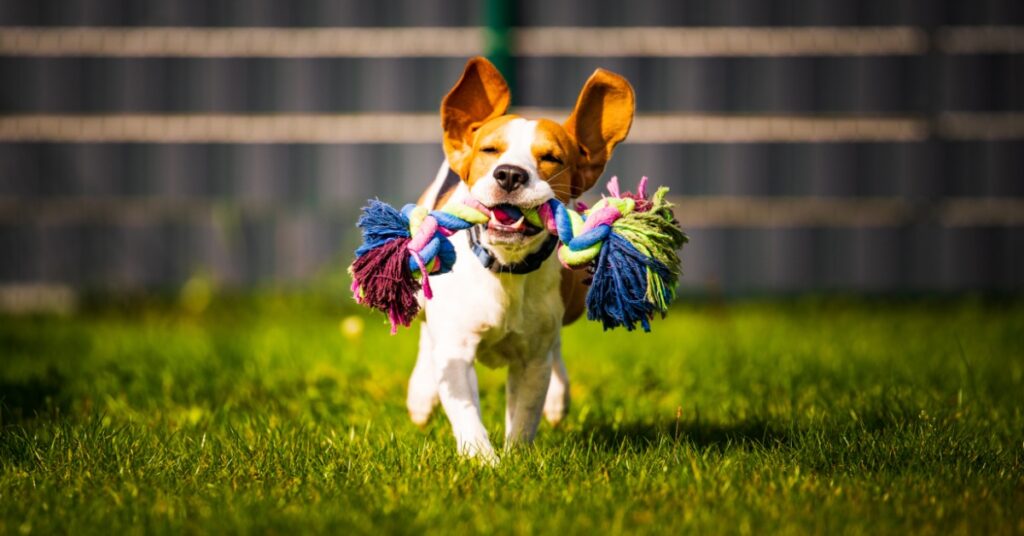
Many active dogs struggle to settle because their bodies have no reliable outlet. Rest becomes difficult after long stretches of unused energy. A young dog sprints through every room after a day stuck indoors. An adult dog paces near the door after hours of boredom.
Dogs rely on physical activity because regular movement supports the body and eases mental pressure. Since most pets won’t choose balanced activity on their own, it’s up to dog owners to shape those habits.
The goal isn’t endless exercise or exhaustion. Finding the best physical outlet for your dog will help improve their daily behaviors and overall well-being.
Why Does Physical Activity Shape Pet Behavior?
Physical activity affects how a dog thinks during the rest of the day. A dog that plays and runs every day has an easier time resting and focusing because the body isn’t demanding a constant release. Energy without direction turns into jumping or frantic play.
Exercise supports emotional regulation. Dogs with social anxiety or high drive benefit from structured movement because the activity gives them a predictable task. Over time, consistent exercise teaches the dog how to work through energy instead of letting their energy take over.
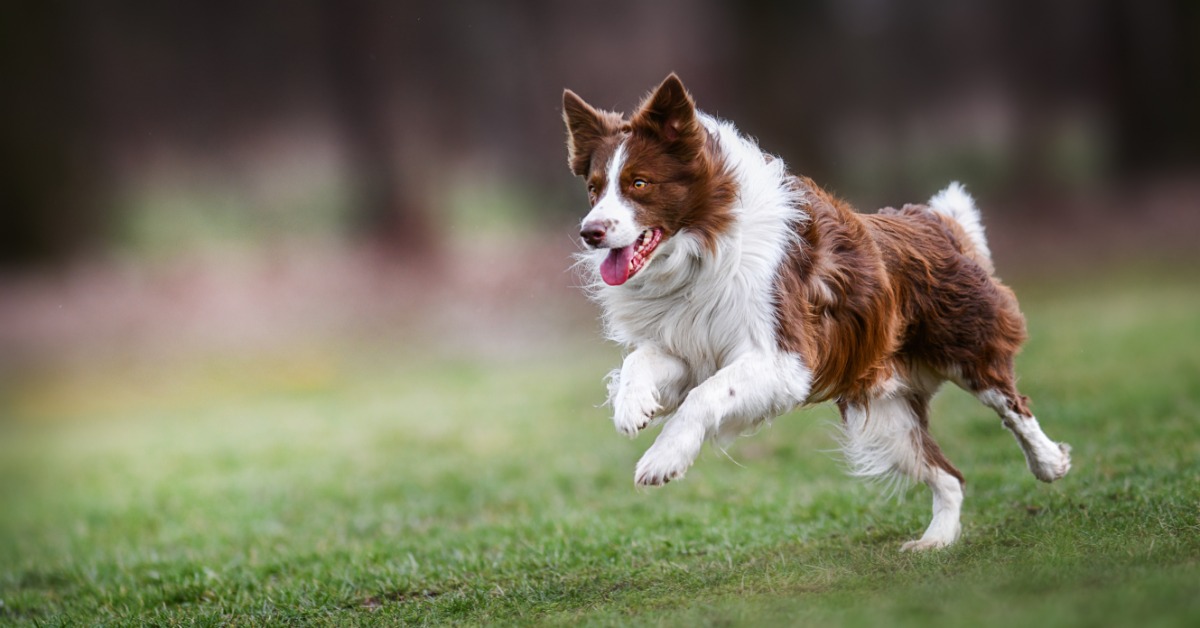
Signs That Your Dog Isn’t Getting Enough Physical Activity
Every active dog shows excess energy differently. Owners should watch patterns across several days because one busy evening doesn’t always prove the routine has failed.
Restlessness Around the House
Does your dog tend to pace or switch resting spots every few minutes? Their body is searching for stimulation because it has no other outlet. Restlessness after meals or before bedtime commonly points to built-up energy.
Jumping
Some dogs like to jump on guests or anytime people walk quickly throughout the house. Others jump when they’re anticipating something new or a meal. This behavior becomes tiresome, but the dog simply cannot contain their energy.
Rough Play
Rough play shows up as mouthing, body slamming, grabbing clothes, or barreling into people when excited. Many active dogs use their bodies intensely because they haven’t learned how to control that energy in close spaces.
Play quickly turns from fun to frustrating, making this behavior overwhelming for every family member in the household. Even when the dog means no harm, the intensity deters family members from playtime.
Barking for Attention
Excessive barking signals a dog asking for stimulation. Some dogs bark at windows because movement outside becomes the only interesting part of the day. Barking can become the dog’s way of creating activity when the day is too quiet.
The dog may bark while the family tries to relax, work, or have a conversation. Over time, the noise creates a tense household because the dog seems alert and unsettled at all hours.
Take Regular Walks
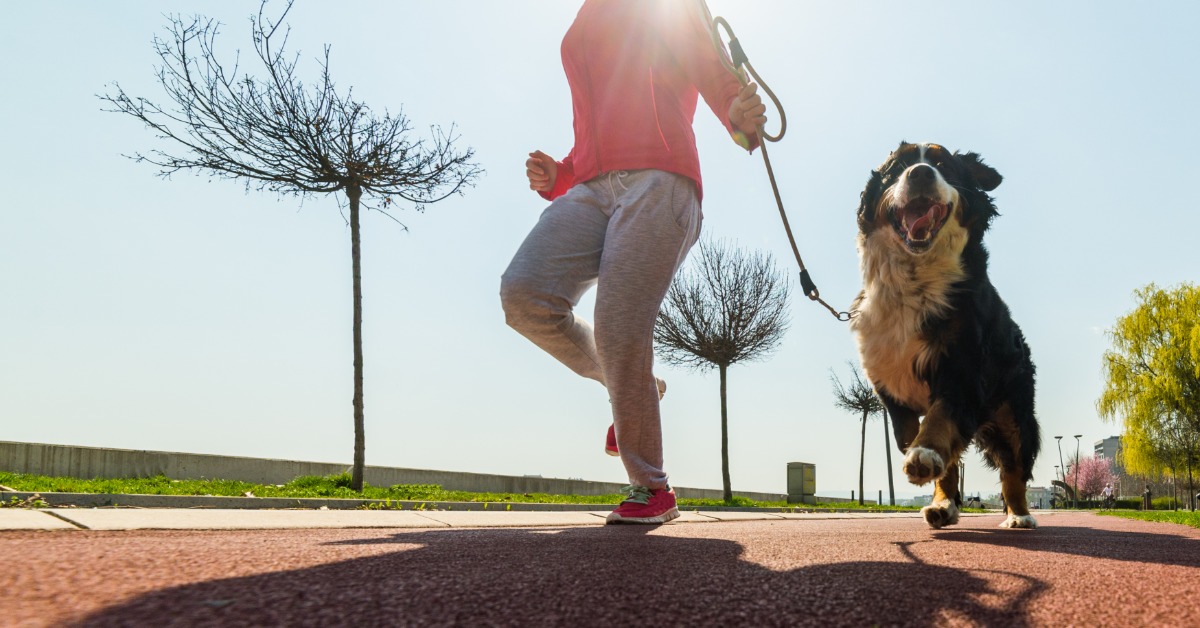
Walks work best when they include structure. Letting the dog pull you toward every smell or passing animal encourages impulsive behavior. A walk that asks the dog to move beside the owner turns movement into training.
Purposeful walks give active dogs physical exercise and mental direction. The dog learns to move through the world with guidance. Over time, walks become more peaceful because the dog understands the expectations.
Add Controlled Play
Play gives dogs a healthy way to use intensity. Fetch and tug can serve active dogs well when owners set rules. The dog should learn how to begin the game and release the toy. The dog should also settle after the game ends.
Controlled play matters because wild play increases arousal without teaching control. A few thoughtful sessions during the week can channel drive into cooperation. The owner becomes part of the activity instead of standing nearby while the dog practices chaos.
Try Hiking and Outdoor Exploring
If neighborhood walks become a little stale, hiking is a fun alternative. The terrain changes naturally engage the body while the fresh scents and sights stimulate the mind.
At least once a month, try to take your dog hiking or to a new outdoor path with varying terrain. It will let your dog release their energy while switching up their routine.
Include Training-Based Movement
Training can become a physical outlet when owners add movement between commands. Place work and recalls ask the dog to think while moving. Heel practice and position changes work well for dogs that become frantic during open-ended play.
A professional dog training camp introduces structured movement in a way that supports obedience and calm habits. At home, owners can continue the same concept through short daily sessions. The dog learns that activity has rules and rewards.
Additional Tips for Healthy Activity
Understand Your Dog’s Breed
Breed traits offer useful clues, but they shouldn’t control the entire activity plan. A German Shepherd may enjoy obedience work because the breed tends to engage well with direction and purposeful tasks.
An Australian Shepherd may appreciate movement that asks for focus because many herding breeds enjoy solving problems while staying active. A doodle may have plenty of energy yet still struggle with busy social settings, so predictable activities can support movement without overwhelming the dog.
Choose Activities That Suit the Dog’s Health
Age, health, and training history shape the plan just as much as breed. A young dog may need frequent chances to move because the body has energy in reserve throughout the day. An aging dog still benefits from activity, but the pace should respect mobility and stamina. Owners should watch how the dog responds after activity because heavy panting, limping, or unusual irritability may signal that the routine needs a gentler approach.
Balance Physical Activity and Rest
Rest belongs in the activity plan because dogs learn from recovery time. A dog that moves and then settles learns how to transition between excitement and calm behavior. Crate time, place work, or quiet time after a walk teaches the dog that relaxation follows effort. There becomes a combination of stimulation and rest with this structured routine.
Find Physical Outlets That Work for Your Dog
Choosing the best physical outlet for your dog is straightforward when you understand their current habits. Start with walking around the neighborhood or playing fetch outside.
If you’re ever struggling to finalize the routine, Innovative K9 Academy is here to help. Our experienced trainers will devise a routine that balances activity, training, and rest. Your dog will have a structured routine and learn basic commands that make activities more enjoyable. Contact Innovative K9 Academy today to learn more about our dog training camp!