
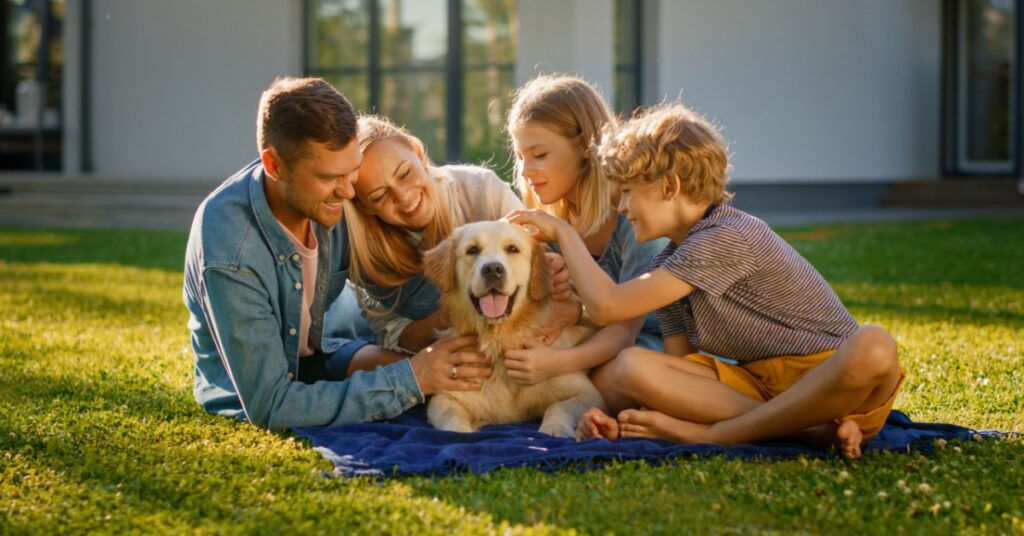
Bringing home a newly adopted dog fills a house with excitement. However, the dog isn’t going to walk through the door with as much positivity. They see strange voices, unfamiliar smells, and zero routine. They might hide or bark because they constantly feel uncomfortable. Helping your new dog adapt to your home will help them feel like a true member of the family.
Calmly Greet Your Dog
Skip the crowded greeting at the door and keep the arrival quiet. Let your dog enter at a steady pace and take in one part of the house before seeing everything else.
Ask family members to soften their voices and slow their movements. Many dogs watch carefully before they approach. A puppy may recover fast after a surprise, but an adult dog may study every sound and gesture before letting its guard drop.
Create a Safe Resting Area
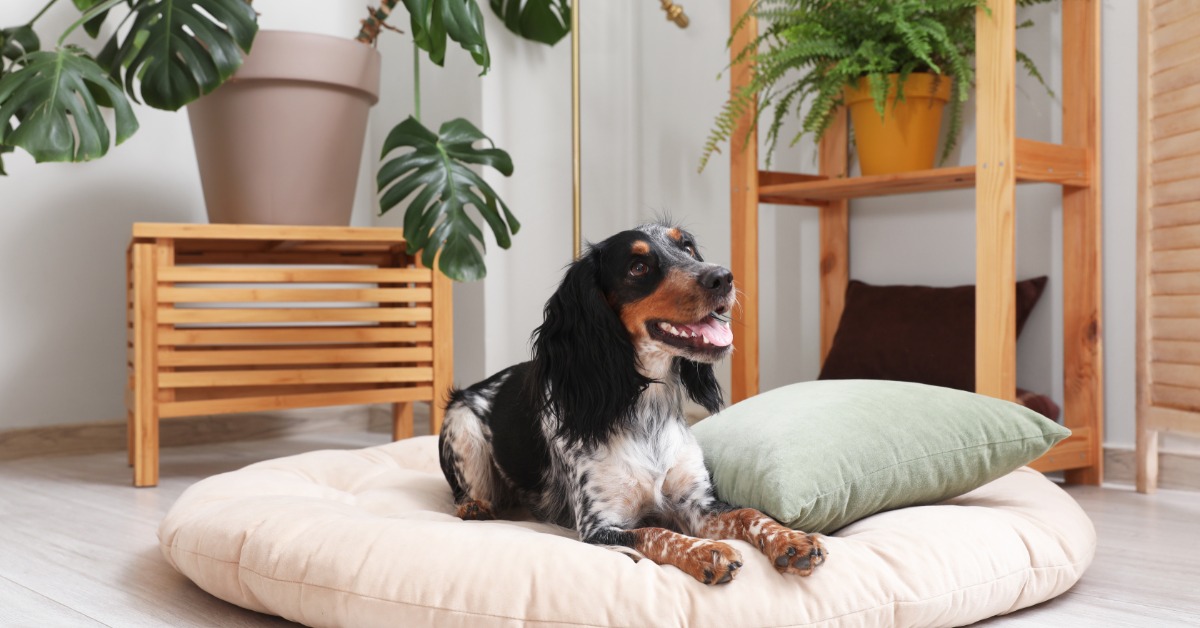
Every new dog benefits from one quiet spot. A dedicated resting area lowers stimulation during the adjustment period. It supports house training, prevents wandering during hectic moments, and gives your dog a reliable place to decompress.
The area might be a crate, an exercise pen, or a cozy corner with a dog bed. Just make sure the place is a good distance away from foot traffic. Dogs need a safe space to settle down without constant interruption.
For a puppy, it encourages naps and breaks between bursts of activity. For an adult dog, it offers relief from tracking every sound in an unfamiliar space. Use this spot during peaceful moments, never for punishments. An area tied to rest and security will ease your pup’s mind.
Control Introductions
Don’t rush introductions; your dog doesn’t have to meet every visitor, neighbor, or extended family member right away. Too much attention too soon pushes a dog past its comfort level.
Dogs communicate their emotions through body language. Take signs of lip licking, frantic jumping, and hard staring seriously.
Watch Stress Signals Closely
Some dogs respond to stress by shutting down. Others pace, mouth, or whine. Those behaviors may look like disobedience on the surface, but they reflect tension, uncertainty, or fatigue.
Track patterns during the first two weeks. Notice when the dog struggles the most. Is it after walks or during busy household activity? Paying attention to these details will point you toward the root issue.
How To Respond to Stress
When stress worsens, alleviate the pressure. Reduce stimulation, return to a familiar routine, and guide your dog toward rest. Skip unnecessary outings when your dog already seems overwhelmed at home. A calm reset tends to work far better than pushing through a rough moment.
This step carries extra value for sensitive breeds and newly adopted adult dogs whose history remains unclear. A dog who looks stubborn may actually require a quieter plan and slower pacing. Early adjustment on your part can prevent small struggles from turning into daily conflicts.
Develop a Consistent Routine
Dogs settle faster once daily life becomes easy to read. Try to go to bed at roughly the same time every day. Set a schedule for feeding times, so they don’t start to stress over when they’ll eat their next meal. Predictability cuts confusion because your dog learns they can rely on you.
Set House Rules Early On
Some owners hold off on boundaries until a dog seems settled. The truth is that early structure is an effective dog training approach. Dogs relax when they have consistent, clear rules to follow. They don’t want to sort out expectations through repeated mistakes.
Decide from day one where your dog sleeps, whether furniture is off limits, how greetings should happen, and what door manners belong in your home. Then, stick to these choices. Over time, your dog will develop into a well-behaved furry friend.
Establish a Potty Training Routine
Bathroom breaks are another component that needs to have a routine. Whether you adopted a puppy or an adult dog, they need to learn when and where to go, so accidents don’t happen.
Puppies require frequent bathroom trips. A very young puppy may have to go out after waking, after eating, after play, and before bed. Miss those windows, and the dog will go in the middle of the living room. Owners may read accidents as defiance when, truthfully, timing is the issue.
Adult dogs hold their urges to go potty longer than pups. However, a newly adopted adult may still have accidents during the first few weeks. They may not know where to go or how to signal at the door. Guiding dogs through the bathroom break process while sticking to a timely routine will reduce the risk of accidents.
Use Food for Teaching
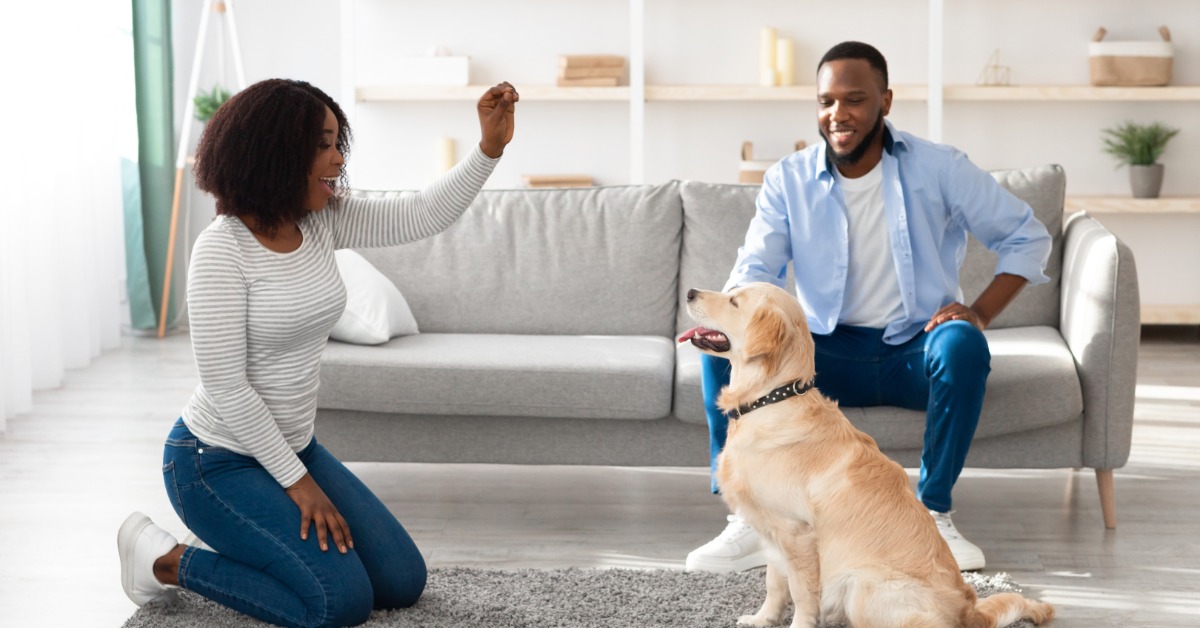
Food can speed up learning during the first days at home, but random treats won’t teach many skills. Reward actions such as settling on a mat and sitting when a guest enters the house.
This approach works especially well for shy dogs. A worried adult rescue may choose distance at first, so food gives that dog a reason to engage without pressure. For puppies, food channels busy energy into short lessons they’ll remember because of the positive outcome.
Reward the Exact Moment
Positive reinforcement works best when dog owners give treats at the appropriate time. Reward the behavior the instant it happens, so they link the reward to the action. If your dog lies down calmly and you wait too long, the lesson loses clarity.
You don’t have to reward every second of the day. Pay attention to what your new pup struggles with learning, and reinforce those behaviors. Your dog will only improve with time.
Know When To Call a Pro
Some adjustment issues fade through routine and time. Others call for skilled support. Reach out to a qualified trainer if your dog shows intense fear, resource guarding, separation distress, or serious reactivity. Early guidance can stop those patterns from taking root.
Professional support can be especially useful for strong breeds, anxious dogs, and owners who adopted after a frustrating past experience at another program. Good coaching gives you a clear plan, sharper timing, and practical steps tailored to your dog.
A Steady Start Changes Everything
A household will never be perfect when bringing home a new dog. It’s up to you to ease their nerves and establish a routine that helps your dog adapt to the home.
Trust between a dog and their owner will grow every day with consistent actions and a little love. But, if you’ve been struggling during this adjustment period, know that structured dog training classes are available.
The trainers at Innovative K9 Academy create a routine that makes dogs feel comfortable and helps them retain new information. No matter your new dog’s age, they will come home knowing how to follow commands and interact with dogs and humans. Sign your dog up for our boot camp to make this transition seamless for the whole family.