
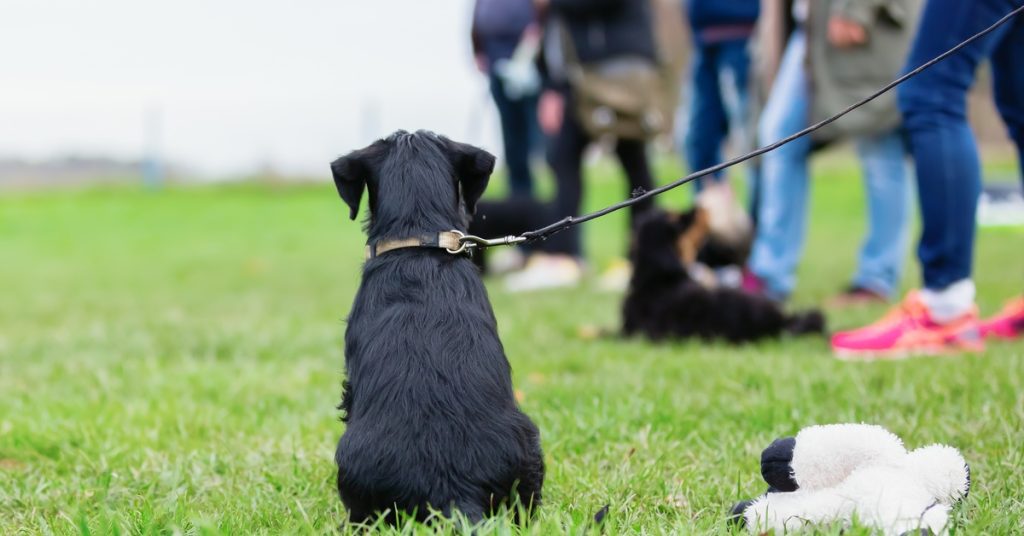
Bringing home a new puppy is exciting, but those early weeks can turn stressful when the puppy barks at strangers, freezes because of new sounds, or explodes with energy around other dogs. Those reactions don’t mean a puppy has a bad personality. All they need is a little support as they take in the new world.
Random interactions at the park aren’t enough to make your puppy more confident in their surroundings. A few essential techniques will teach your puppy socialization skills. Here are the approaches to help your adorable pup learn how to navigate people, dogs, places, and routines without fear or overexcitement.
Build a Connection With Your Pup Early On
Socialization works best when a puppy wants to check in and follow directions. Engagement means the puppy chooses the handler over distractions, even when something exciting appears nearby.
Begin at home with short sessions that reward eye contact, following your movements, and quick responses to commands. Move training from a quiet room to the backyard, then to the driveway. This progression teaches the puppy that attention pays everywhere, not only in one familiar spot.
Use food to serve as positive reinforcement, and incorporate your dog’s favorite toy to maintain an energetic environment. End sessions while the puppy still feels motivated rather than tiring them out. They’ll have a positive experience in each subtle training session.
Teach Calm Greetings
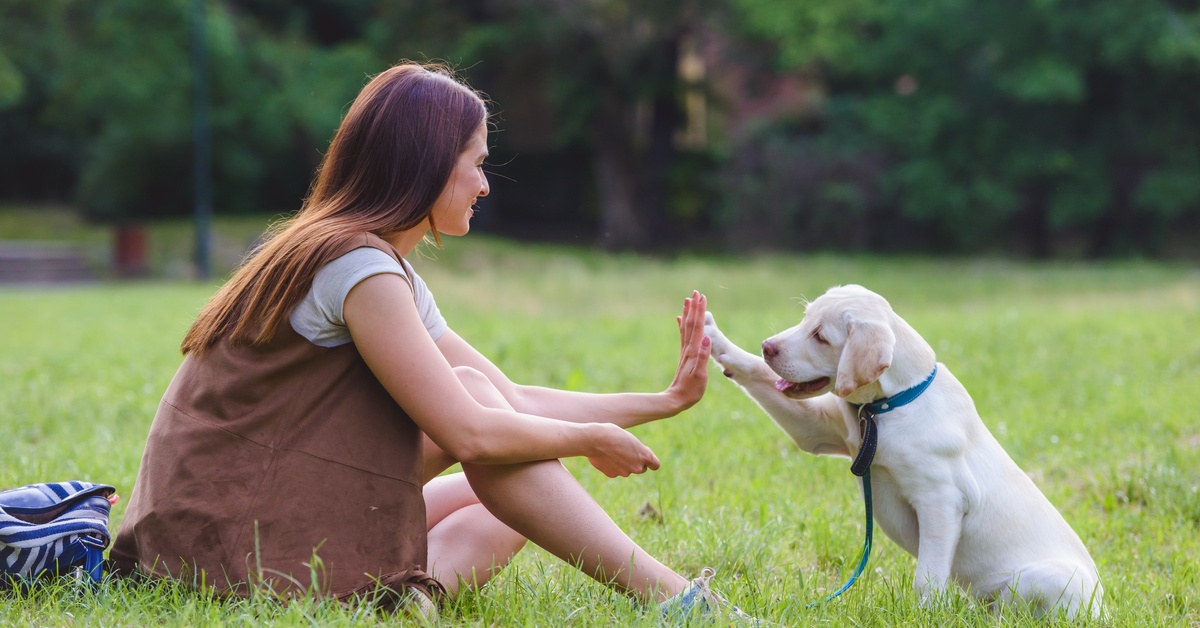
Many new owners assume socialization means letting everyone pet the puppy. That approach can overwhelm sensitive puppies and create pushy greeting habits in confident ones. A calm technique teaches polite behavior first, then allows social access as a reward.
Ask new people to ignore the puppy at the beginning of the interaction. Let the puppy approach when ready. Reward calm choices such as four paws on the floor and a relaxed posture. If your puppy is jumping or mouthing, step back and reset the greeting. They’ll discover that self-control, not frantic behavior, earns attention.
Some dogs are nervous around different people. In the early days, expose your puppy to a variety of individuals. Viewing people of different ages, heights, voices, and clothing styles—from hats to sunglasses to backpacks—will make them feel more at ease when people approach.
Teach Neutral Dog Skills
Healthy socialization doesn’t require constant dog play. Puppies need to figure out how to exist around dogs without obsessing over them. Neutral dog socialization teaches the puppy to notice a dog, remain calm, and reengage with the handler.
Skip crowded dog parks where unknown dogs rush into a puppy’s space. It’s best to start with a calm dog you’re already familiar with.
Position the puppy far enough away that they can look at the other dog without pulling, barking, or spinning. Hand them a treat while they focus on their handler. Gradually close the distance over multiple sessions. Your puppy will grow up with great leash manners and be less reactive to new dogs.
Improve Leash Manners Outdoors
Leash training counts as socialization because it teaches a puppy how to move through the world with structure. A puppy that drags a handler from smell to smell struggles to learn calm behavior around people and dogs.
Work in low-distraction areas at first, like quiet sidewalks or empty parks. Reward the puppy for staying near and for choosing to follow. Change direction frequently so the puppy watches the handler instead of charging forward.
If the puppy hits the end of the leash, stop and wait for slack, then continue. Consistency builds clarity and prevents pulling from becoming the puppy’s default strategy.
Gradually Introduce New Sounds
Many adult dog behavior problems are linked to a fear of everyday noises. Sound socialization teaches a puppy to handle life sounds without panic.
Play recordings of traffic, thunderstorms, fireworks, and household sounds at a soft volume while the puppy eats or plays. Pay attention to their body language. If the puppy freezes, startles hard, or tries to escape, lower the volume or increase the distance from the sound source.
Pair real noises with rewards, too. Turn on the vacuum briefly while tossing treats away from the machine. Close a door gently, reward, then repeat with a slightly louder closing sound. Your dog might jump a little bit, but the noise won’t put them in distress.
Develop Handling Confidence
Puppies need to accept touch from family, veterinarians, and groomers. Handling socialization teaches the puppy that touch feels predictable, safe, and rewarding. Start with light pressure and calm energy.
Touch one body part, reward, then stop. Rotate between ears, paws, collar area, tail, and mouth. Add gentle restraint in small doses, so the puppy relaxes when held.
A good tip is to introduce grooming tools as soon as possible. Let your pup sniff the comb, nail clippers, toothbrush, and more before using them. As they investigate the tool, reward them with a treat. After a few days of this, the puppy will feel at ease when it comes time for grooming care.
Explore New Environments Safely
A puppy needs experience in many locations, but the experience must be productive. Location socialization means teaching the puppy to observe, relax, and follow cues in new environments.
Rotate places that offer different surfaces and sights. Practice on grass, gravel, sand, concrete, slick floors, stairs, and ramps. Visit pet-friendly stores that allow calm training. Spend time near playgrounds, light traffic, and parking lots. Keep the puppy under threshold so the puppy can eat treats and respond to simple cues.
Use a consistent routine at each new location:
- Begin with a brief engagement warm-up.
- Walk around and reward calm check-ins.
- Pause and let the puppy observe their surroundings.
- End the outing on a positive experience, like rewarding with a treat.
Teach Calming Strategies
Many owners focus on outings but forget the skill that makes outings work. Puppies are naturally energetic, and many exterior factors that stimulate their minds and make them hyperactive. If they never learn how to relax, they become stuck in constant arousal. That pattern makes greetings messy and public training frustrating.
In a quiet space at home, teach your dog to settle on a bed or mat. Reward them for lying down and staying calm.
Next, practice staying calm as you’re going about your normal household activities. Use chew items or food scatter sessions to encourage calm sniffing and decompression. A puppy that knows how to settle down learns faster because the brain stays available for learning.
Balance Exposure and Structure
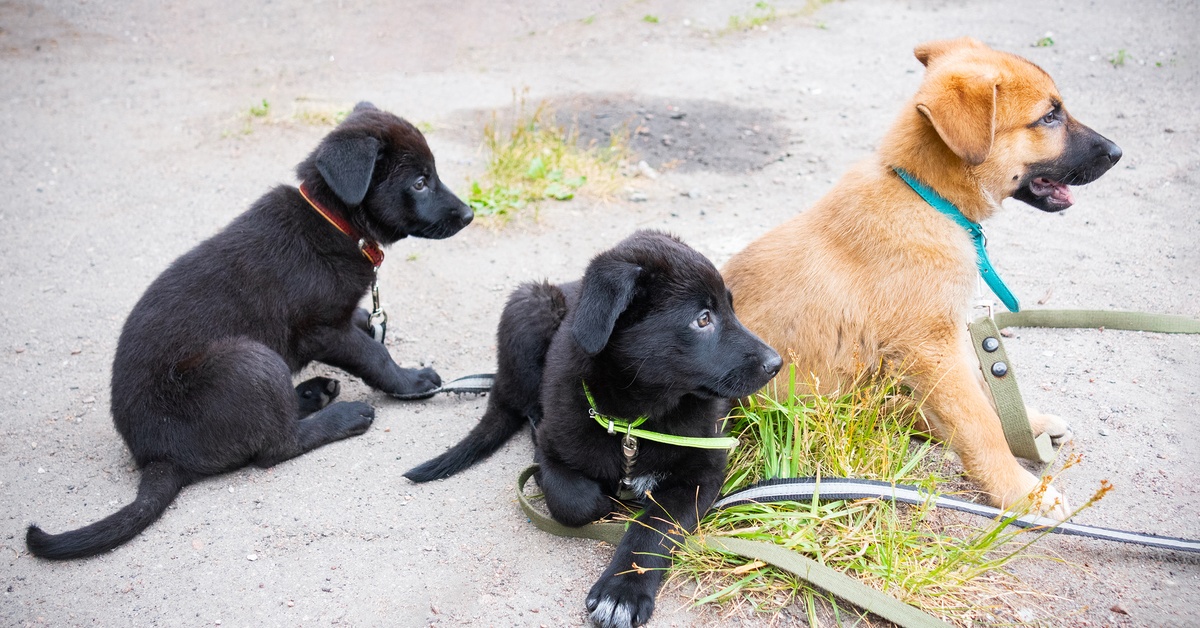
Socialization skills will strengthen as your puppy grows when you implement these essential techniques. Early stages focus on positive exposure and engagement, while later stages require more impulse control and reliability around distractions.
A puppy may feel confident at 12 weeks, then act distracted or pushy during adolescence. That change doesn’t signal failure. It signals a need to tighten structure and reinforce calm habits.
Use social outings as controlled training sessions. Practice quick check-ins, short heel moments, and calm pauses around distractions. Increase difficulty in small steps. If the puppy struggles, take the intensity down a notch and reinforce their confidence through easy wins. The approach will engage your pup, prevent confusion, and make them feel comfortable and calm in various environments.
Teach Your Puppy the Skills They Need
A confident adult dog comes from steady exposure, clear structure, and careful progression through people, dogs, places, handling, and sounds. Puppy obedience training is a wonderful way to establish good habits.
Innovative K9 Academy will help your dog socialize with dogs and people. Then, once the training session is complete, our trainers will work with you to implement commands and your puppy’s new habits at home. Fill out our form to learn how our structured training program will strengthen your pup’s confidence and obedience.