
Dogs fill homes with joy and laughter. Bringing another pup into the existing family dynamic is an exciting thought, but not every dog will be best friends right away. Some dogs become suddenly possessive, jealous, or rough.
All it takes is introducing a new dog to your pack slowly and calmly. Dogs need space to observe, move, and gather information without pressure. Before bringing your new dog through the front door, devise an approach that gradually introduces the dogs and makes them feel at ease with the new family member.
Pick Neutral Ground
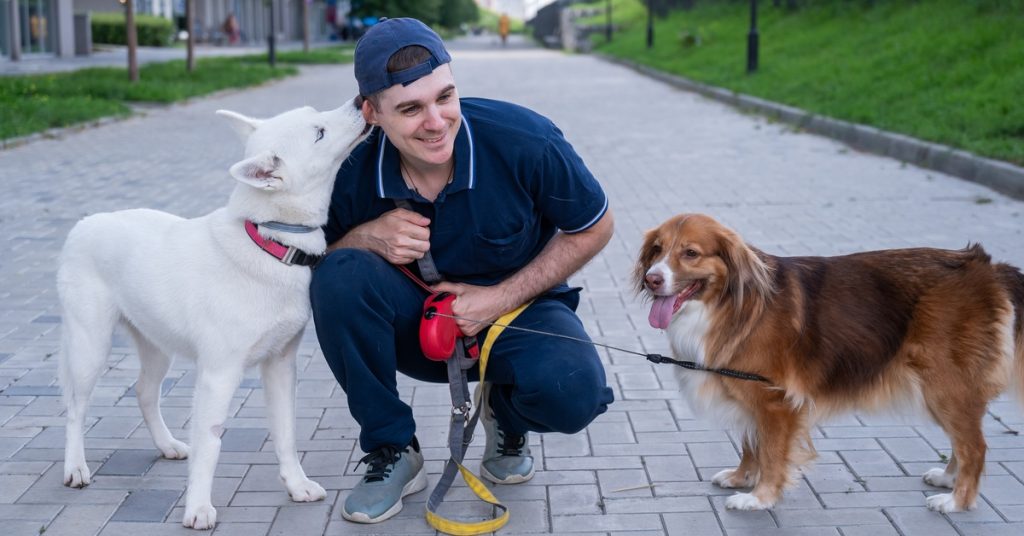
The first meeting should happen in a neutral location, not inside the home. A quiet street, open park space, or training field works better than a living room or backyard that the resident dog may view as personal territory.
Keep both dogs on leash with a few feet of space between them. To maintain a relaxed environment, walk in the same direction instead of moving straight into face-to-face contact. Parallel walking lowers pressure and gives the dogs something simple to do together.
Watch for loose bodies, soft eyes, natural tail movement, and interest without fixation. Slow things down right away if either dog stiffens, stares, freezes, lunges, barks, or growls. A calm first interaction is the best way to build a strong relationship.
Keep the First Meeting Short and Sweet
The first interaction doesn’t need to prove that the dogs will become best friends. It only needs to show that they can share space safely and calmly.
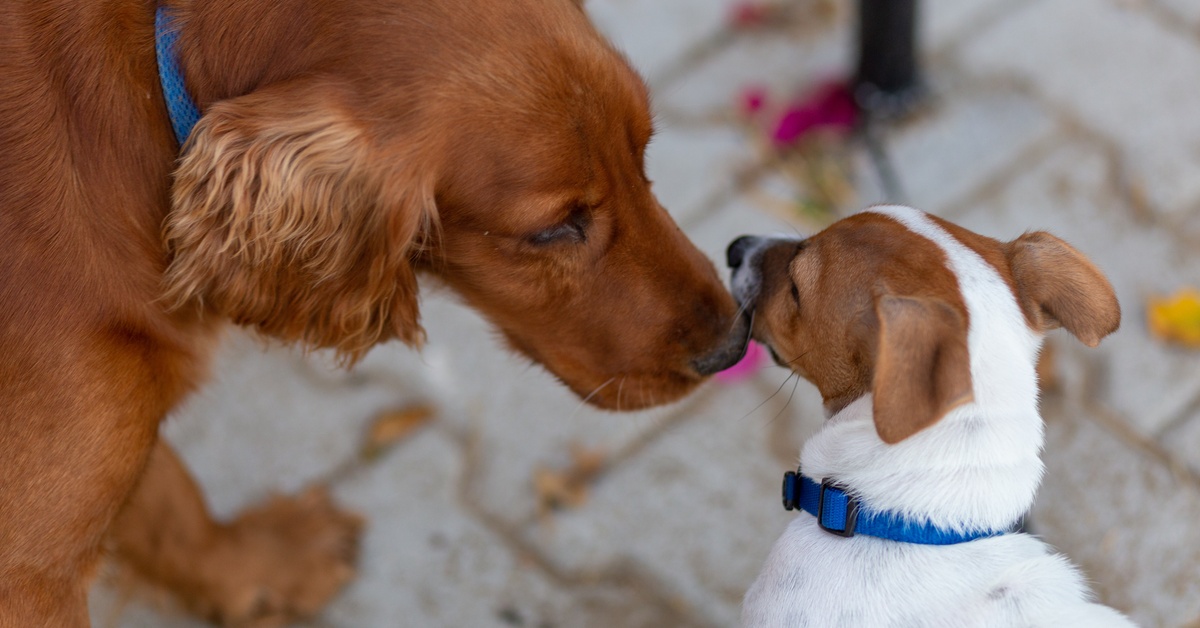
After a few minutes of parallel walking, let the dogs curve toward each other for a brief sniff. Then, call them apart and keep moving. This short pattern prevents tension from building.
Repeat several short greetings instead of one long, intense interaction. Ending early leaves both dogs in a better emotional state and makes the next meeting easier. Many owners progress faster when they stop before overstimulating both dogs.
Reward Calm Behavior
Positive reinforcement gives dogs clear feedback during introductions. When a dog looks at the other dog calmly, checks in with the handler, or walks politely nearby, mark that moment with praise, food, or a favorite toy.
Rewards should support the behavior that owners want to see again. Calm observation, soft body language, and easy disengagement deserve immediate feedback. This teaches each dog that being near the other dog leads to good outcomes.
Remember that timing is extremely important. Reward your pet before their excitement escalates. When dogs stay under the threshold, they learn quickly and recover easily from small stressful moments.
Watch Each Dog’s Body Language
Subtle signs tell a more accurate story than wagging tails alone. A comfortable dog will move loosely, relax their mouth, bow playfully, or sniff the other dog briefly. On the other hand, dogs who feel uneasy will hover, hold intense stares, exhibit chin-over-shoulder posture, pin their ears, or tuck their tails.
There’s no need to rush and label every tense moment as aggressive behavior. Some dogs simply feel unsure and need more time, distance, and structure to determine their emotions. Keep a close eye on your pets, so you can respond with calm direction.
Make Sure the Home Environment Is Calm
After successfully tackling positive meetings outside of the home, it’s time to bring the new dog home. However, the environment should have a separate format.
Avoid pushing the new dog into every room right away. Start with a small, manageable area where both dogs can settle down. Quiet supervision helps more than constant excitement or attention.
Remove high-value items first, including food bowls, bones, favorite toys, and beds that may trigger guarding. Walk the dogs together outside the home for a few minutes before going indoors. Then, bring them in calmly, one step at a time. Keep leashes on at first if that guides movement and prevents crowding.
Use Crates and Barriers
Management tools make introductions safer and less stressful. Baby gates, crates, and exercise pens offer space without completely isolating the dogs.
These tools help dogs rest, observe, and adjust to each other in small doses. They reduce the chance of conflict during meals, high-energy periods, and busy household routines. Plus, it’s a way for owners to prevent disagreements instead of reacting to issues.
Structured separation does not mean failure. It gives the relationship time to develop at a pace both dogs can handle. Many homes benefit from this approach during the first several days or weeks.
Build Stable Routines
Dogs settle faster when daily life feels predictable. Feed them separately, walk them with structure, and create regular quiet periods throughout the day.
Do not force constant interaction. Some dogs bond through shared activity and rest near each other long before they choose direct play.
Short training sessions help both dogs focus on each other. Practice place work, recall, leash walking, and calm waiting. Dog boarding and training programs are an amazing resource to help both dogs socialize, feel comfortable with a routine, and connect when they return home.
Prevent the Most Common Introduction Issues
Most introduction problems come from rushing, crowding, and too much freedom too soon. Owners may be tempted to see whether the dogs will work it out on their own, but that choice leads to setbacks.
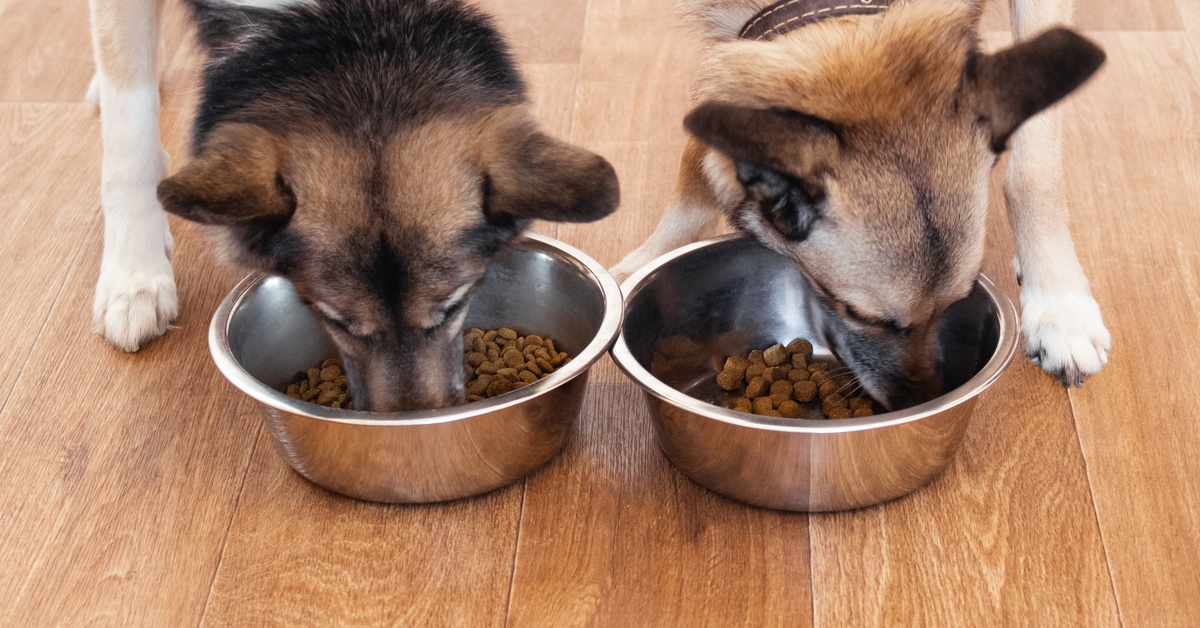
Supervise food time carefully. Give each dog private space to eat and enjoy their meal. Interrupt rude behavior early, before it escalates into guarding or correction from the other dog.
Pay close attention during exciting moments, such as returning home, greeting visitors, and going into the yard. Those transitions raise arousal and turn small problems into serious issues. Calm routines and clear direction keep those moments under control.
Know When To Slow Down
Some dogs adjust to a new dog within days of meeting, while others need several weeks of slow introduction. Measure their progress by relaxed behavior rather than speed.
Slow down if one dog avoids the other, guards space, shadows the owner, or becomes too fixated. If play stays one-sided or if either pet struggles to disengage, reset the interaction. Increased distance and structure are better than pushing forward.
Professional help makes sense when tension keeps rising or when a dog has a history of fear, reactivity, or conflict with other dogs. Skilled guidance protects both dogs and gives owners a clear path forward.
Cultivate a Peaceful Living Environment for Every Dog
Thrusting a new dog into the home without any preparation is a mess waiting to happen. Introducing them to your pack will help your dogs form a good relationship.
For owners who want expert support, Innovative K9 Academy can help shape safe introductions, better social skills, and improved household manners. Whether the challenge involves a brand-new adoption or a dog that needs more confidence around other dogs, our team will build a training plan that helps both dogs settle in successfully.