
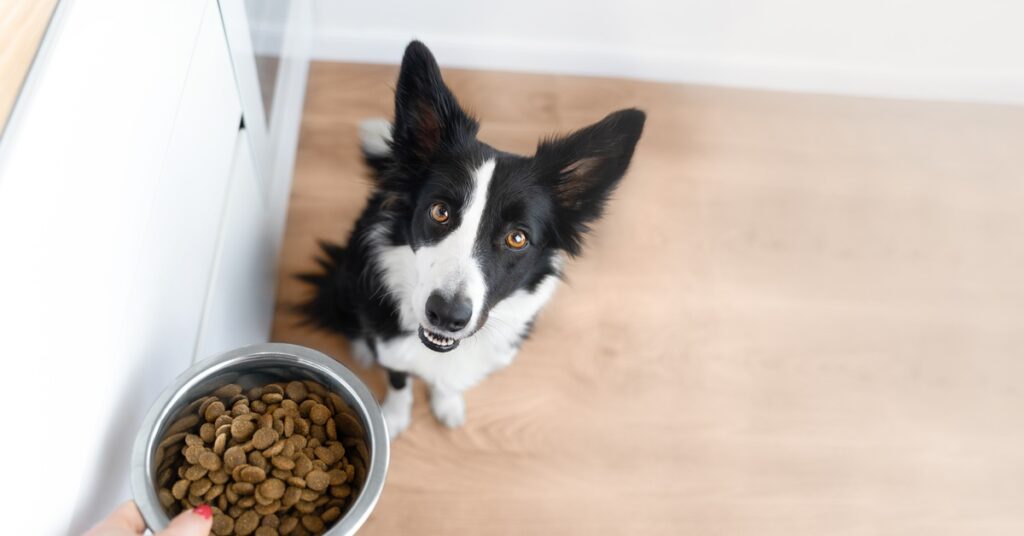
Watching your dog growl, stiffen, or snap when a bowl hits the floor is frightening. You don’t want to fear for your own safety or the safety of kids, guests, and other pets. Owners are unsure about what to do next to help their dog.
Several factors could cause food aggression in dogs, but how do you resolve it? The answer comes down to learning what triggers the behavior, changing the dog’s emotions around food, and establishing boundaries.
What Food Aggression Looks Like at Home
Food aggression shows up as guarding behaviors around meals, treats, chews, or dropped food. Common signs include a hard stare, freezing over the bowl, eating faster, hovering over food, growling, snarling, snapping, or charging toward someone who approaches. Some dogs guard only from other dogs, while others guard from people.
1. Insecurity From Past Food Scarcity or Competition
Dogs may guard food because they learned that food disappears when others approach. Multi-dog homes, shelters, rescue situations, and environments where animals compete for resources cause aggressive behaviors as they try to prevent the loss of food.
Solution: Teach Food Security
Begin by removing pressure around food while building trust in structured sessions. Feed the dog in a quiet space away from other pets. Use a baby gate or close the door during meals to stop accidental approaches.
Next, practice bowl neutrality by placing an empty bowl down. Walk away, and return to drop a treat in the bowl. Leave again, so your dog doesn’t feel on edge.
After the dog relaxes during approaches, introduce a simple trade routine with a higher-value reward. The goal is for the dog to expect good things when someone comes close.
2. Learned Guarding From Accidental Reinforcement
Many owners unintentionally teach guarding. Reaching into the bowl, grabbing a chew, or hovering over a dog can trigger a warning. If the person backs away when the dog growls, the dog learns that growling keeps people away. The behavior works, so the dog repeats it.
Solution: Build a Trading Habit
Trade routines reduce conflict and create predictable outcomes. Offer a higher-value item, then wait for the dog to release the current item. Once the dog releases, calmly pick up the guarded item, then return it or offer a different reward.
Keep the dog on a leash, if needed, to protect yourself. The goal isn’t to test the dog. Simply rehearse a pattern where giving up an item pays well.
3. Anxiety Around Handling or Proximity
Some dogs feel uneasy when people lean over them, touch them, or reach for their faces. Food adds intensity, and the dog reacts defensively. This shows up often with dogs that missed early handling practice or had rough experiences with hands near their resources.
Solution: Pair Handling With Calm Rewards
Build comfort with gentle, structured handling away from meals first. Start with a brief touch on the shoulder or chest. Follow up with an immediate reward.
Keep touch light and short. Be sure to stop before the dog tenses. Now, you can gradually work closer to touching their neck and head.
When your pet remains relaxed during handling, practice the same pattern near the feeding area before meals, not during eating. That timing reduces pressure and keeps progress steady.
4. High Arousal and Poor Impulse Control
Some dogs rush into meals with intense excitement. Interrupting them triggers a sharp response. This pattern shows up in energetic breeds and young dogs that haven’t learned how to settle down around food.
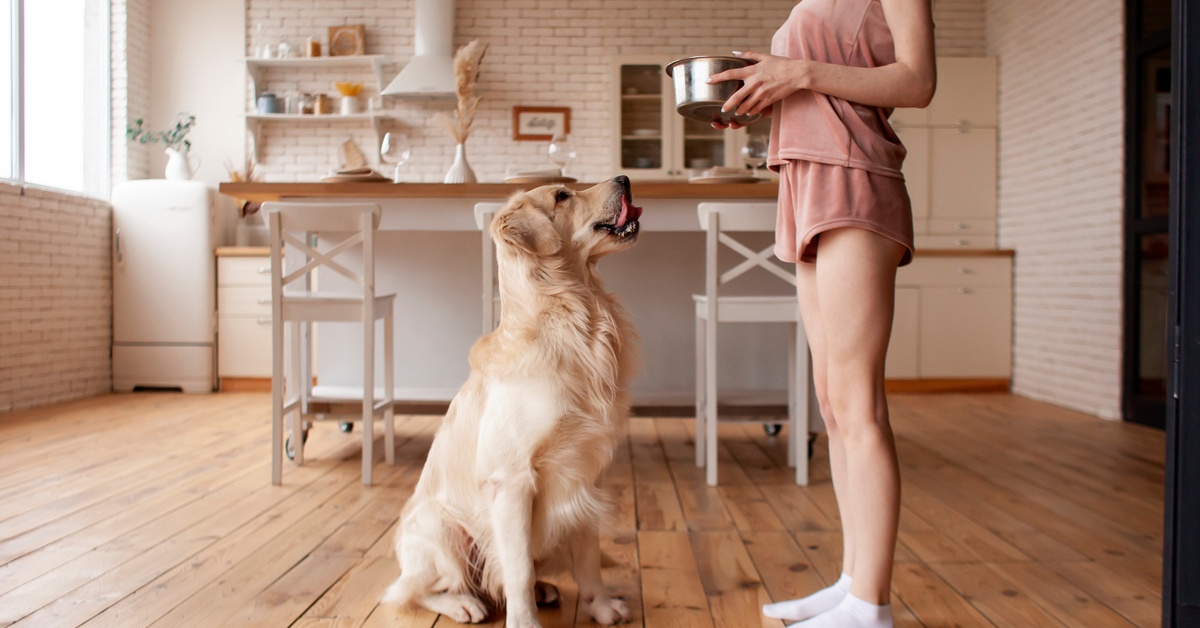
Solution: Follow Commands Before Setting Down the Bowl
Impulse control around meals teaches the dog to stay calm and predictable.
- Ask your dog to sit.
- Maintain eye contact and place the bowl down.
- If the dog breaks position, lift the bowl and reset without scolding.
- Reward calm waiting by placing the bowl down only when the dog holds the position.
Keep sessions short and consistent. Over time, the dog learns that calm behavior brings food, and frantic behavior delays it.
5. Pain Or Medical Discomfort
Just like humans, dogs act out of character when they’re in pain. Dental issues, neck pain, arthritis, or stomach discomfort could make your pet defensive around food. Their vulnerable state may cause them to brace, hunch, or react sharply when someone comes near.
Solution: Rule Out Health Issues and Reduce Pressure
The first step is to schedule a veterinary exam. It’s best to make sure your pet isn’t suffering from an underlying health condition.
In the meantime, feed your pup in a quiet, separated area. Make sure that adults, kids, and other pets don’t approach during meals.
After addressing any health concerns, maintain these new habits. Being cautious will make sure you don’t make your dog feel uncomfortable or injure yourself. Training tends to move faster because the dog feels more at ease.
6. Tension in a Multi-Dog Household
Dogs may guard food from other dogs, even when they show no guarding tendencies toward people. Competition can show up during meals, treats, chews, food puzzles, or crumbs on the floor. Dogs may bend down, block pathways, or stare each other down.
Solution: Manage Resources and Train Separately
Separate dogs during meals and high-value chew time. Pick up bowls and leftovers after feeding. Then work on calm neutrality.
- Teach each dog a “place” command and reward calm staying.
- Practice passing by each dog with treats while both dogs remain in place.
- Reinforce calm behavior before allowing any shared space around food-related areas.
7. Confusion About the Rules
Stress greatly affects a dog’s behavior, and inconsistent rules around feeding times might make dogs feel uneasy.
A dog may guard because boundaries change from person to person. One family member hand-feeds, another takes bowls away, and another allows the dog to eat near the kids.
Solution: Set One Simple Plan Everyone Follows
Try finding a consistent routine that every family member will follow. Consistency reduces uncertainty and lowers guarding intensity.
Choose one feeding location and one method. For example, everyone should place food directly into the bowl rather than hand-feed them. Make sure no one removes the bowl or tries to touch the dog while they’re eating. Clear routines help the dog predict what happens at meals, which diminishes defensive behavior.
8. Punishment That Increases Defensive Behavior
If someone punishes a growl, the dog may stop warning and go straight to a snap. Growling is a communication method. The goal is to change the dog’s feelings and habits rather than remove warning signals.
Solution: Respect the Warning Signs
When a dog growls, increase your distance. Wait for them to calm down. Then, you can reward their behavior once they present calm body language. If your pet shows intense reactions, work with a qualified trainer who understands balanced training and safety handling.
Help Your Dog Overcome These Challenges
Helping your furry friend feel comfortable again is your priority, but don’t forget to protect yourself and your family’s safety throughout the process. Not every pet parent can find a solution for the causes of food aggression in dogs. It’s okay to ask for help!
If the behavior feels unpredictable or escalates, don’t wait for a bite to happen. Reach out to K9 Academy to schedule an evaluation and start working on a training plan. Our experts work with numerous dog breeds that have aggressive tendencies. We use positive reinforcement and consistent corrections to teach them new commands. Your dog will learn how to feel comfortable around humans and other dogs.
By the time they come home, they’ll be ready to follow their new routine with your support. Contact us today to find out how we can help your dog with our balanced training program.