
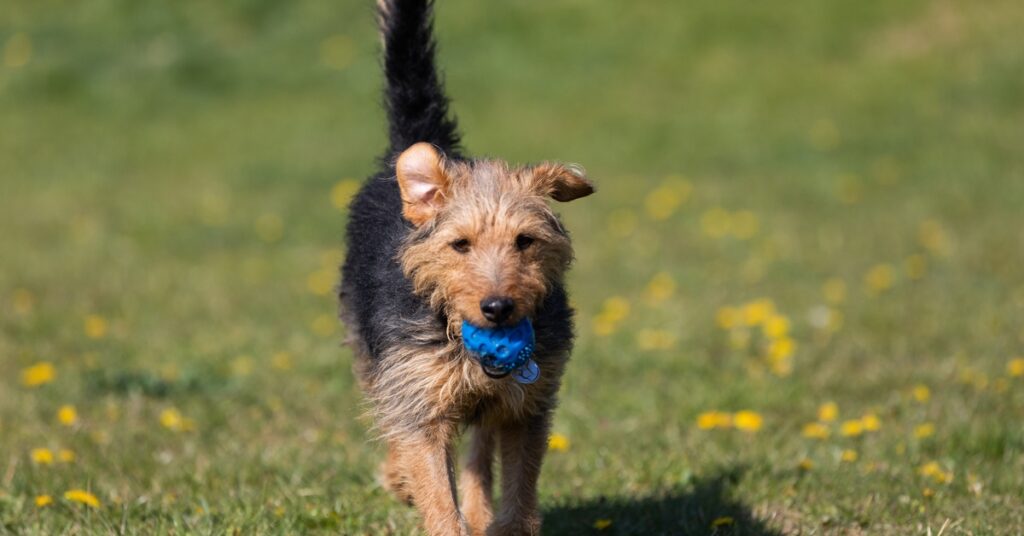
Every dog owner knows that sinking feeling when the leash unclips, and the pup runs off after spotting a squirrel. They blissfully ignore your desperate pleas for them to come back.
It’s important to train your dog how to return when called to keep them safe. The skill requires patience, consistency, and a deep understanding of what motivates your pet.
The Foundation of a Reliable Recall
Choose Your Recall Cue Wisely
Many people ruin their recall word by using it when they are angry or when they plan to do something the dog dislikes, like giving a bath. Pick a distinct word or whistle that you will use only for coming to you. Common choices include “Come,” “Here,” or a particular whistle tone.
Once you choose it, protect it. Never use this word to scold your dog or end their fun negatively without a reward first. If you have poisoned your old cue by overusing it without results, pick a new one and start fresh.
Establish a Reward System
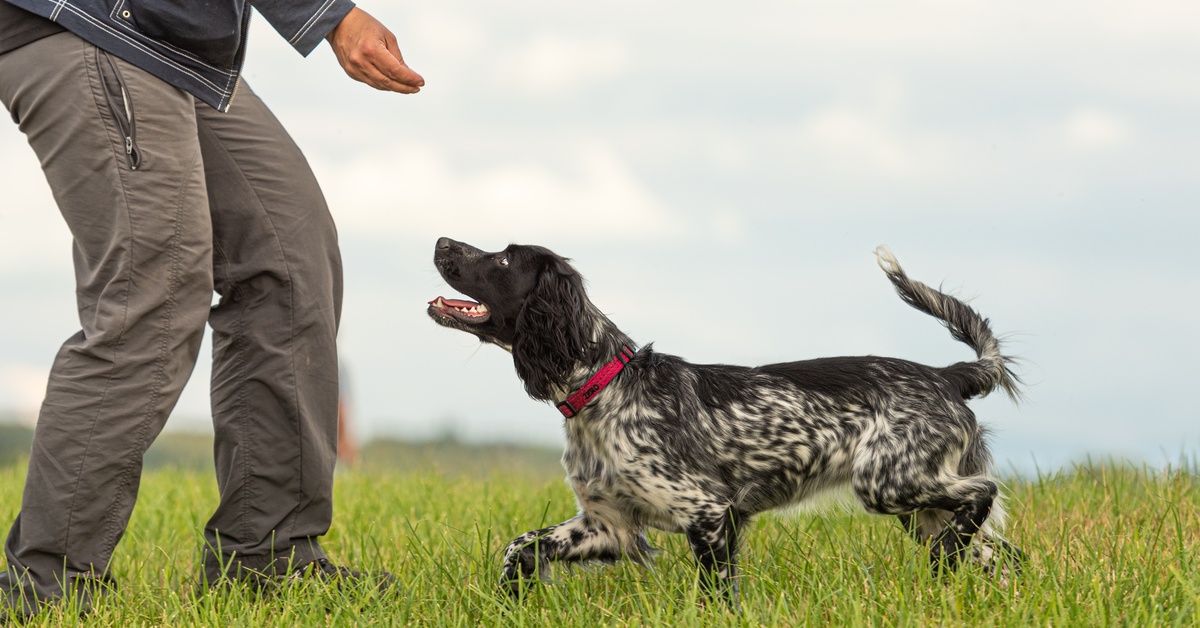
Positive reinforcement is one of the best ways dogs learn. You need to become a vending machine of high-value rewards for skills to stick. Use treats that smell strong and taste amazing, like real chicken, cheese, or freeze-dried liver.
Don’t be stingy during the learning phase. When your dog responds to the cue, throw a party! Cheer and give your pup a jackpot of treats. They’ll learn that running to you is the best decision they can make.
Build Value in Proximity
Before asking your dog to come from a distance, teach them that being near you is rewarding. It forms a magnetic effect where your dog naturally checks in with you.
The Name Game
Start simply by saying your dog’s name. When they look at you, mark that moment with a “Yes!” or a clicker and give a treat immediately. You want their head to whip around the second they hear their name.
Practice this inside your house with zero distractions. Do five repetitions a couple of times a day. If they ignore you, do not repeat their name endlessly. Make a kissing sound or tap your leg to get their attention, then reward them.
Catch and Release
A common mistake involves calling a dog only to clip the leash and go home. Your dog quickly learns that “Come” means that the fun is over.
Fix this by practicing catch and release. Call your dog, grab their collar gently, give a treat, and then immediately say, “Go play!” Allowing them to return to what they were doing teaches them that checking in isn’t the end of their freedom.
Increase Distance and Difficulty
Once your dog responds reliably in the kitchen, move the training to the backyard or a long hallway. You must increase the difficulty gradually. If you move too fast, your dog will fail, and you’ll both grow frustrated.
Try the Long Line Technique
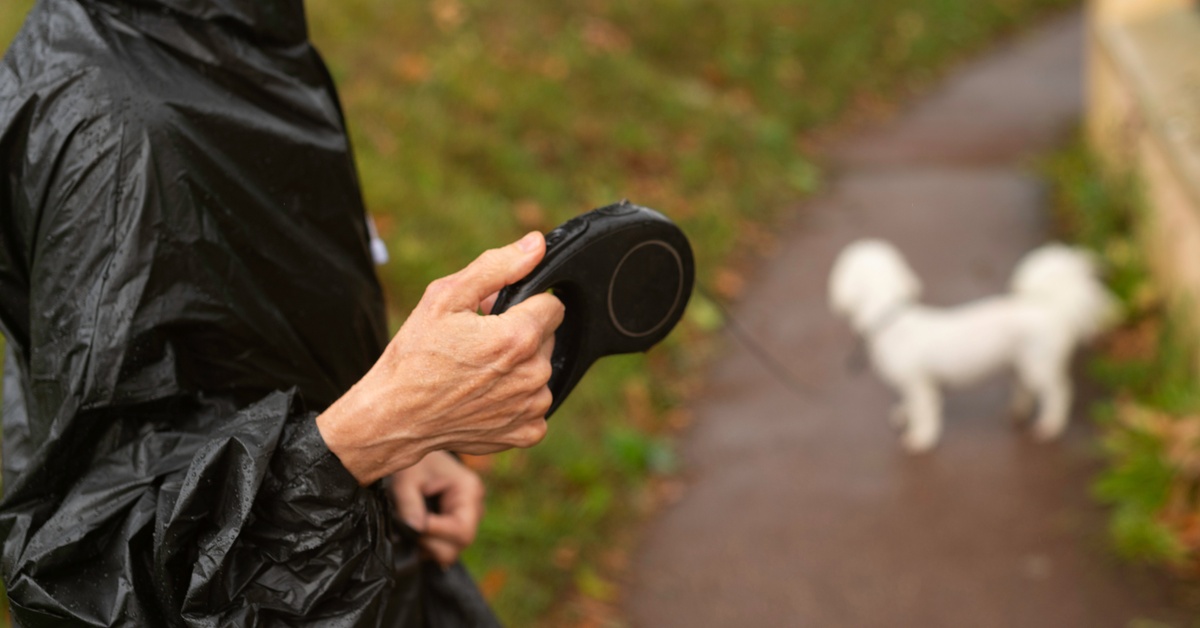
A long line is a lightweight leash ranging from 15 to 30 feet. It acts as a safety net while transitioning to outdoor work. Attach the long line to your dog’s harness and let them drag it while exploring a quiet area. Wait for a moment when they are not hyper-focused on a smell. Call out the cue cheerfully. If they turn and come, run backward a few steps to trigger their chase instinct. Reward heavily when they arrive.
If they ignore you, gently pick up the end of the long line. Give a tiny tug just to get their attention, then call again. Do not reel them in like a fish. The goal is for them to make the choice to turn around. The line simply prevents them from running away and rewarding themselves by ignoring you.
Add Distractions
Start with low-level distractions, like a family member walking by or a toy lying on the ground. Ask your helper to stand nearby while you practice. If your dog tries to go to the person, use the long line to prevent it, wait for them to look at you, and then call them.
Gradually work up to harder challenges. Practice near a park fence before going inside. Practice with a friend’s calm dog before trying it around a rowdy pack. If your dog fails to listen, you have likely pushed too hard, too fast. Go back to an easier step and build their confidence again.
Practice in the Real World
The final exam happens in the real world. A squirrel darting across the path or a skateboarder whizzing by tests your foundation. You must accept that your dog is not a robot. Even well-trained dogs have off days.
The Premack Principle
Use life rewards to strengthen your training. The Premack Principle states that a high-probability behavior (chasing a squirrel) reinforces a low-probability behavior (coming when called).
Ask your dog to come. When they do, reward them by releasing them to go sniff the bush or greet the friend they wanted to see. This teaches them that obedience is the key that unlocks the environment.
Emergency Recall
Establish a separate emergency cue for life-or-death situations. This word differs from your everyday recall. It implies “Drop everything and sprint to me immediately for the best reward in the universe.”
Pick a word you never use casually. Practice it sparingly, perhaps once a week, and always pair it with the highest value reward possible—like a whole can of wet food or a steak tip. Never use this cue unless you can guarantee the reward.
Maintain the Skill
Training never truly ends. If you stop rewarding your dog, the behavior will fade. Everyone in the household must follow the same rules. If one person allows the dog to ignore the command while another is strict, the dog will become confused. Sit down with your family and agree on the vocabulary and the rules. Consistent feedback helps your dog understand exactly what you expect from them.
When To Seek Professional Help
Sometimes, despite your best efforts, you hit a wall. Some breeds possess high prey drives that make recall exceptionally difficult. Others may have anxiety that prevents them from focusing outdoors. Recognizing when you need backup shows strength, not failure.
Mastering how to train your dog to come when called takes time and dedication. If you find yourself stuck or if your dog’s safety is at risk due to poor recall, it might be time to bring in the experts.
Innovative K9 Academy offers a comprehensive dog training bootcamp that immerses your dog in a structured learning environment. Our professionals lay the groundwork for essential skills, including dog obedience training and advanced off-leash control. Let our team build a reliable partnership between you and your dog, so you can enjoy more adventures together without worry.