
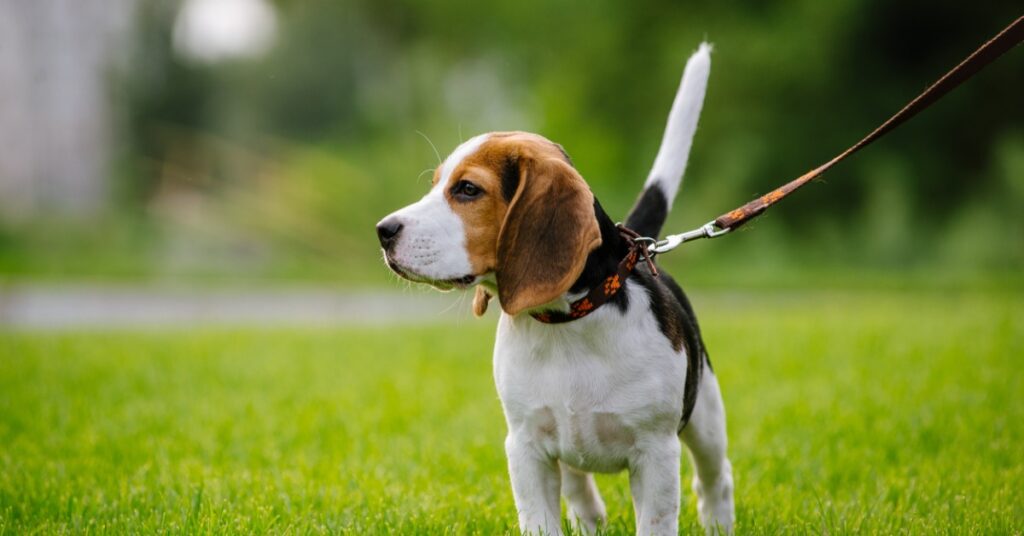
Puppies are small, furry animals that need a lot of guidance in their first year of life. Dog owners have the responsibility of teaching their dogs how to potty outside and avoid biting everything in sight.
Discipline isn’t about fear or intimidation. Instead, the guidelines include clear rules and rewarding good behaviors. For effective puppy training, dog owners should know how and when to discipline their furry friend.
Why Does Timing Shape a Puppy’s Behavior?
Puppies learn from what happens in the moment. They do something and immediately connect the next response to the action. The dog will disregard a delayed reaction.
Good timing makes discipline fair. The response should happen during the unwanted behavior or right after it. A puppy who jumps learns from feedback while their paws leave the floor.
Late discipline rarely teaches the lesson owners intend. Scolding after a potty accident in the hallway only shows the puppy an upset person near a mess. It’s likely that the dog won’t comprehend which behavior caused the reaction.
Quick feedback gives the puppy useful information. However, they need to know which rules they’re supposed to follow in the first place.
Teach the Rules Before Disciplining Your Dog
Puppies should learn the rule before owners expect the rule. A word like “sit” means nothing until someone has taught the movement. A rule about chewing means little until the puppy has practiced choosing approved items, like squeaky chew toys.
Each skill should have one simple meaning. “Sit” means the rear touches the floor. “Place” means the puppy goes to a chosen spot. “Come” means the puppy moves toward the person calling.
Similarly, the word “no” should hold power. If you’re praising when the dog chews on their toys, ensure that the word “no” follows after they chew on a shoe or piece of furniture.
Leash walking works the same way. A puppy should learn where to walk before the owner responds to pulling. Clear teaching prevents impractical expectations. After a puppy understands a command, fair discipline can begin.
Reward the Desired Actions
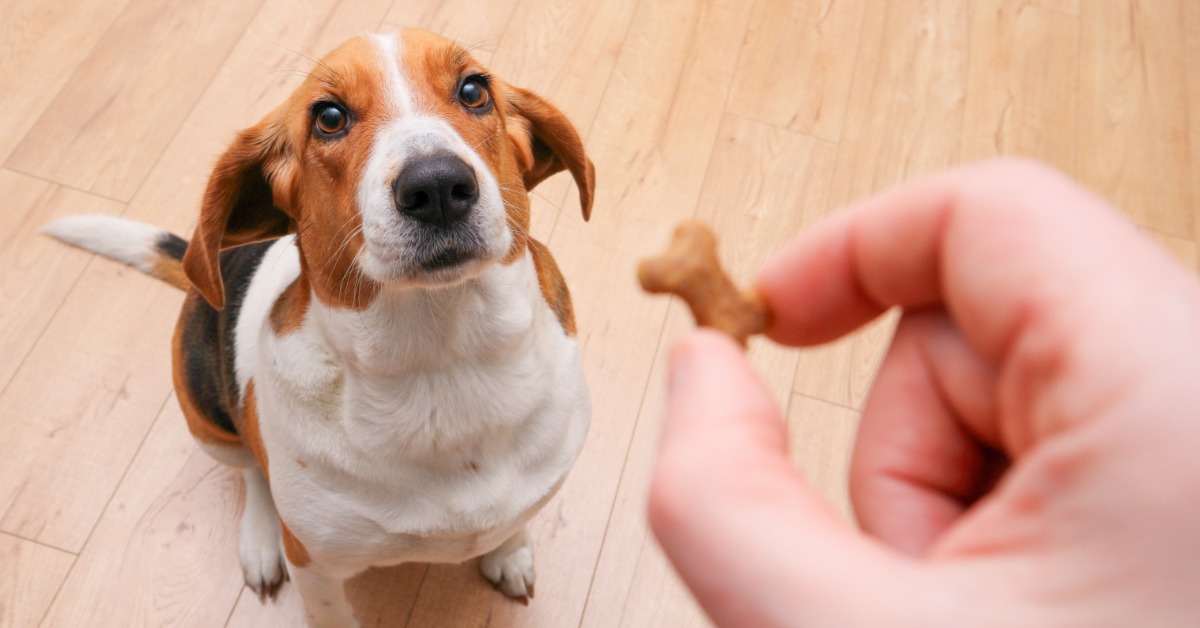
Puppies learn patterns from attention. That’s why rewards are incredibly effective. Food, toys, praise, and play all show the puppy which actions result in one of these rewards.
Praise calm paws on the floor before they attempt to jump on a guest. Hand the pup a treat when they settle down on their bed and sit quietly in the room.
Rewarding good choices builds a useful training rhythm. The puppy tries an action, and the owner responds right away. Over time, the puppy learns which choices connect to the reward.
This approach fits. Motivation teaches the puppy to enjoy learning. Fair limits come after the puppy understands the expectation.
Guide Unwanted Choices Fairly
Balanced training relies on trust. Your dog needs to know that a serious punishment won’t follow an undesired behavior. An extreme emotional reaction is likely to startle the pup instead of becoming a good teaching moment.
For example, yelling amps up a pup’s excitement. Chasing them turns the moment into a game. Keeping a calm composure will maintain focused, effective lessons.
A simple verbal marker works well when it’s reinforced consistently. “No” or “ah-ah” interrupts a puppy who grabs a sleeve. The next step should show the puppy what to do instead.
Redirection works well with young puppies. Trade a stolen sock for a chew toy. Move the puppy away from the table leg. Then, you can praise them once they follow the approved action.
Match Discipline to Each Behavior
Different puppy behaviors have distinct causes. Disciplining biting doesn’t warrant the same reaction as a potty accident in the house. Therefore, owners can’t respond to various behaviors using the same approach.
Biting
Puppy biting comes from playing and teething. Their natural excitement can make each nip and bite intense. It’s important that puppies learn that human skin is off limits.
Respond right when the teeth touch the skin. Offer a toy and praise the puppy once they chew on the toy. The lesson becomes clear because the puppy receives an approved outlet.
If play biting continues, end playtime. Pause the interaction briefly, so the dog learns that rough teeth will stop the fun.
Jumping
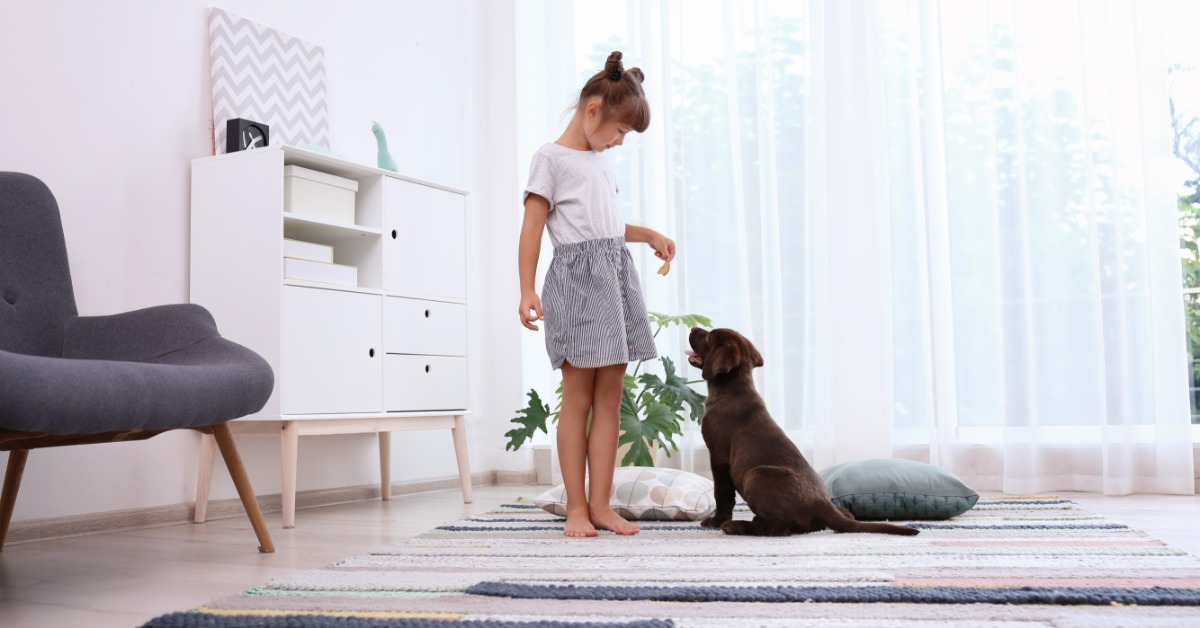
Many dogs learn that jumping earns people’s attention. Even if you push them away or talk to them while their paws are in the air, the acknowledgment teaches the puppy to jump over and over again.
Remove your attention the moment that their paws leave the floor. Once all four paws return to the floor, give a reward, like pets or treats.
This habit is easy to practice every day. Pretend to walk through the front door. Ensure they sit or stand off to the side without jumping before you reward them. The puppy learns to greet people with self-control.
Chewing
Chewing helps puppies explore their world and soothe sore gums. It becomes a problem once furniture, shoes, and cords are the targets. Discipline should point the puppy toward the right outlet.
Limit access to tempting items during the early days of training. Good habits like putting shoes away and blocking rooms that contain unsafe items will help.
Interrupt chewing as it happens. Replace the wrong item with an approved chew toy. Praise the puppy once they take the approved item.
Potty Accidents
Dogs thrive on a consistent routine. Potty training is difficult, but it’s manageable when you know how to address good and undesirable behaviors.
Punishment, like scolding, after a potty accident won’t resonate with your dog. If an accident occurs, take the dog on the leash and head outside.
However, the best way to potty train is to set up a strict bathroom schedule. Head outside first thing in the morning, after every meal, after playtime, and before bed. Praise the puppy the moment they relieve themselves outside, so they’re less likely to go potty in the house.
Train Your Puppy Fairly
Knowing how and when to discipline your puppy requires patience and structure. For owners who have been struggling with devising a good routine on their own, perhaps hiring a puppy trainer is necessary.
The trainers at Innovative K9 Academy learn about each dog’s actions and shape a practical plan. They turn negative behaviors into teachable moments. By the time puppies come home from the puppy training lessons, they’ll be ready to continue their good habits with the dog owners’ encouragement. Sign up for the puppy training course to build lasting obedience.