
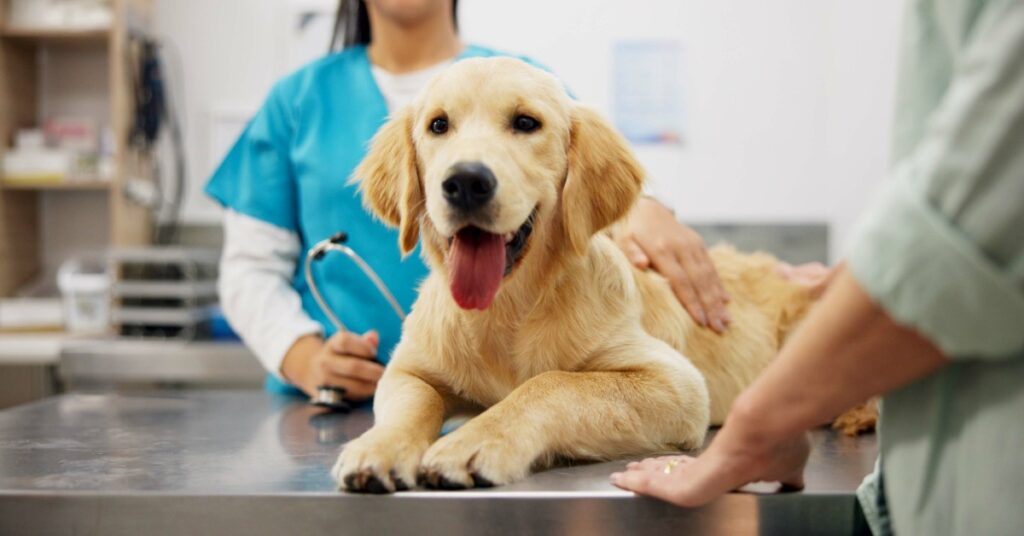
Dog owners feel torn when the time comes to schedule a spay or neuter procedure. They want to make the right choice, yet it’s hard to ignore the worry that comes with surgery and recovery.
Spaying prevents a female dog from becoming pregnant, while neutering stops a male dog from reproducing. It’s a real surgical procedure that involves anesthesia, an incision, and healing time. If you’re unsure if spaying or neutering is necessary for your dog, here’s everything you need to know about the process.
What Each Procedure Involves
A spay is surgery for a female dog that prevents pregnancy and stops heat cycles. It removes the risk of pyometra, a serious uterine infection that can become life-threatening in a short span of time. It may lower the chance of certain reproductive cancers, too, depending on timing.
A neuter is surgery for a male dog that removes the testicles and prevents reproduction. For male dogs, a neuter removes the risk of testicular disease and may reduce some hormone-driven habits that make life at home harder to manage.
Owners sometimes think the decision only affects breeding. In reality, it touches long-term health, daily routines, supervision, and household stability. The right timeline still depends on the dog, though the procedure holds clear value in many cases.
Timing Depends on the Dog
No single age or gender type determines when a dog is ready for one of these procedures. Consulting with your dog’s veterinarian is the best way to determine if now is the right time for your dog to be spayed or neutered.
Age Shapes the Timeline
Body development plays a major role in timing. Large dogs tend to mature over a longer span, so their joints and growth plates may need added consideration before surgery. Smaller dogs often reach physical maturity sooner, which may affect the recommendation a veterinarian gives.
That’s one reason timing should never rest on age alone. Owners need to ask whether the dog has finished growing, whether the breed carries orthopedic concerns, and whether the dog’s overall health supports surgery at that stage.
Gender Affects the Decision
In female dogs, an early spay will prevent future heat cycles, pregnancy, and complications tied to the uterus and ovaries. Those factors make timing an important part of the conversation, especially for owners trying to weigh long-term health benefits against the dog’s stage of development.
Male dogs bring a different set of questions. A neuter may affect behaviors linked to reproductive hormones, such as roaming, urine marking, mounting, or increased distraction around female dogs in heat.
How To Prepare Your Dog for Surgery
Preparation starts with the veterinary clinic’s instructions. Owners need to follow those directions closely because presurgical steps reduce avoidable problems on procedure day. Most clinics give a fasting schedule and medication guidance.
At home, keep the night before surgery calm. Feed dinner prior to the fasting time period. Drinking water is typically okay, but try to remove their bowl a few hours before the procedure.
Then, set out all the items you’ll need to get out of the house quickly. From paperwork to your dog’s leash, having this setup ready to go will prevent a rushed, stressful morning.
What To Expect After Surgery
Many dogs come home sleepy, unsteady, or quiet after anesthesia. Some whine for a few hours, while others pace because they feel uncomfortable. Each of these reactions is common during the first night.
Their appetite may dip at first. This is normal as the anesthesia and medications wear off. Give small amounts of food at a time instead of setting down a full bowl. Ensure there’s plenty of water available, too.
The vet will most likely send your dog home with pain relievers. Be sure to follow the veterinarian’s recommended medication schedule, so they feel comfortable during recovery.
Care for the Incision
Owners should check the surgical site once or twice each day. Mild redness, slight swelling, or light bruising may appear early. Those signs are common during the first stretch of healing.
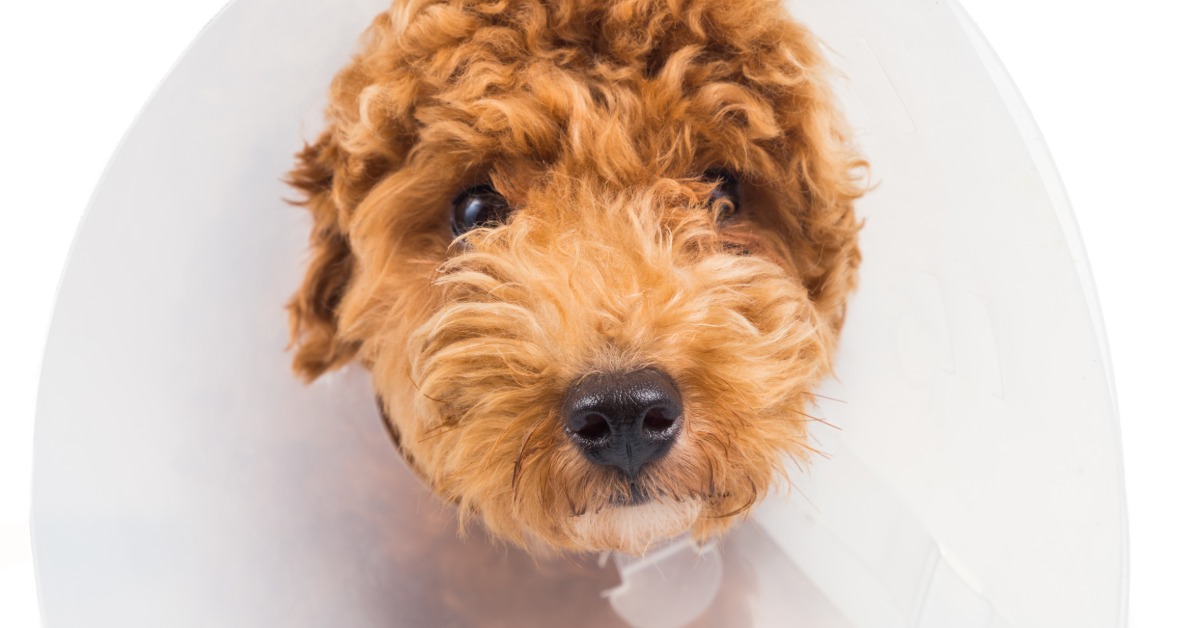
The recovery collar or surgical suit needs to stay on exactly as directed. Dogs naturally lick sore areas, but even a short period of licking may irritate the incision enough to delay healing.
What should raise concern is bleeding, thick discharge, a foul odor, skin edges pulling apart, or swelling that grows instead of settling down. Any of these changes warrants a call to the clinic.
Establish a Steady Recovery Routine
Recovery tends to go more smoothly when the day still feels familiar. Dogs do well with structure, so it helps to keep meals, potty breaks, rest periods, and bedtime close to the usual schedule. A steady routine lowers stress during a time when the dog may already feel sore, tired, or unsettled from anesthesia. The goal is to create a calm day that doesn’t steer away from their everyday habits too much.
Limit Activity To Protect Healing
Rest is a key part of recovery. Even if a dog seems alert and eager to move around, the body needs time to heal beneath the surface. Running, jumping, rough play, or quick turns strain the incision site and increase the risk of irritation or reopening the wound.
Owners need to stay firm during this stage. Short leash trips outside for bathroom breaks are part of the routine, but limit exercise until the veterinarian clears basic activity. Giving the dog space from roughhousing, busy foot traffic, and household commotion helps protect physical healing and keeps the recovery period calm.
Incorporate Mental Stimulation
Mental stimulation is beneficial when your dog can’t exercise and play like their typical habits. Food puzzles and calm obedience work will settle the dog without straining the body.
The goal is not to tire the dog out through motion; keeping their minds occupied while the body heals is the best course of action. Short sessions involving these activities will support dog behavior training as you reward them for remaining calm and focused during recovery.
Make Recovery Simple
Breaking down the spaying and neutering process will increase your confidence about scheduling this procedure for your dog. Talking with your veterinarian is extremely important. Let them guide you through every step, and prepare for how you’ll care for your furry friend afterward. Your pup will return to their typical lively energy before you know it.