
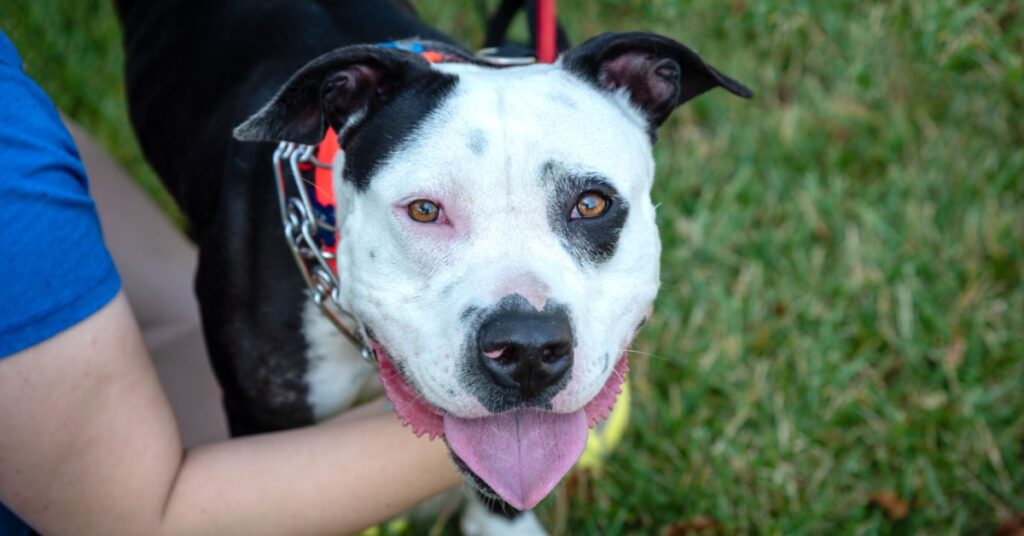
Prong collars are easy to misunderstand. A prong collar is a training tool made with blunt links that apply brief pressure around the dog’s neck. Its reputation suffers from a poor fit or dog owners using it them roughly. Debunking the common myths about prong collars will help dog owners see the value of this dog training tool.
1. Prong Collars Hurt Dogs
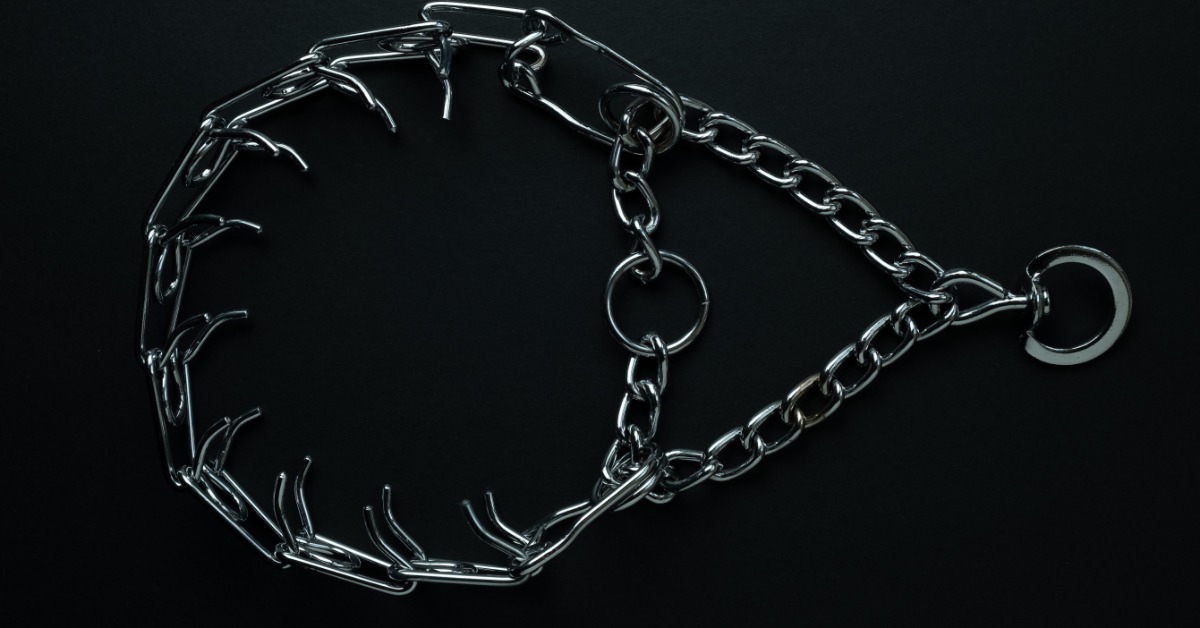
The links appear intense, so many owners assume the tool works by digging into the dog’s neck. Proper prong collar use relies on pressure and release, not pain.
The contact points are blunt. When fitted correctly, the collar spreads pressure around the neck instead of concentrating it in one harsh spot. A trainer uses a brief leash cue, then releases pressure the moment the dog responds.
The release carries the lesson. The dog learns which choice ended the pressure and which behavior to repeat in the future.
2. Prong Collars Make Dogs Fearful
Fear comes from confusion, rough timing, or corrections given before a dog understands the lesson. The tool itself does not create fear when a trained handler uses it with fairness.
Good training begins with teaching. The dog learns commands through rewards, engagement, and repetition before accountability enters the session. Once the dog understands the cue, the prong collar supports the follow-through.
A calm trainer watches the dog’s body language throughout the lesson. Tight posture, avoidance, and shutting down mean the session needs adjusting. The goal is for the dog to understand the trainer instead of worrying about making mistakes.
3. Only Aggressive Dogs Use Prong Collars
Many owners hear about prong collars during conversations about reactivity or aggression, so they connect the tool with severe behavior problems. That belief leaves out many everyday training situations.
A prong collar may help a strong dog who pulls through leash pressure. It may support a dog who lunges toward distractions out of excitement. In other cases, the collar aids in teaching dogs how to take a structured walk when they tend to ignore standard guidance.
The tool does not label a dog as dangerous. It gives the handler a precise way to communicate during moments when leash manners are difficult to teach.
4. Prong Collars Punish Every Mistake
A prong collar should never become a tool used to punish every small error. Training should teach the dog what to do before any correction happens.
A fair correction has a clear purpose. It happens after the dog understands the command and chooses a different behavior. The timing must make sense to the dog, or else the lesson becomes unclear.
This is why professional handling matters. Skilled trainers do not yank, nag, or keep pressure on the leash. They use short, meaningful cues that guide the dog back to the behavior already taught.
5. Prong Collars Replace Rewards
Positive reinforcement using treats and playtime is an effective reward for dogs. Experienced dog trainers know that using the prong collar alone won’t result in the desired behaviors. Instead, trainers use a balanced approach with positive reinforcement to motivate and engage dogs.
Rewards show the dog which behavior earns success. The dog learns with enthusiasm first, then gains structure through fair follow-through. These elements work together because they answer different parts of the training process.
6. Prong Collars Fit Like Regular Collars
Fit changes the entire experience. Poor placement causes unclear leash pressure and poor communication.
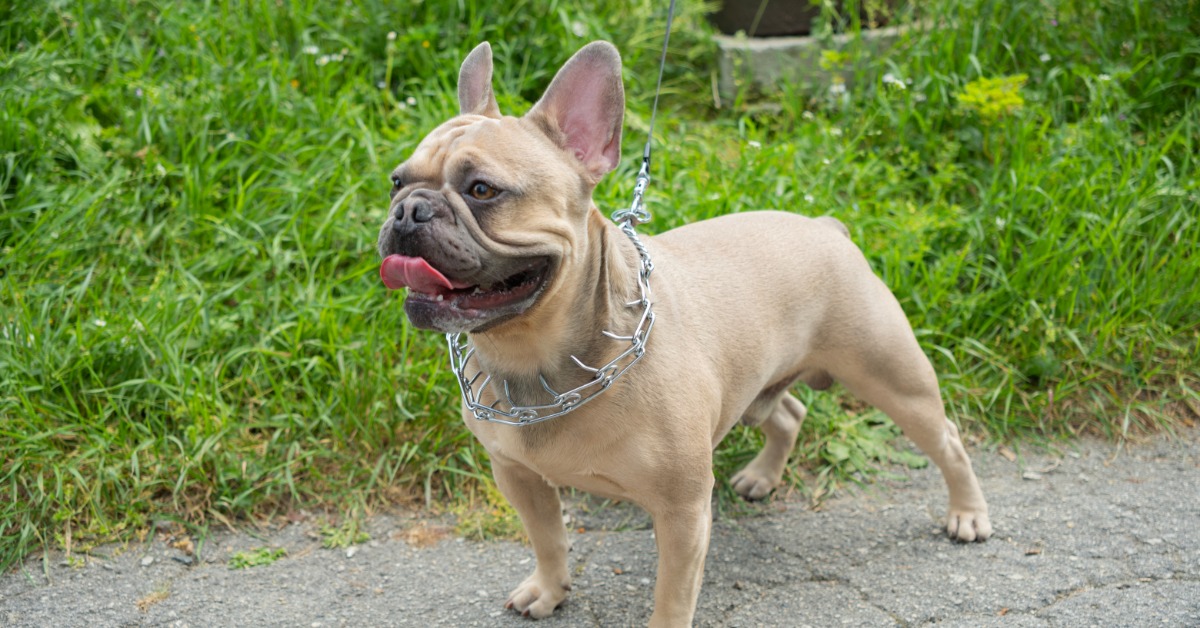
Owners and trainers shouldn’t place prong collars low on the neck like a flat collar. Instead, the collar should sit high on the neck and close behind the ears. The snug fit will prevent the collar from sliding down and the handler from pulling more than necessary.
7. Dogs Wear Prong Collars All Day
A prong collar belongs in supervised training sessions, not everyday activities. The collar should never remain on during crate time, rough play, rest periods, or unsupervised time. Those moments have nothing to do with training, so the tool has no purpose.
Dogs should wear it during structured work, then have it removed after the session ends. When the collar goes on, they’ll enter a focused state that helps them learn from the handler.
8. Prong Collars Fix Pulling Instantly
Using a prong collar is a helpful tool, but lasting leash manners require consistent training from a professional. A dog must learn pace, position, attention, and how to respond when the leash communicates. The handler must reward good choices, guide the dog through distractions, and avoid constant tension.
Repetition is a concept that skilled dog trainers prioritize. With continuous teaching, the prong collar becomes a tool to prevent dogs from pulling on leashing during walks.
9. Dogs Suffer Injuries When Wearing Prong Collars
An inexperienced dog owner may place the collar in the incorrect position or continuously pull on the leash. Technique is the key to keeping dogs safe while wearing a prong collar.
A professional applies brief pressure, then releases. The handler doesn’t drag the dog or hold steady tension during the walk. This ensures that the dog feels comfortable the entire time the collar sits on their neck.
10. Prong Collars Are a Last Resort
Leash pulling is a common issue that dog owners struggle to combat. After months of stressful, strenuous walks, they might turn to a prong collar. However, this tool doesn’t have to mean that all of the previous strategies were ineffective.
The collar offers many dogs with a clearer leash communication than a dog who powers through soft pressure or loses focus around distractions. When paired with teaching, rewards, calm handling, and consistent expectations, dogs will master skills with ease.
The Truth About Prong Collars
The biggest issue with the myths surrounding prong collars is not the collar itself. The concerns come from poor fit and inappropriate use. When used properly, the collar becomes communication rather than intimidation.
The dog trainers at Innovative K9 Academy use prong collars as a resource to build trust and teach clear cues. Alongside positive reinforcement, we teach dogs how to walk on a leash without reacting to distractions or pulling consistently. Find out how Innovative K9 Academy can help your dog learn new skills and maintain them.