
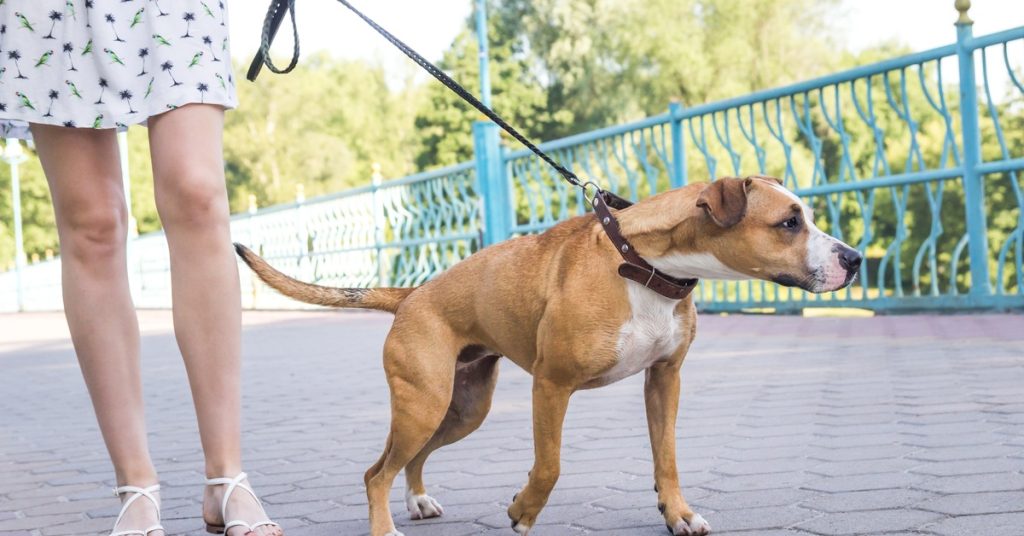
A dog who barks, lunges, growls, or snaps during walks leaves owners stressed and embarrassed. Their dog behaves well at home and away from strangers, but they don’t know how to help.
In many homes, people use the words reactive and aggressive as if they mean the same thing. However, there are several differences between reactive and aggressive dog behaviors. Using the appropriate label helps dog owners provide support and choose the right training plan.
Reactive Dogs
A reactive dog has a severe response to a trigger. The trigger might be another dog, a stranger, a bicycle, a fast-moving child, or a sound. The reaction looks intense, but intensity alone doesn’t equate to the dog wanting to harm someone.
A dog notices a trigger, the body stiffens, and the explosion follows within seconds. Barking, spinning, whining, staring, lunging, and pulling hard on the leash are common actions.
The dog simply feels overwhelmed. The root issue usually comes from arousal, fear, frustration, stress, or poor impulse control. Some get frustrated because they want to greet dogs or people and can’t, and others panic when they see a trigger and can’t stay calm.
Aggressive Dogs
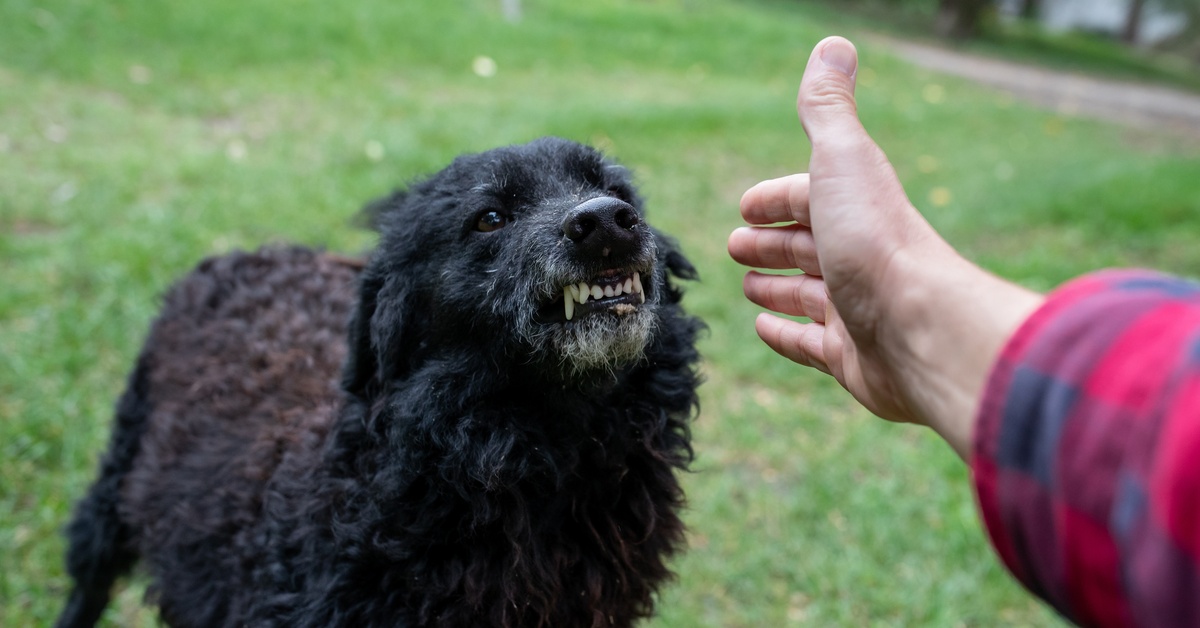
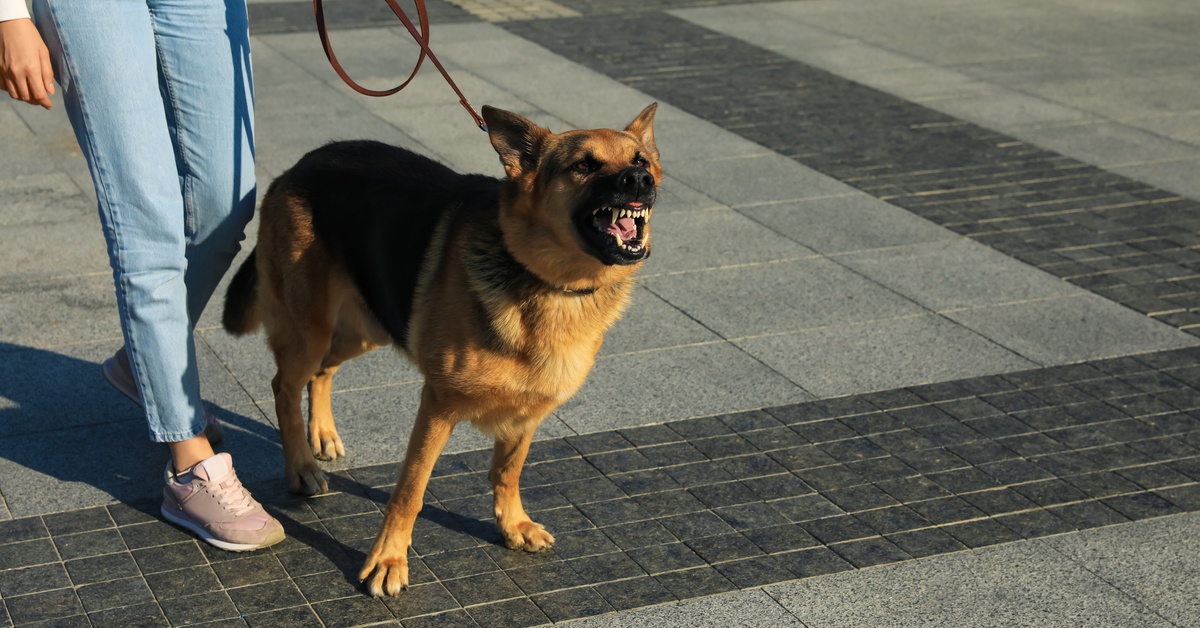
Aggression involves actions meant to threaten, control, or cause harm. Hard staring, snarling, snapping, biting, and repeated efforts to make contact are typical aggressive behaviors. An aggressive dog uses those behaviors to drive a person, dog, or animal away or to defend something valuable.
No two dogs are the same, so their actions will look different. A dog might be quiet, hold still, and bite with very little noise. Another will erupt with a dramatic display. That’s one reason owners should never judge risk by volume alone. A silent dog with a hard posture may present a greater danger than a barking dog who wants a little space.
Aggression develops for numerous reasons. Perhaps they want to protect their resources, guard their territory, or avoid conflict. In many cases, aggressive dogs simply have a lack of socialization. The problem will only worsen if it goes untreated.
The Biggest Difference
Motivation is the root of aggressive and reactive actions. A reactive dog overreacts to a trigger, but an aggressive dog seeks to threaten or injure because they desire to control the situation. These categories can overlap. However, they aren’t interchangeable.
Think of reactivity as an emotional outburst. A reactive dog may bark and lunge because the world feels too intense.
On the flip side, picture aggression as behavior with a harmful purpose. An aggressive dog may use similar actions to a reactive dog, yet the goal shifts toward intimidation, defense, or attack.
The Warning Signs Owners Should Look For
Patterns over time tell a clearer story than a single rough moment. Perhaps your dog guards their food from you and other dogs every day. Maybe they charge at visitors or block doorways.
It’s important to observe your dog’s body language. Do they pace, bark, go still, or growl? When are they exhibiting these behaviors? Paying attention to when, why, and how often your dog exhibits these behaviors will let you know that there’s an underlying issue that needs addressing.
Why Dogs Develop These Behaviors
Your furry friend won’t wake up one day and decide to cause trouble. Aggressiveness and reactivity come from emotions, previous learning experiences, and genetics. A dog who has been frightened by people or dogs may expect trouble and react first. One who practices barking and lunging every day will get better at this skill. Another pup in pain may guard space or snap when a person touches them.
There’s no need to blame yourself for these issues. Looking forward is the best solution. If you wait to sign up for obedience training, reactivity or aggression will only worsen. Not to mention, repeated outbursts strengthen the habit, raise stress, and erode trust between the dog and owner.
Professional evaluation becomes especially important when behavior changes suddenly, the dog has made contact with teeth, or the triggers expand. In those cases, owners need a structured plan instead of trial and error.
What Training Should Look Like
Since aggressive and reactive behaviors are different, they require separate approaches. Yelling, flooding, or forcing a dog into situations isn’t an ideal training approach. Instead of mitigating the behavior, you would intensify it. Effective work starts with a clear assessment of triggers, body language, daily routine, home rules, and handling skills.
Training for Reactive Dogs
A calm environment is necessary to make the dog feel at ease. Decreasing arousal, increasing focus, and changing emotional responses around triggers are the priorities for reactive dog training.
The goal isn’t to make the dog grow to love every trigger. Instead, the dog should feel clear-headed and responsive even when their triggers are present.
Training for Aggressive Dogs
Aggressive dog training must start with safety, structure, and steady guidance in every interaction. The dog should learn how to be responsive as pressure builds, and the owner must be capable of spotting rising tension.
Progress comes from slowing each situation down, setting clear expectations, and teaching the dog how to handle stress without falling back on threatening behavior. At the same time, the owner will stay composed, so the dog no longer repeats the same dangerous response.
The strongest behavior programs reach far beyond a single command or training exercise. They change how the dog responds to daily pressure, how it handles difficult situations, and how it makes choices in the moment. As that foundation grows stronger, you’ll be ready to guide your pup through everyday life. Living a life around triggers in public or at home will be a concern of the past.
Get the Support Your Dog Needs
Owners may feel out of control when they can’t manage basic walks or their dog frightens family members. Generic obedience training alone won’t help aggressive or reactive dogs improve. Pets with serious behavior issues need training tailored to the reason behind the behavior.
Innovative K9 Academy works with dogs dealing with reactivity, aggression, anxiety, poor social behavior, and leash issues through structured behavior modification and owner guidance. Our team will strengthen their confidence, help them socialize, and make them feel at ease around their triggers.
Once the training program concludes, we’ll teach you all about how to keep up these good behaviors at home. Reach out to Innovative K9 Academy to sign up for a dog training boot camp that will make your dog well-behaved.